Gyeongju in Winter: Itinerary, Night Sights & Tips
Plan Gyeongju in winter with a short-day itinerary, night-lit sights, hours, fees and cold-weather tips, plus what to skip.
On this page
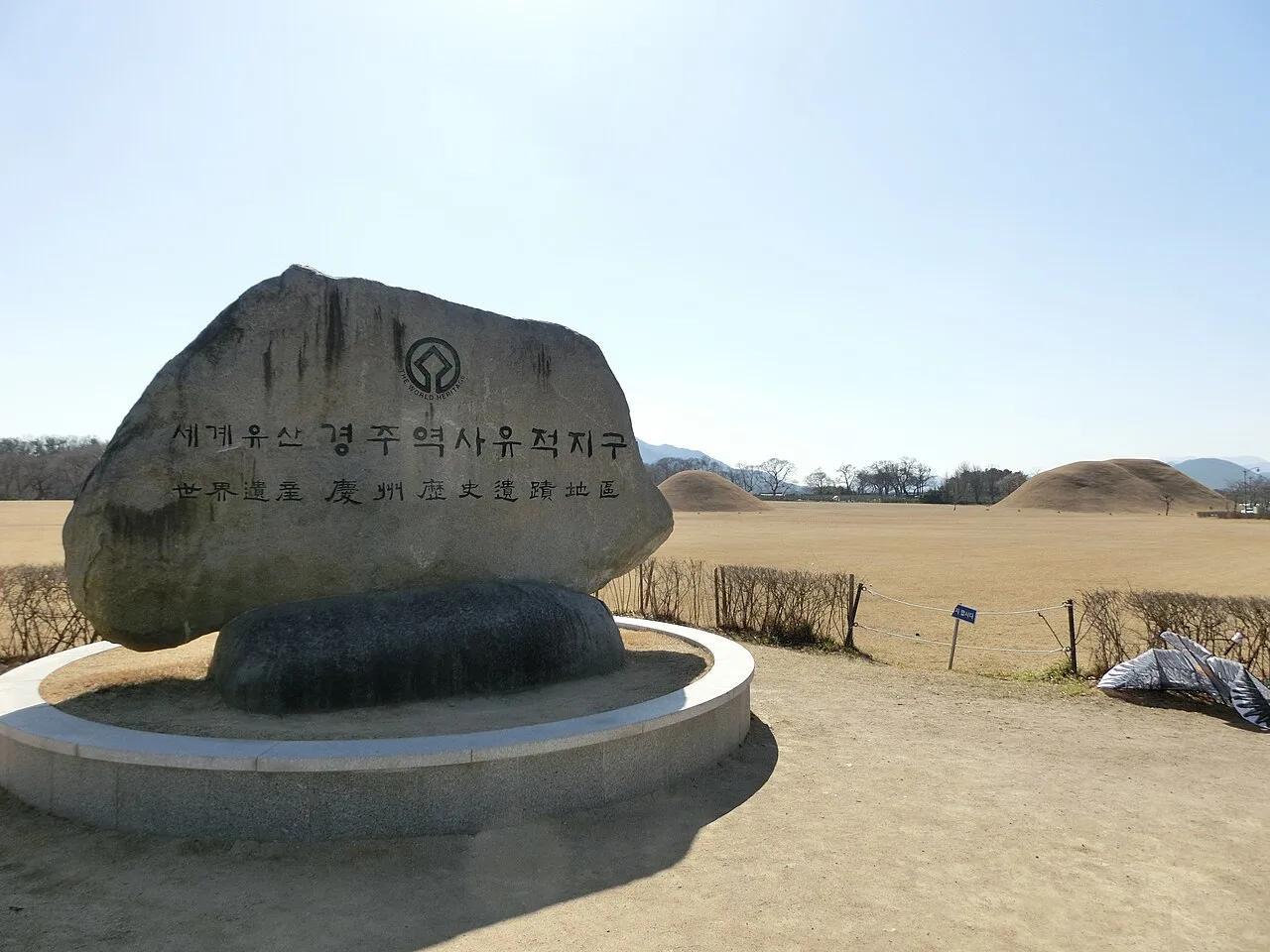
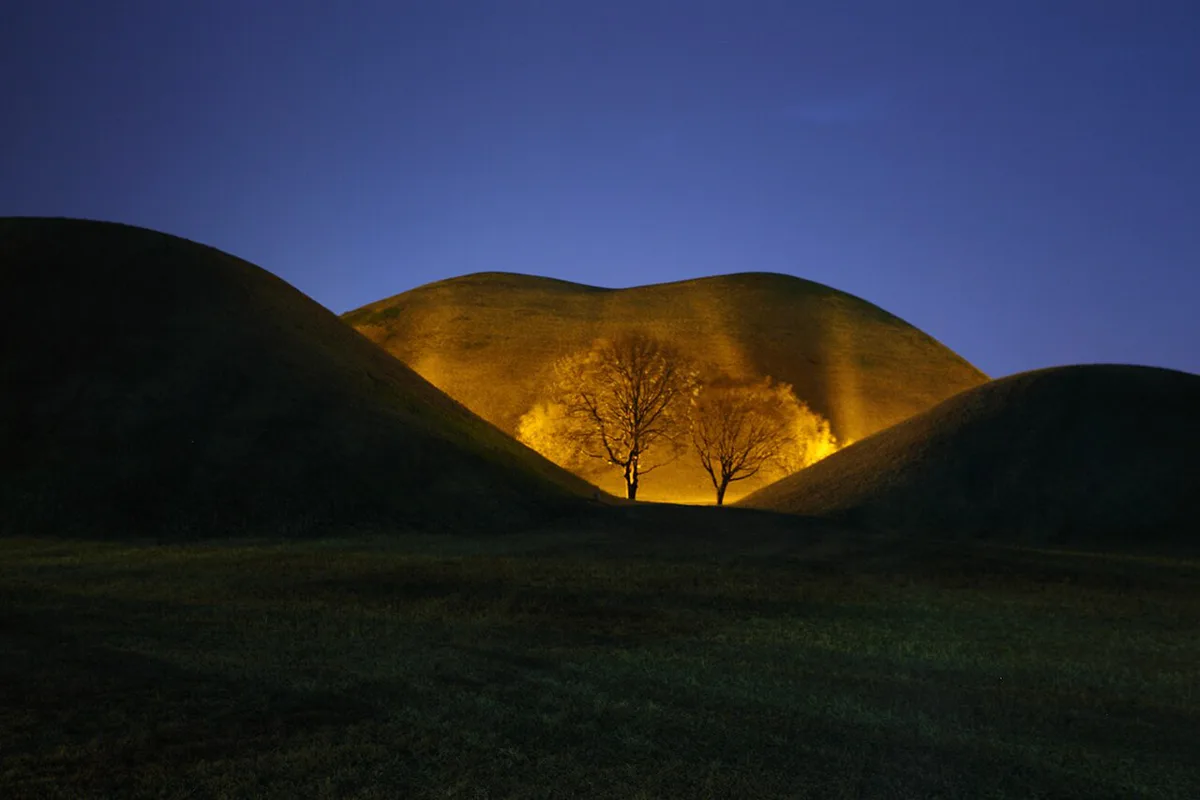
Last updated November 2026. Gyeongju in winter means thin crowds at Bulguksa and Daereungwon, early sunsets and lit-up tombs and ponds after dark. It suits travelers who accept cold, wind and short daylight in exchange for quiet heritage sites, and anyone weighing seasons can compare it with our Best Time to Visit Gyeongju: Month-by-Month Guide guide.
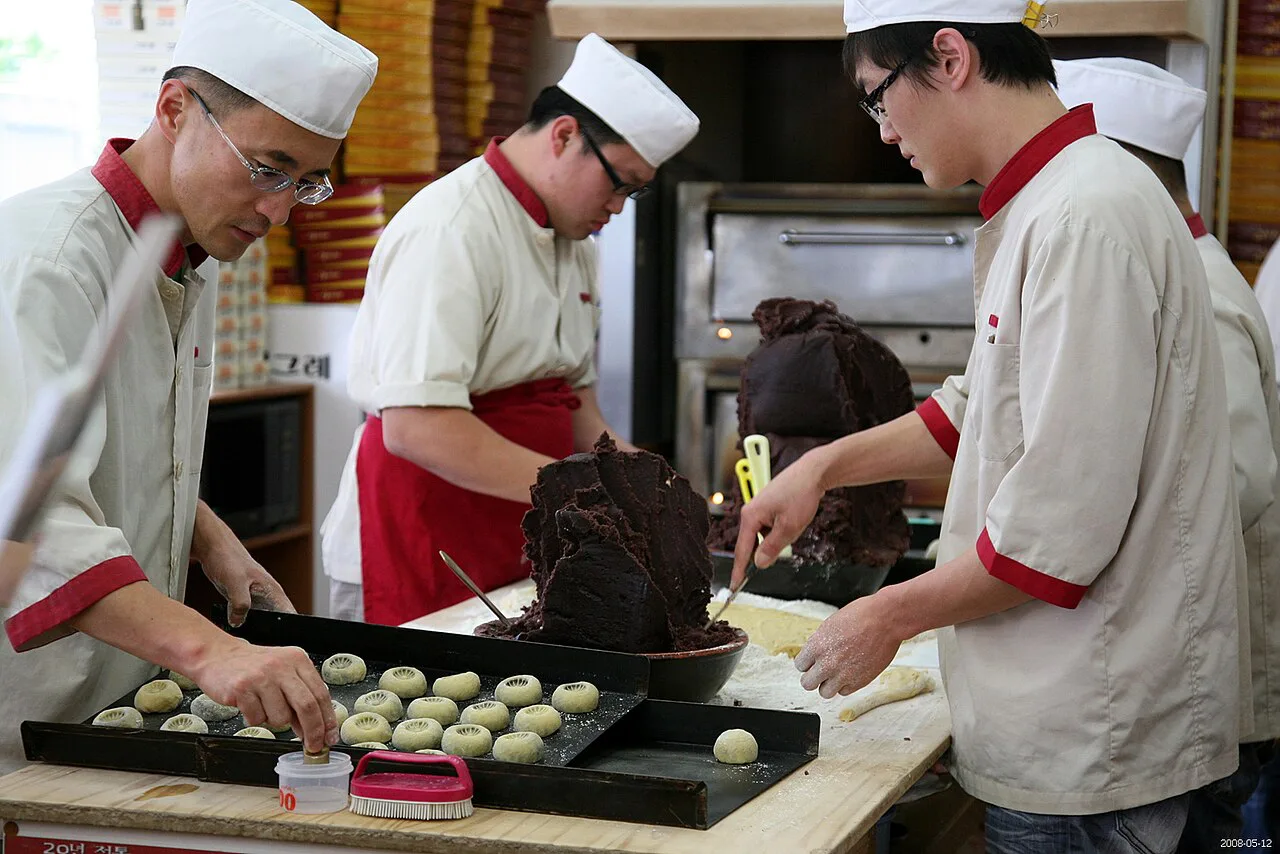
Featured image: yeowatzup, CC BY 2.0, via Wikimedia Commons.
Is Gyeongju in Winter Worth Visiting?
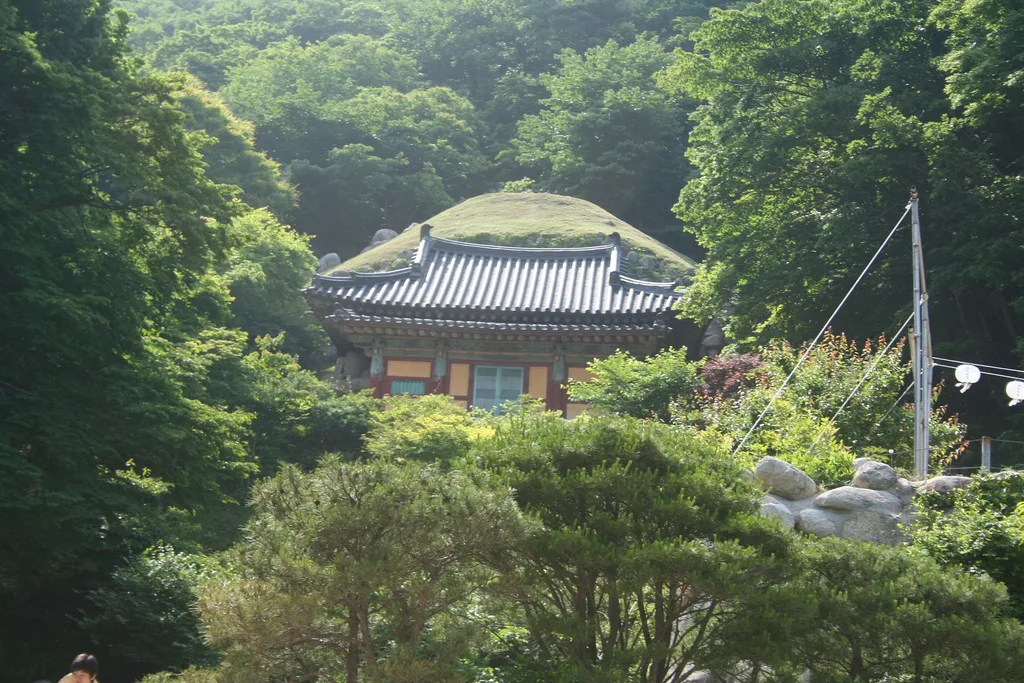
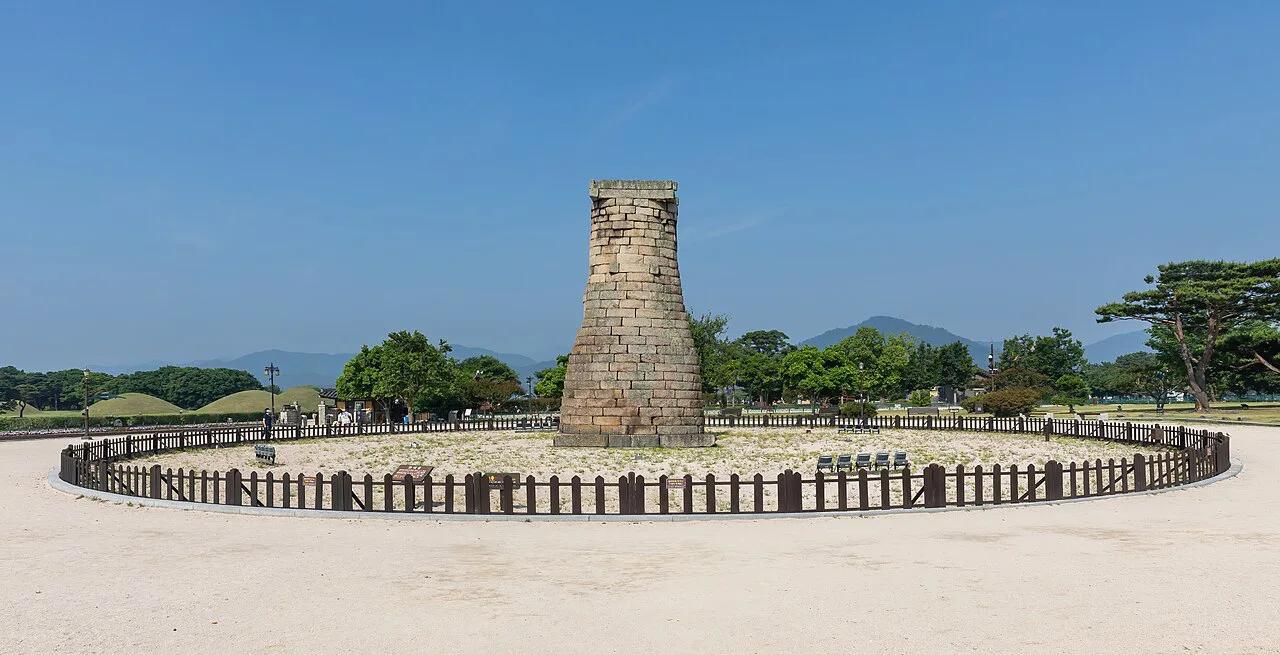
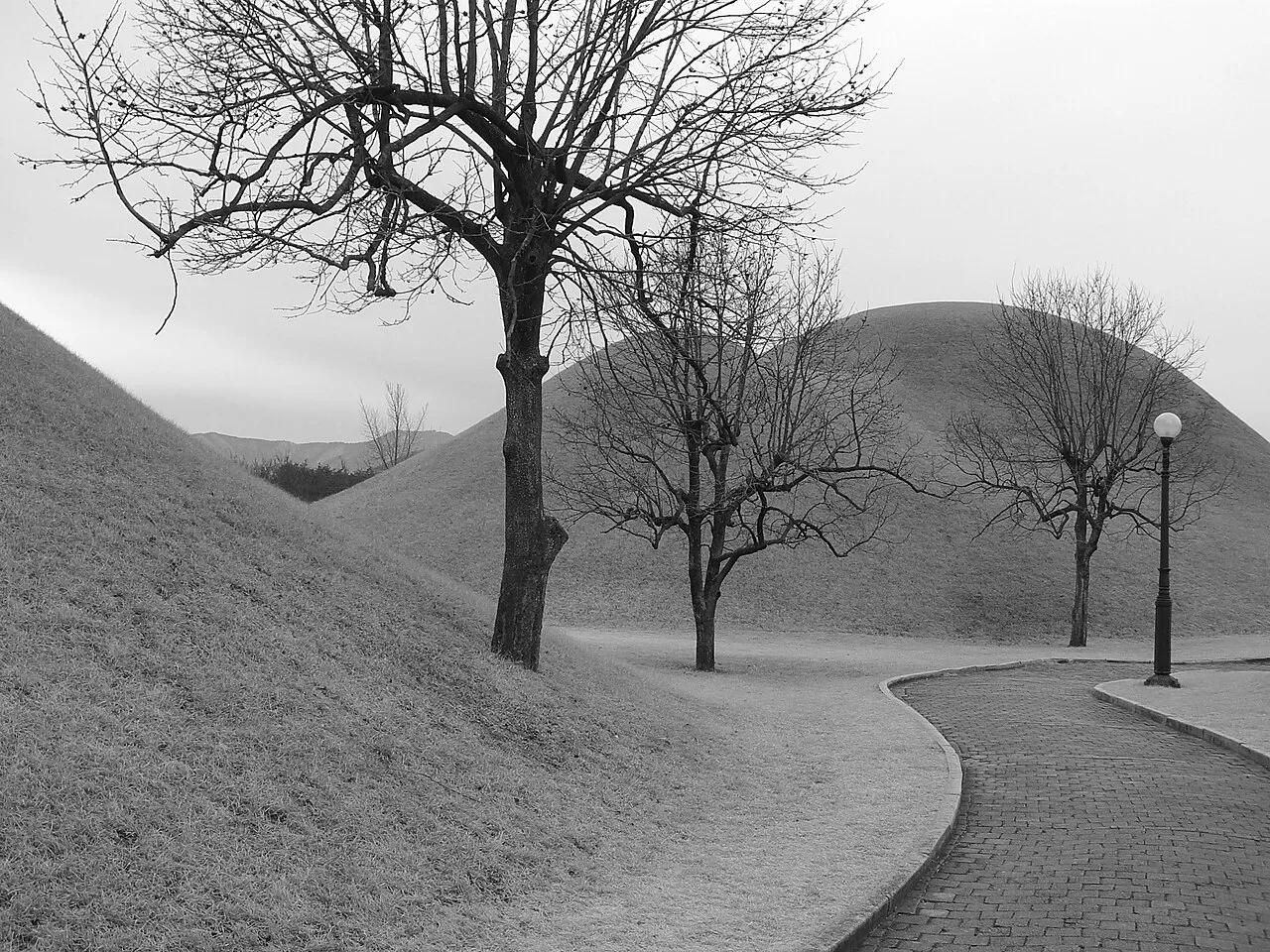
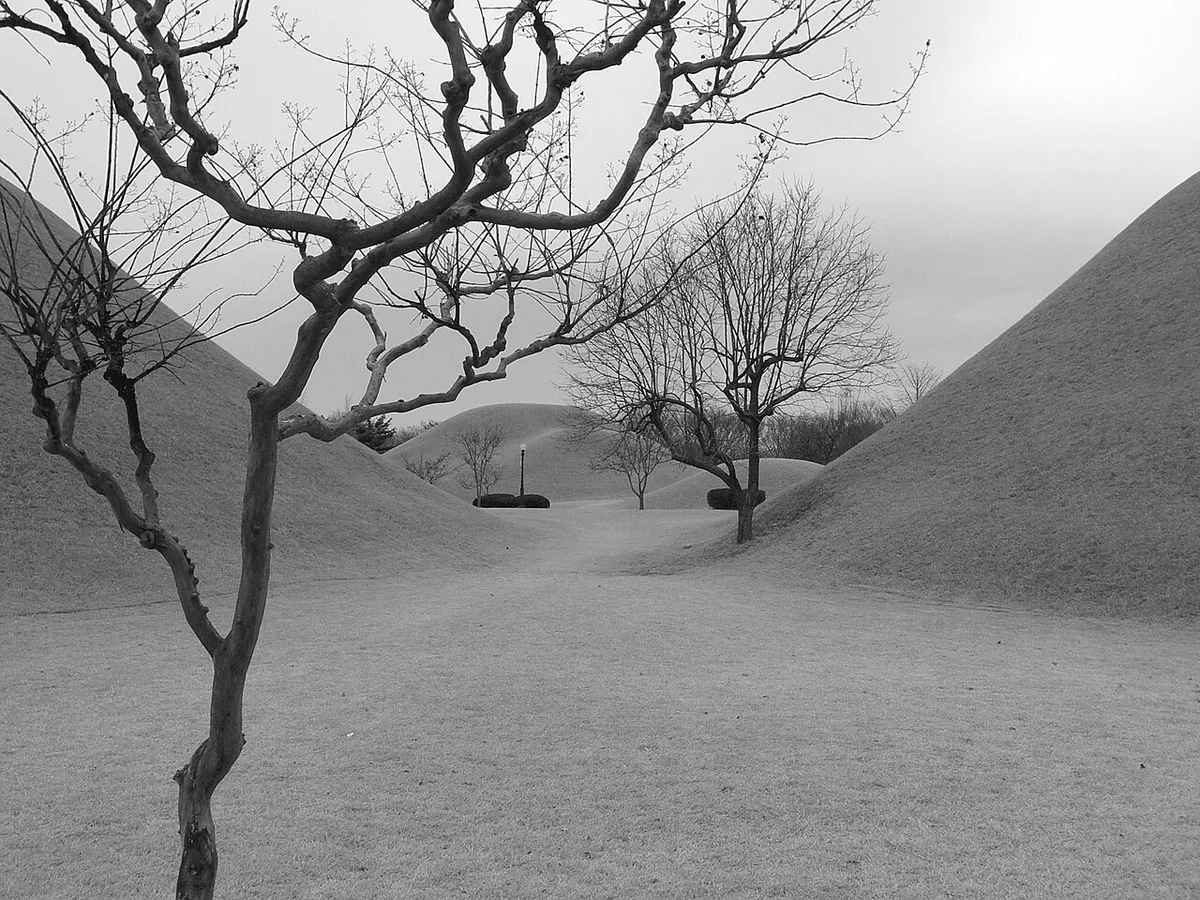
Yes, if you plan around daylight. Winter trims the tour-group traffic at Bulguksa, Seokguram Grotto, Daereungwon and Cheomseongdae. On rare snowy days the tumuli carry a light dusting, which is the best case for photographers. Cold is the cost. Daytime highs sit around 5°C (41°F), and nights drop to roughly -4°C (25°F). Wind makes open tomb parks and hill paths feel colder than the numbers. Skip winter if you hate cold or want long walks between sites. Choose another season if blossoms matter, and see our cherry blossom guide for spring.
Winter in Gyeongju at a Glance
Use this table to compare winter with the shoulder seasons. Monthly detail lives in our Gyeongju weather guide, and the Korea Meteorological Administration publishes current forecasts. Rough winter figures here are typical ranges, not forecasts: highs near 5°C (41°F), lows near -4°C (25°F), and snow on only a few days.
| Season | Weather feel | Crowds | Best for | Daylight use |
|---|---|---|---|---|
| Winter | Cold and windy, around 0°C (32°F) at dusk | Thin at most sites | Night lighting, quiet temples | Sightsee before about 5:00 PM |
| Autumn | Cool and dry | Heavier at temples | Foliage walks | Longer outdoor days |
| Spring | Mild | Heaviest around blossom time | Cherry blossoms at Bomun Lake | Full days outdoors |
Best Things to Do in Gyeongju in Winter
Sort sights by weather fit. Save daylight for the outdoor, transport-dependent sites and the evening for lit ones. Bulguksa and Seokguram Grotto come first in the day, because Seokguram's last entry is 5:00 PM from November to January. Access to the grounds may be restricted when heavy snow warnings are in effect. Namsan is open 6:00 AM to 6:00 PM, so hike it in daylight as well. After dark, Donggung Palace and Wolji Pond are open 9:00 AM to 10:00 PM. Woljeonggyo Bridge also stays open until 10:00 PM for walking across. Daereungwon's main gate admits visitors until 9:30 PM. Bunhwangsa closes at 5:00 PM in the winter season, so it also belongs in the daylight block.
- Daylight: Bulguksa, Seokguram Grotto, Namsan, Bunhwangsa
- Evening: Donggung Palace and Wolji Pond, Woljeonggyo Bridge, Daereungwon
- Warm break: cafes and hanok stays around Gyochon and Hwangnidan-gil
- Skip in winter: weather-dependent outdoor extras such as Bomun Lake, whose blossom season is April
How to Plan Your Time
One day works if you stay in the center. Walk Daereungwon and Cheomseongdae in the afternoon, then reach Donggung Palace by dusk. Donggung is about 20 minutes on foot from Daereungwon, Cheomseongdae and Gyerim Forest. Two days let you add Bulguksa and Seokguram in daylight, plus a relaxed evening. An overnight stay beats a day trip because the best sights are lit after dark. Compare this with our Gyeongju in Autumn: Foliage, Temples and Trip Planning plan if you want longer light.
| Time you have | Do this |
|---|---|
| 1 day | Daereungwon and Cheomseongdae by day, Donggung Palace and Wolji Pond at dusk |
| 2 days | Day 1 as above; day 2 Bulguksa, then Seokguram, finishing before 5:00 PM |
| Overnight base | Stay in the center and walk to Woljeonggyo Bridge after dinner |
Costs, Tickets, and Opening Hours
Prices and hours checked November 2026. Entry fees do not change with the season. Daereungwon costs ₩3,000 for adults, ₩2,000 for teenagers and ₩1,000 for children. Bulguksa and Seokguram have been free since May 4, 2023. Parking at both costs ₩2,000 for cars and ₩4,000 for buses. Hwangnidan-gil, Namsan and Bunhwangsa are free. Bulguksa opens at 9:00 AM and admission closes at 5:00 PM from November to January. Winter hours are the real constraint, because the daylight sites close earlier than the lit ones.
| Site | Admission | Winter hours |
|---|---|---|
| Daereungwon | ₩3,000 adult | 9:00 AM to 10:00 PM, last entry 9:30 PM |
| Bulguksa | Free | 9:00 AM to 5:00 PM last entry |
| Seokguram Grotto | Free | 9:00 AM to 5:00 PM last entry |
| Donggung Palace | See official page | 9:00 AM to 10:00 PM |
| Woljeonggyo Bridge | Free | 9:00 AM to 10:00 PM |
| Namsan | Free | 6:00 AM to 6:00 PM |
Getting Around and Where to Stay in Winter
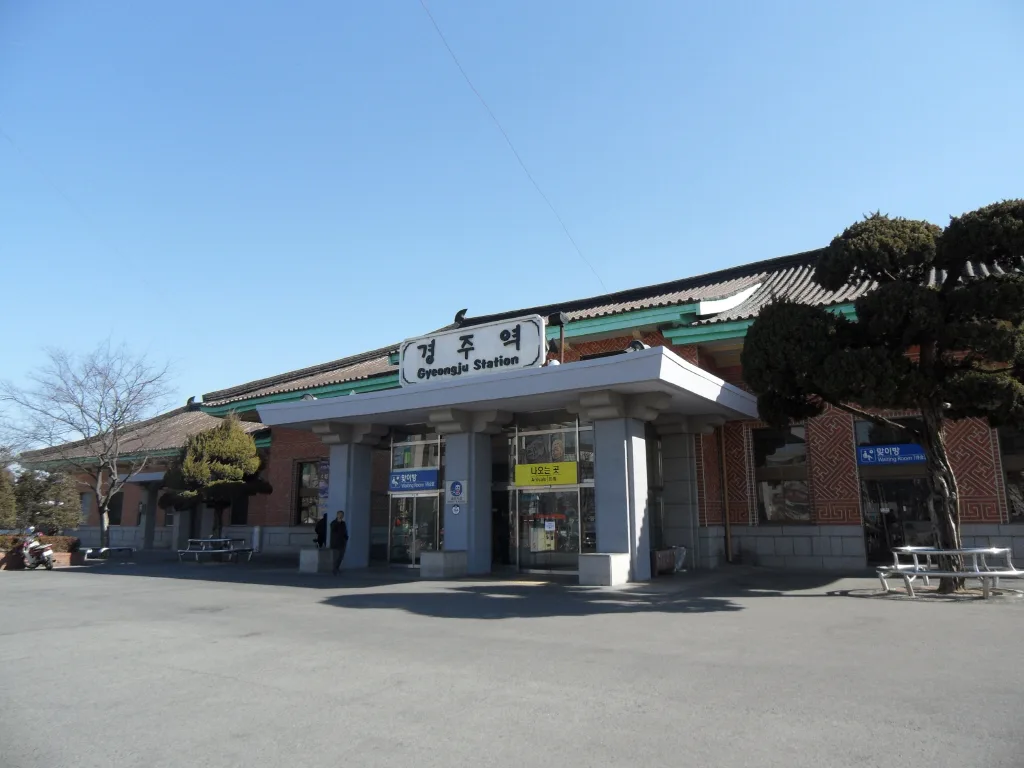
City buses No. 10 and 11 run frequently from Gyeongju Station and the bus terminal to Bulguksa. Waiting at a stop in the wind is the cold part, so pick a time before 4:00 PM. Drivers take National Route 7 toward Ulsan and follow Local Road 902 for 2.5 km to the parking lot. For current KTX and bus fares and times, use the Visit Korea Gyeongju page and the operators' sites. A base in the historic center lets you walk to lit sites after dark. A hanok offers heated floors but can be draftier than a hotel. Bomun Lake sits about 10 km east of downtown, so it suits drivers.
Catch the bus before 4:00 PM, because Seokguram's last entry is 5:00 PM from November to January.
What to Wear and Pack
Layer a base, a fleece and a windproof shell. Wear grippy shoes for temple paths and Namsan trails. Bring gloves for night viewing and a power bank, since cold drains phone batteries fast. Check monthly Gyeongju weather before choosing coat weight.
Bundle up for the evening block, since nights drop to roughly -4°C (25°F) while Donggung Palace stays open until 10:00 PM.
Winter Mistakes to Avoid
Most errors come from copying spring or autumn plans. Fix these before you go.
- Leaving Bulguksa and Seokguram until after dark, when both have closed by 5:00 PM
- Arriving at lit sites at 4:00 PM, before the lights come on
- Skipping a warm break, since walking between sites in wind tires you quickly
- Relying on a festival date: the Silla Culture Festival is not a winter event we can confirm
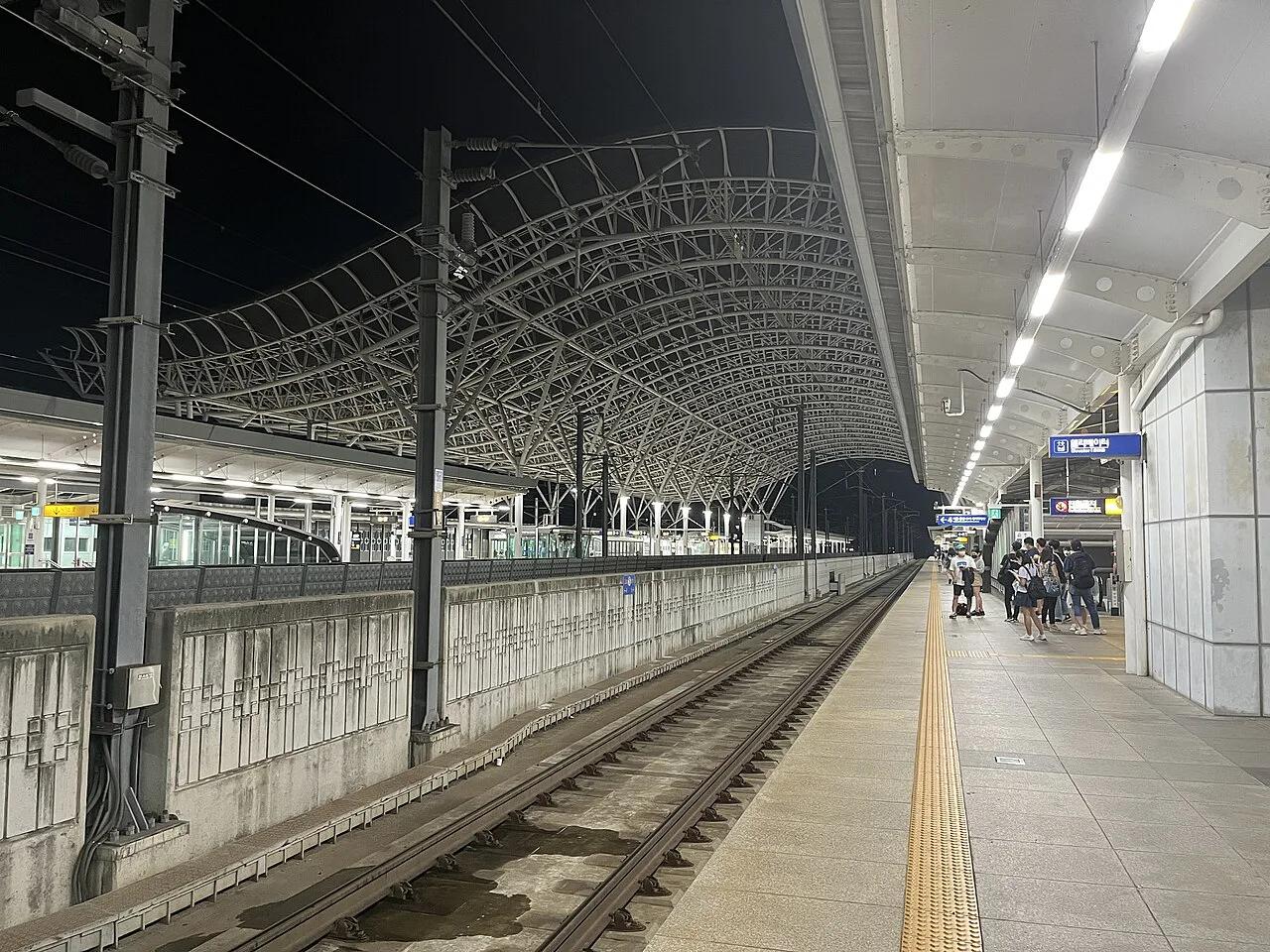
Arriving by KTX: Plan the Last Transfer
The KTX station sits outside Gyeongju’s historic center, so treat the final transfer as part of the journey. A taxi to the center takes about 20 minutes. This is especially useful in winter, when reaching Daereungwon or your accommodation quickly preserves limited daylight.
Do not assume the KTX arrival area is a convenient base for evening sightseeing. Stay in the historic center if you want to walk between the tombs, Donggung Palace and Woljeonggyo after dark. Book the onward taxi before a late arrival when possible, and keep gloves accessible rather than packed away.
For a Bulguksa day, city buses No. 10 and 11 run frequently from central Gyeongju. They are easy to catch at Gyeongju Station and the bus terminal. Allow time for the return journey, since Bulguksa admission closes at 5:00 PM from November through January.
Frequently Asked Questions
Is Gyeongju worth visiting?
Yes, for Silla-era tombs, temples and night-lit ponds. In winter you trade comfort for thin crowds. Daereungwon costs ₩3,000, and Bulguksa is free.
Notes for your Korea trip
Optional updates to our city guides.
You might also like
Continue reading
More guides you'll find useful