Gyeongju Rainy Day Activities: What to Do and Skip
Rain in Gyeongju? See which museums, cafés and sites still work, what to skip, and how to reorder your day around the weather.
On this page
Last updated November 2026. For Gyeongju rainy day activities, anchor the day at the Gyeongju National Museum and use the cafés of Hwangnidan-gil as shelter. Daereungwon and Donggung Palace work in light rain with an umbrella. Seokguram Grotto and the hillside temples should wait for a dry window.
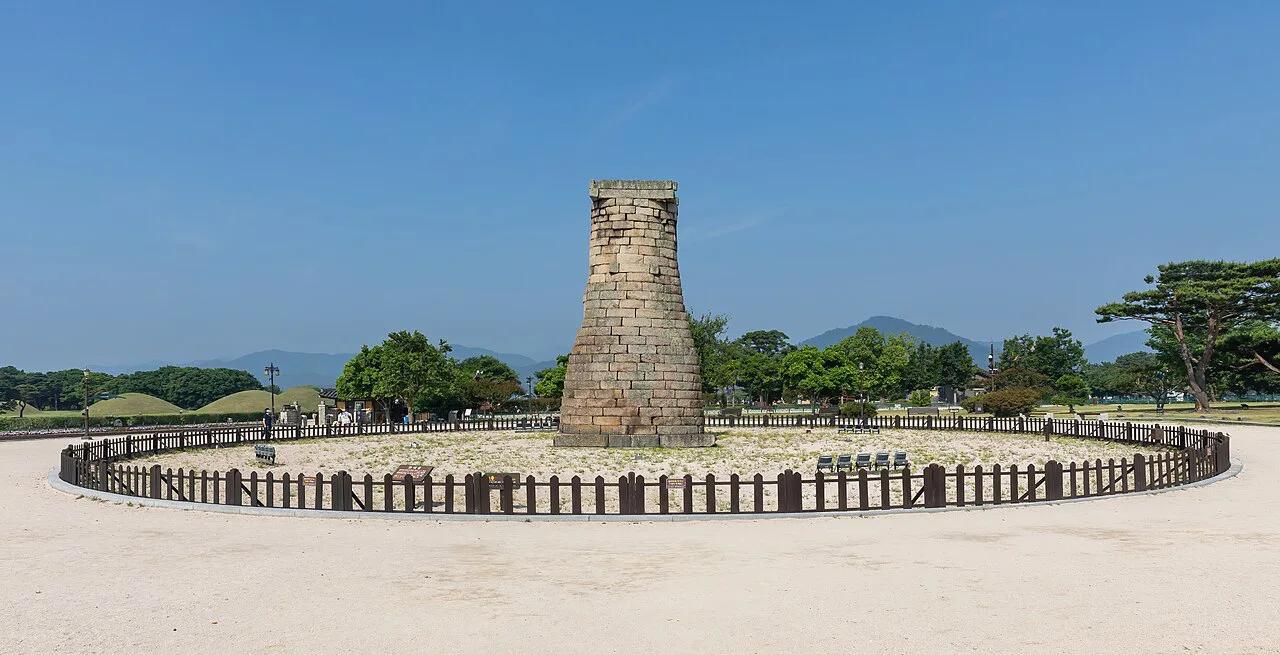
Featured image: Bernard Gagnon, CC0, via Wikimedia Commons.
Quick answer for a Gyeongju rainy day
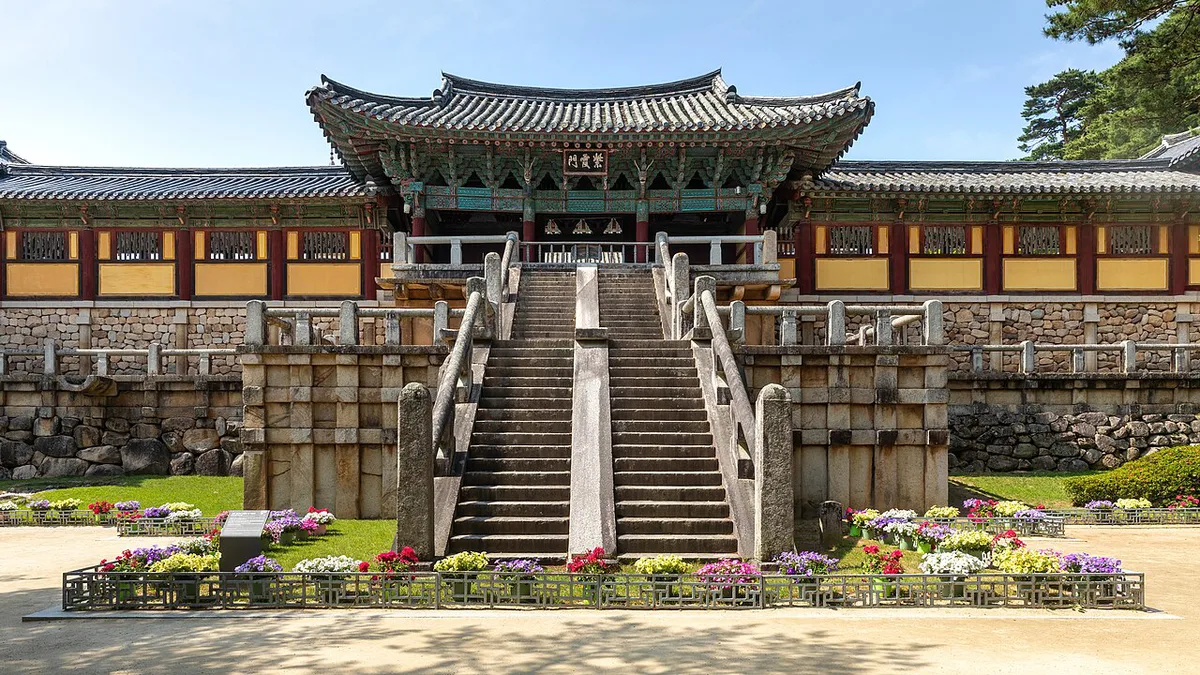
Our top picks are the Gyeongju National Museum, the shops and cafés along Hwangnidan-gil, Daereungwon in drizzle, and Woljeonggyo Bridge after dark. Our skip list is Seokguram Grotto and anything on a hillside during a downpour. The reorder rule is simple: put indoor stops in the heaviest rain, exposed sites in the breaks, and lit sites at night. For the full city, see our full Gyeongju overview.
Gyeongju rainy day activities ranked by shelter
Daereungwon charges ₩3,000 for adults, ₩2,000 for teenagers and ₩1,000 for children, and its main gate admits visitors until 21:30. Prices and hours checked November 2026. Those figures come from Visit Korea's Gyeongju listings. The table rates each stop by how much roof it gives you.
Daereungwon's main gate admits visitors until 21:30, earlier than the 22:00 closing time listed for the same grounds.
| Stop | Shelter | Worth it in rain? | Cost |
|---|---|---|---|
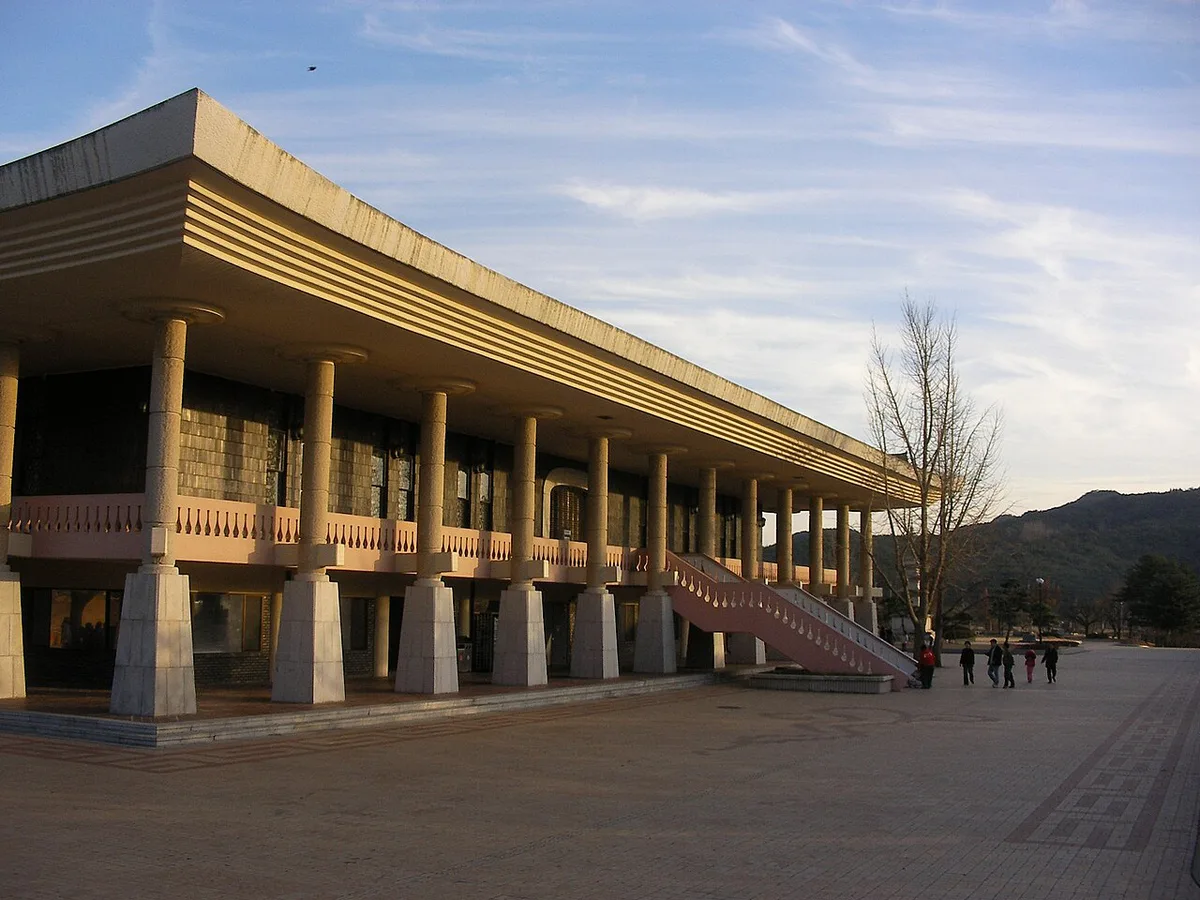
| Gyeongju National Museum | Indoor, with outdoor garden paths | Yes, our anchor stop | See the museum's official page |
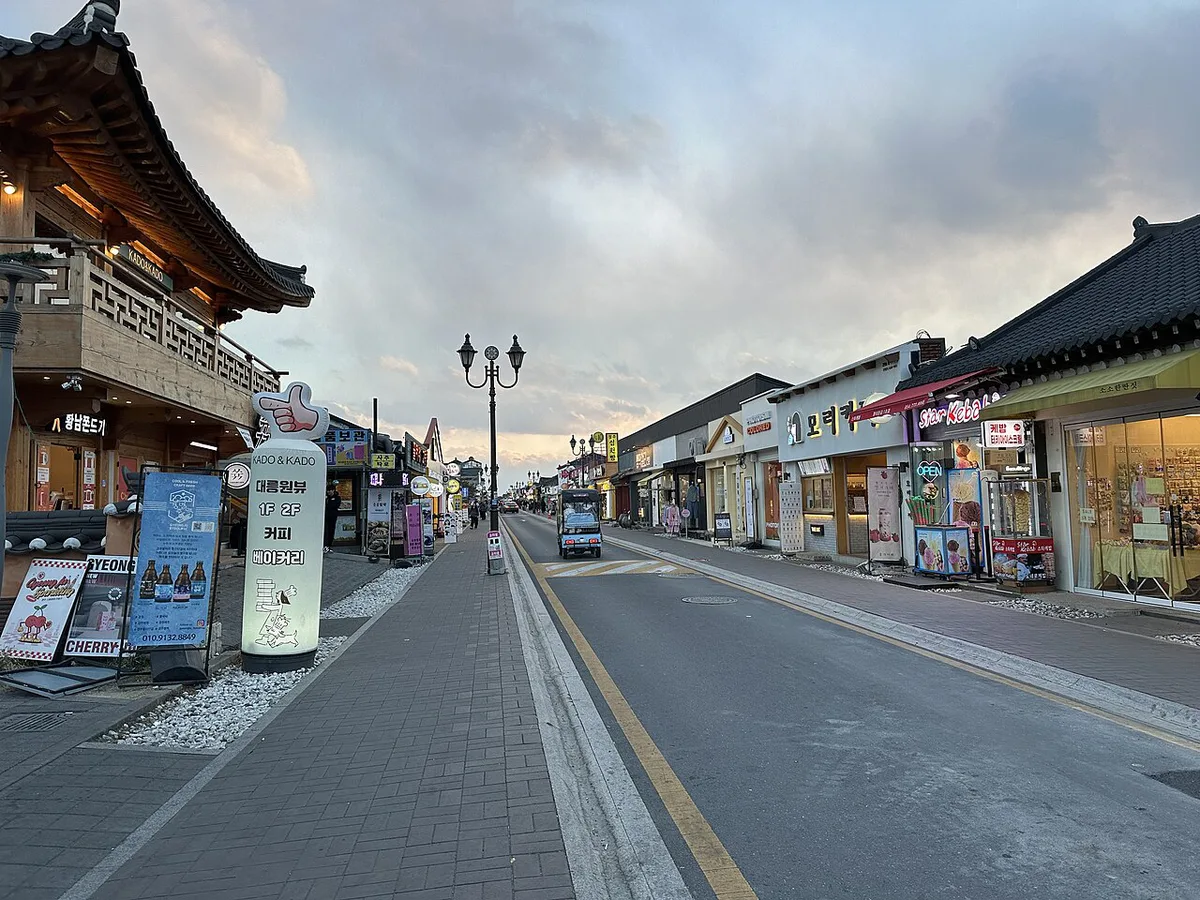
| Hwangnidan-gil | Covered pockets in shops and cafés | Yes, for breaks | Free to enter the street |
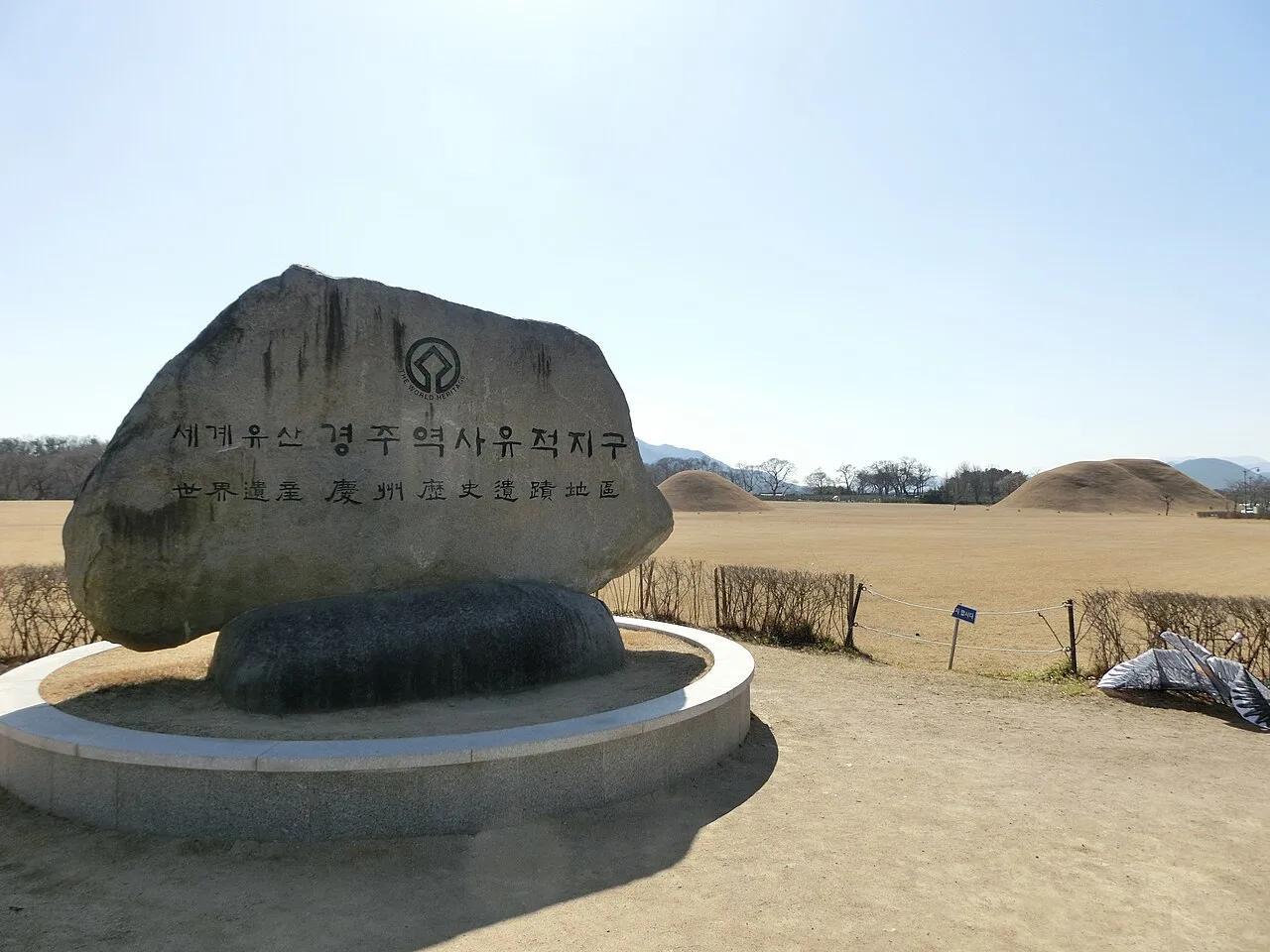
| Daereungwon Tomb Complex | Exposed | In light rain only | ₩3,000 adult |
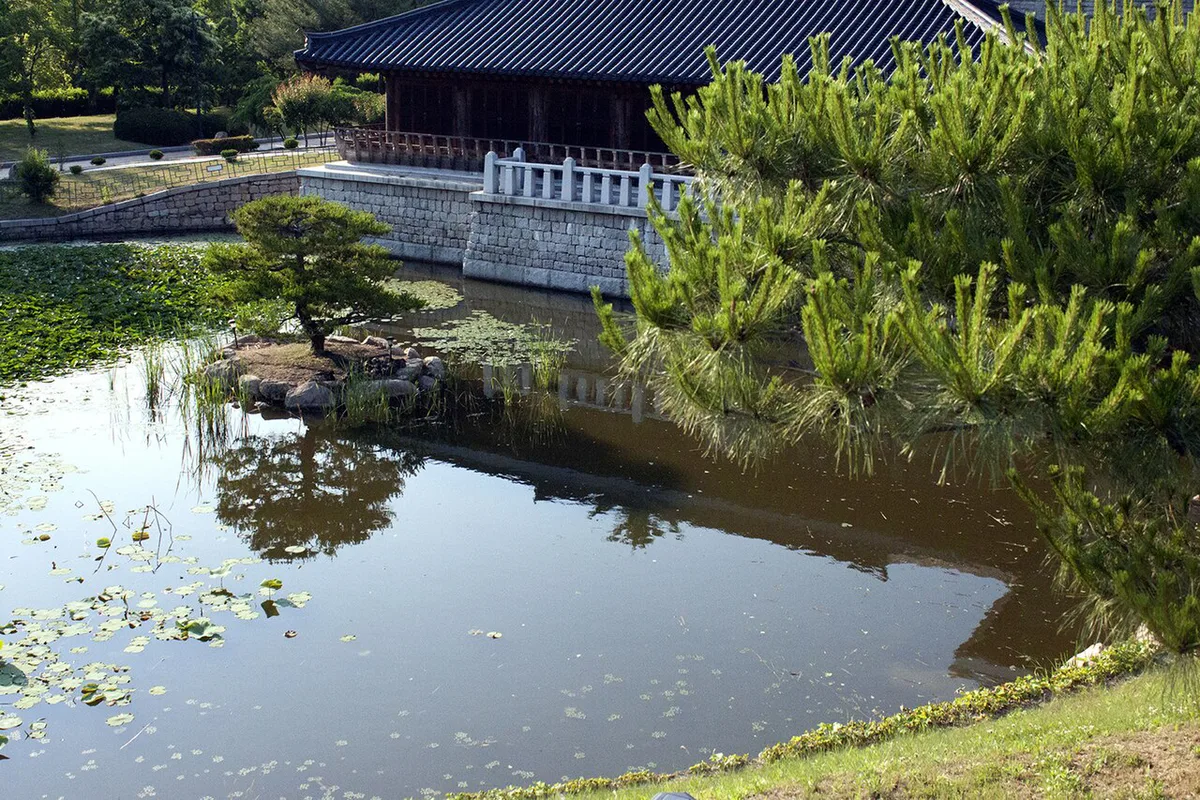
| Donggung Palace and Wolji Pond | Exposed | Light rain, better at night | Check the official page |
| Woljeonggyo Bridge | Exposed, with a gate-tower exhibition hall | Yes, briefly | Free |
| Bulguksa Temple | Mostly exposed | Only if the rain is light | Free |
| Seokguram Grotto | Exposed hillside | Skip in heavy rain | Free |
Best indoor and covered stops
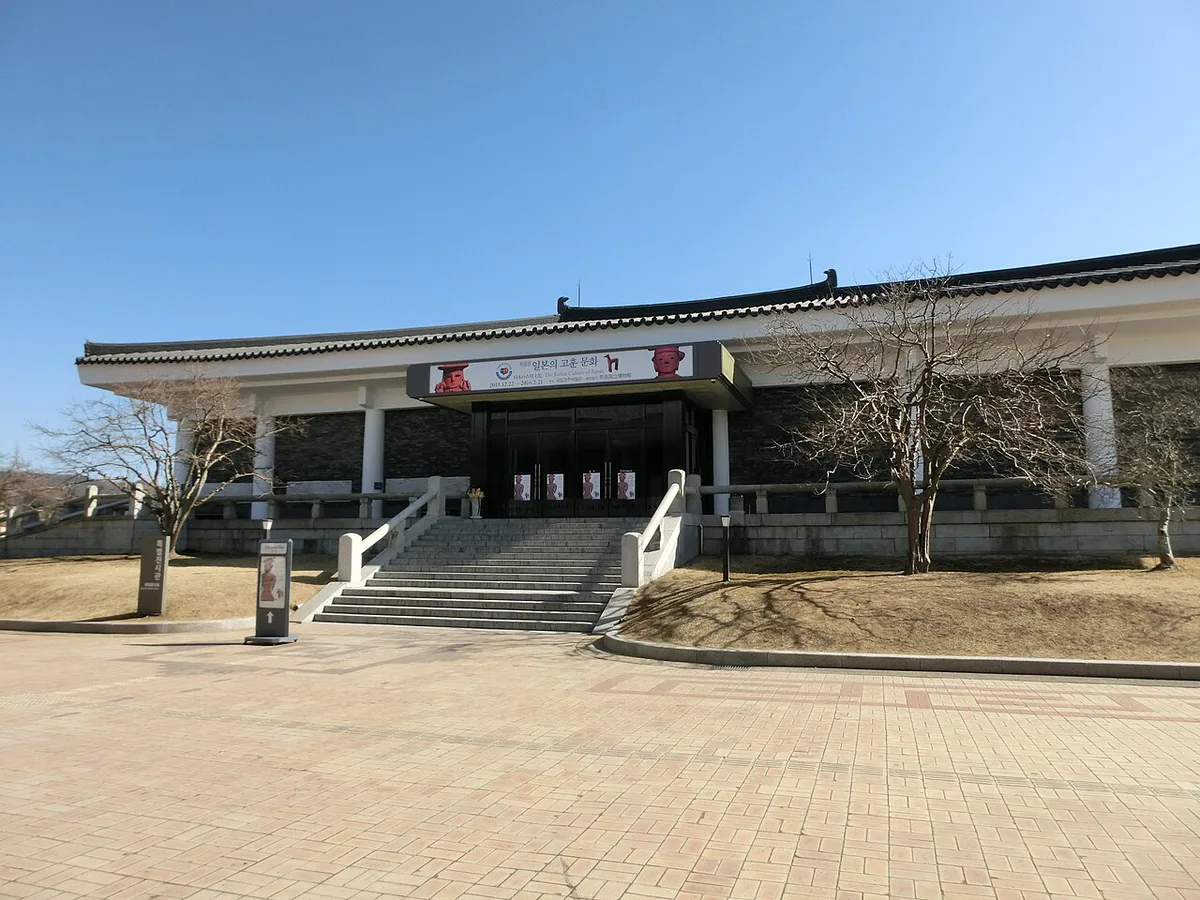
Start at the Gyeongju National Museum. It holds Silla gold crowns and the Emille Bell, so one stop covers the headline treasures. Pavilions and gardens sit around it, which lets you walk between buildings in a lull. From Donggung Palace, the museum is about 20 minutes on foot.
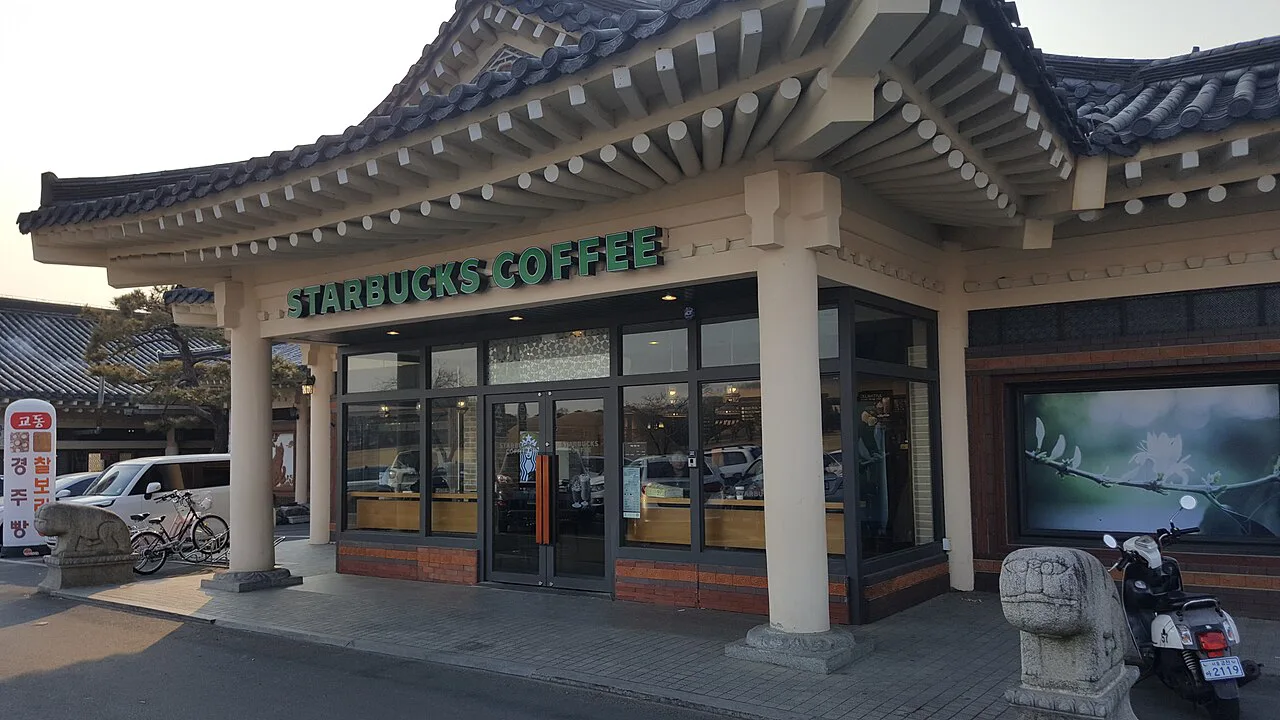
Next, move to Hwangnidan-gil. Entry to the street is free, and shop hours and closing days vary by store. Its address is 1080 Poseok-ro. Use the cafés and food shops as shelter when the rain turns heavy. Our café-lined street guide covers the layout. Tteokbokki counters and cafés set back from the main road suit a 30-minute dry break.
Outdoor sites that still work in light rain
Daereungwon is open 09:00 to 22:00. Rain thins the crowds, and mound paths are easy to follow under an umbrella. Wet grass and the lack of shelter are the trade-off, so wear shoes with grip. Cherry blossoms and magnolias bloom here in spring, which makes a drizzly April visit photogenic.
Donggung Palace opens 09:00 to 22:00. It is mostly a few reconstructed pavilions beside Wolji Pond. We'd treat it as a views stop, not a history stop, so it earns a visit only when the rain eases to a drizzle. Woljeonggyo Bridge is free and open until 22:00. Its gate-tower exhibition hall opens at 10:00 and gives you a roof for a few minutes.
What to skip or postpone in heavy rain
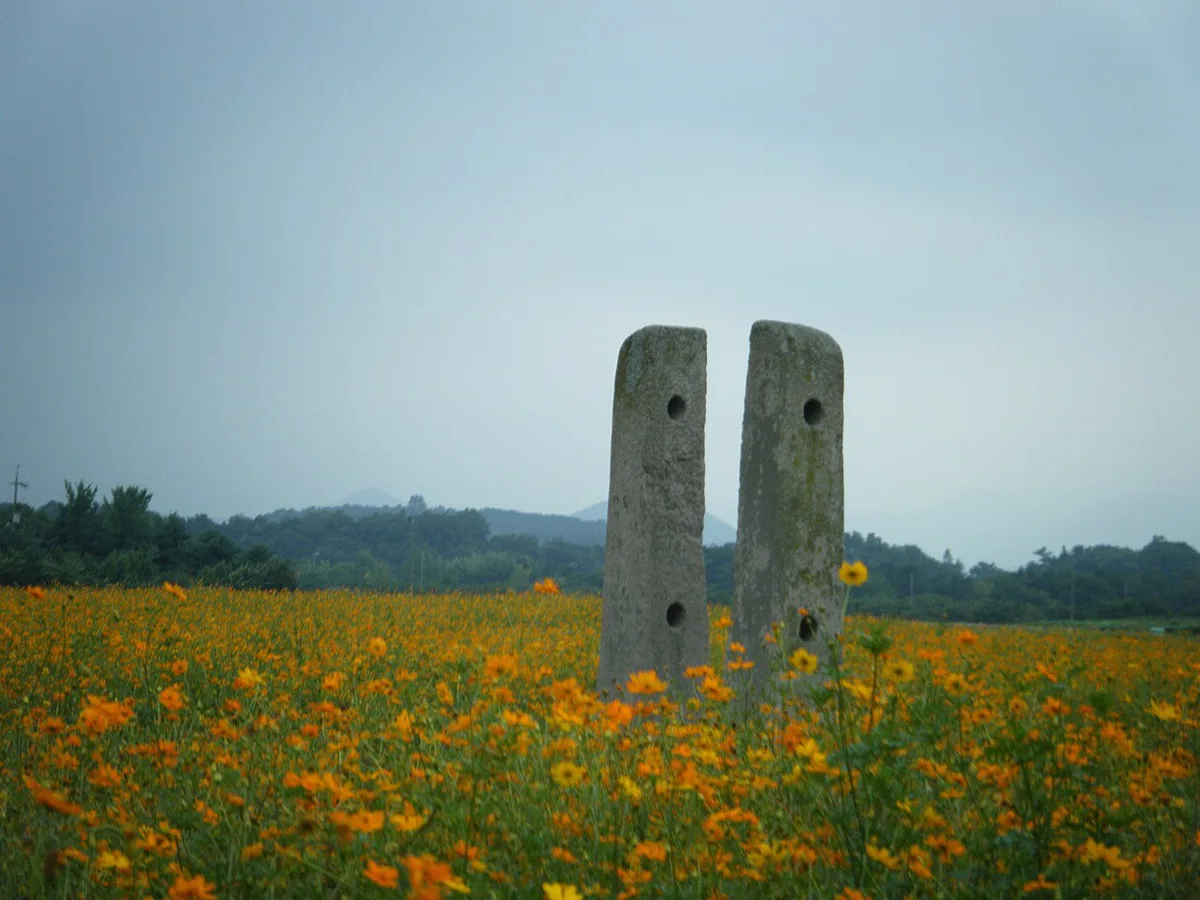
Skip Seokguram Grotto in a downpour. Its official notice says access to the grounds may be restricted when weather warnings are in effect, including heavy rain, typhoon or heavy snow. Admission is free, and the last entry is 17:00 from November to January, 17:30 in February and October, and 18:00 from March to September. Pets are not allowed.
Seokguram's last entry falls at 17:00 from November to January, while Woljeonggyo Bridge stays open until 22:00 for a later walk.
Bulguksa Temple opens at 9:00 and is free to enter. Last admission matches the same seasonal pattern as Seokguram. We'd push it to a dry morning rather than walk wet stone terraces. Bunhwangsa, Wolseong Fortress and Gyerim Forest are open ground with little shelter, so they also belong on the postpone list.
Gyeongju at night in the rain
Lit sites reward patience when the rain is light. Reflections on wet paths and on Wolji Pond can look better than on a dry night, and crowds shrink. Donggung Palace stays open until 22:00, and Woljeonggyo Bridge is open for walking until 22:00. Both are free or low-cost to watch from outside. Heavy rain dulls the view and makes the stone steps slick, so switch to a café instead. Our night-time guide covers the full evening route. From Gyerim, Woljeonggyo is about 1 km, or 15 minutes on foot.
Getting around in the rain
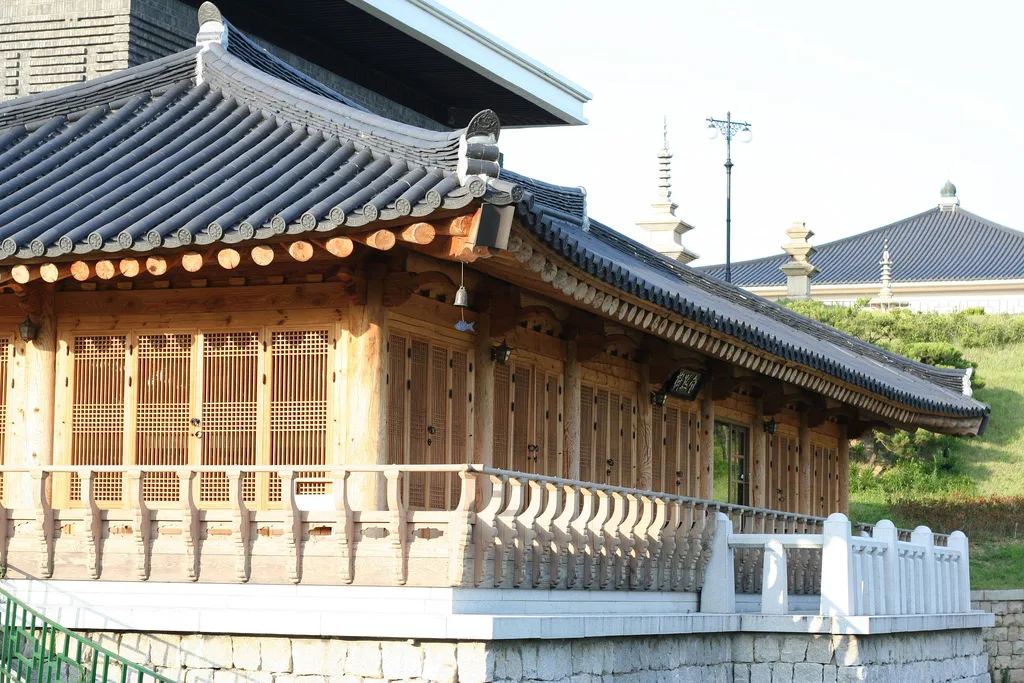
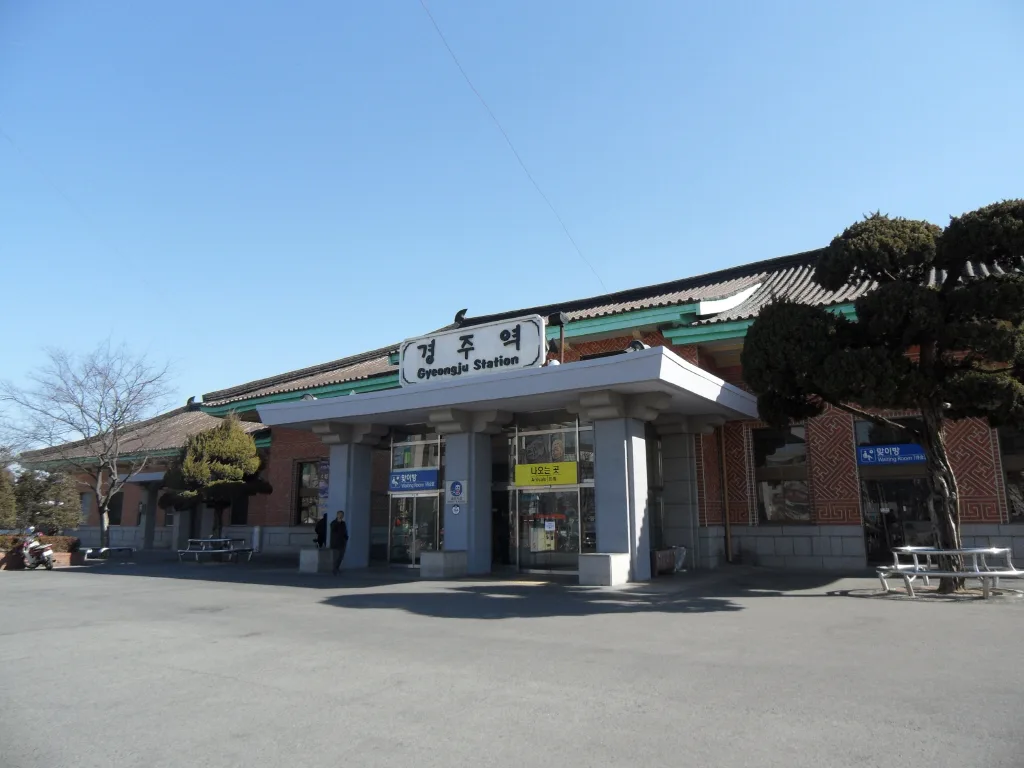
Central sites are walkable, but a 15-minute walk in a downpour feels long. Between the museum, Donggung Palace and the tomb park, hop in a taxi when the rain is hard. For Bulguksa, city buses No. 10 and 11 run frequently from Gyeongju Station and the bus terminal. By car, Bulguksa parking costs ₩2,000 for cars. Bomun Lake Resort is about 10 kilometers east of downtown, so plan that trip by bus or taxi, not on foot. Carry a compact umbrella and wear shoes that grip stone, since tomb paths and bridge steps turn slippery.
Sample rainy-day itineraries
Half day: museum first, then lunch and café time on Hwangnidan-gil. Full day: add Daereungwon between showers and finish at Woljeonggyo Bridge before it closes at 22:00. If rain clears by afternoon, walk Daereungwon after lunch, then head to Donggung Palace for the evening light. On a washed-out day, stay with the museum, the street's shops and a long lunch, and move Bulguksa to tomorrow.
- Heavy rain: museum, then Hwangnidan-gil cafés.
- Light rain: museum, Daereungwon, Hwangnidan-gil.
- Clearing afternoon: museum, tomb park, Donggung Palace at dusk.
Costs and what's free
Rainy days can cost very little here. Hwangnidan-gil, Woljeonggyo Bridge, Bulguksa and Seokguram all have free entry. Daereungwon is ₩3,000 for adults, and parking at both temples is ₩2,000 for cars. Check museum and palace fares on the Gyeongju tourism site. For more no-cost ideas, see our free Gyeongju sights.
Where to stay for a wet-weather trip
A base near Hwangnidan-gil keeps the cafés, tomb park and museum within a short walk. Bomun Lake Resort is open 24 hours and sits about 10 kilometers east of downtown, with parking on site. It suits a stay-in day, but sightseeing then means a bus or taxi each time. Compare options in our Bomun Lake resort stays guide.
Mistakes to avoid
Three errors spoil wet days in Gyeongju. Committing to an outdoor-only plan is the first. Assuming stone paths and bridge steps are safe when slick is the second. Chasing Seokguram in a storm is the third, since access can be restricted. Keep one indoor stop in reserve for each outdoor stop.
Frequently Asked Questions
What to do on a rainy day in Korea?
In Gyeongju, start with the Gyeongju National Museum. Add café time on Hwangnidan-gil and a short walk through Daereungwon if the rain is light.
Should I skip Gyeongju?
No, rain alone is no reason to skip it. The museum and Hwangnidan-gil work in any weather. Only Seokguram Grotto and hillside temples need a dry window.
What not to miss in Gyeongju?
Do not miss the museum's Silla gold crowns and the Emille Bell. Daereungwon and Woljeonggyo Bridge are also worth a visit. Both stay open until 22:00.
Notes for your Korea trip
Optional updates to our city guides.
You might also like
Continue reading
More guides you'll find useful