Ganghwa Island Travel Guide: Day Trip Plan, History & Food
Plan a trip to Ganghwa Island from Seoul or Incheon: dolmens, temples, forts, local food, getting there and how to choose your stops.
On this page
Last updated November 2026: Ganghwa Island sits in Incheon and connects to the mainland by bridge, so you need no ferry. County tourism puts access from Seoul and Incheon at roughly one to two hours, which makes a day trip realistic. This guide helps you choose between dolmens, temples, forts, cafes and food.
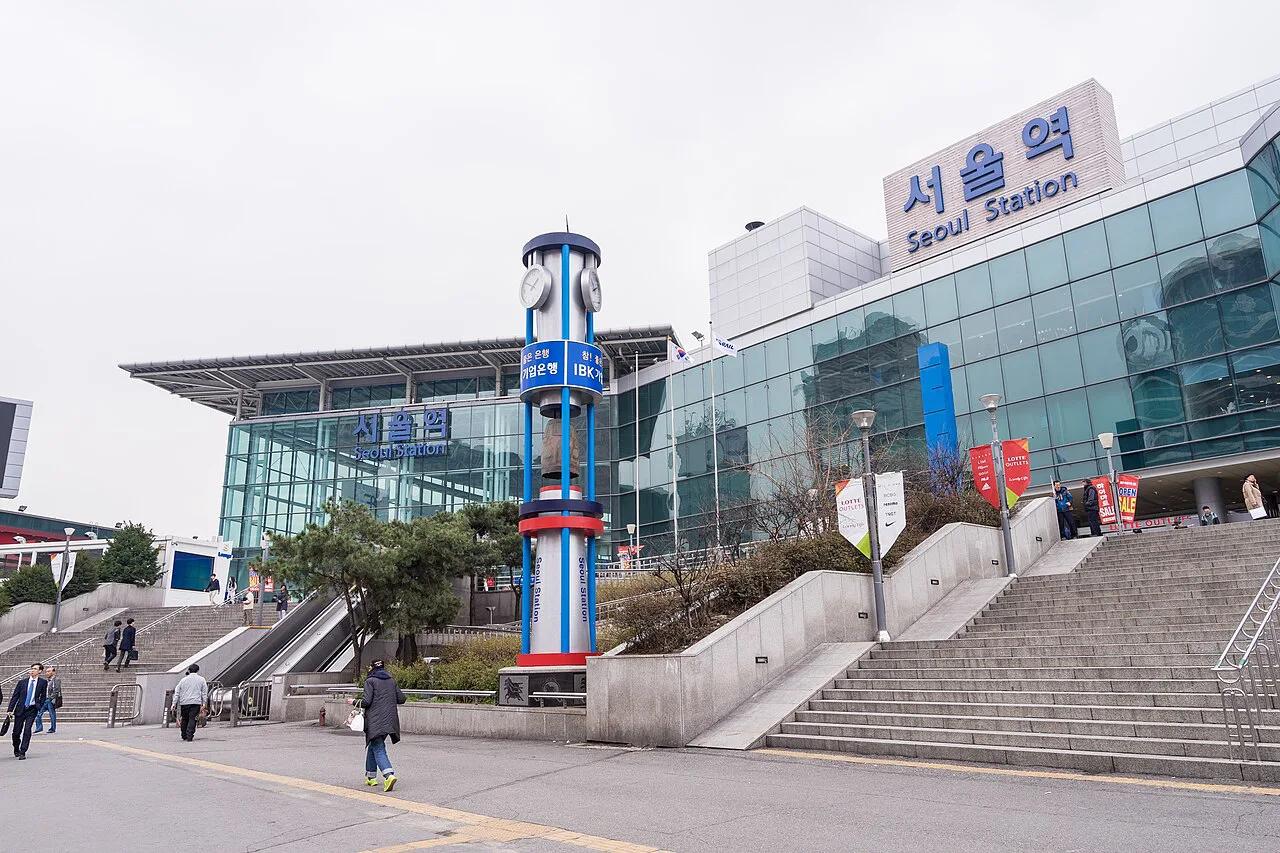
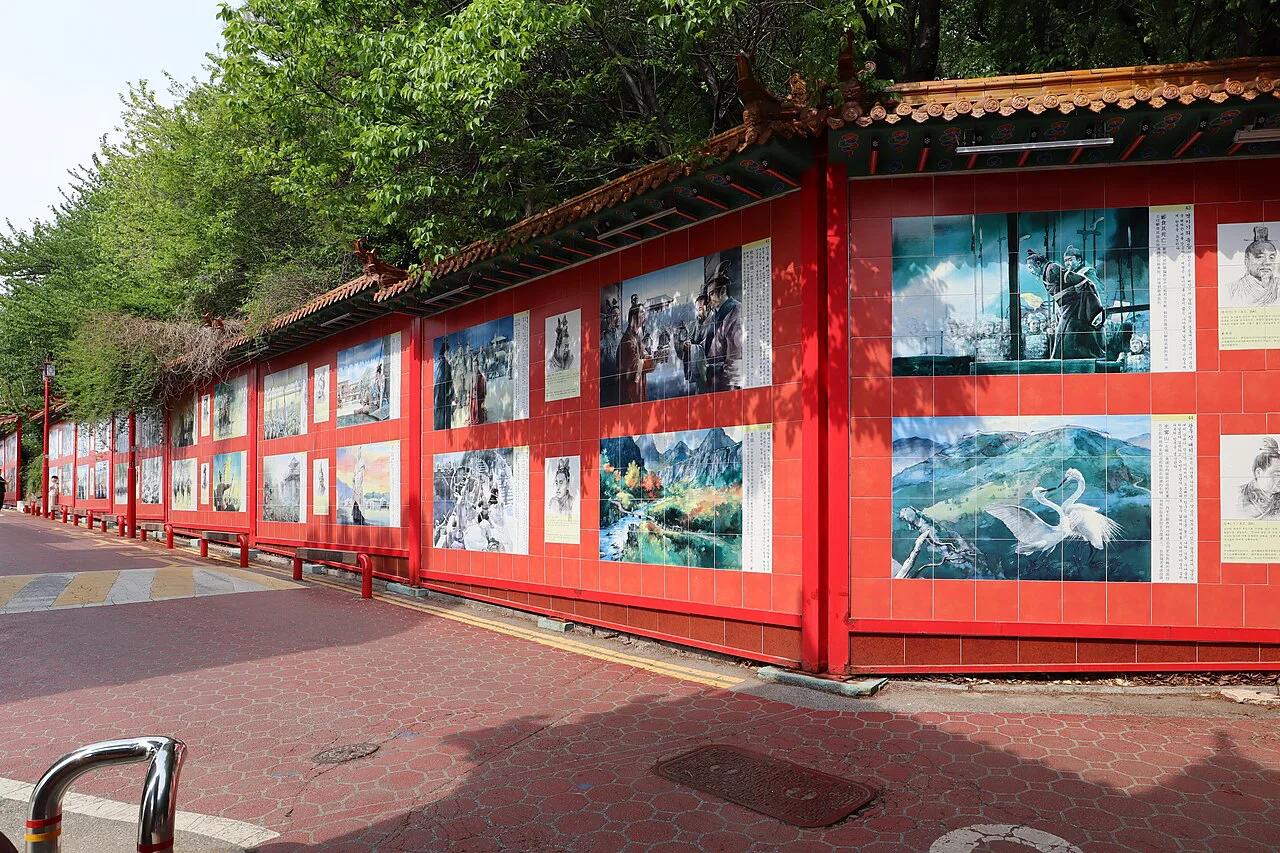
Featured image: Republic of Korea from Seoul, Republic of Korea, CC BY-SA 2.0, via Wikimedia Commons.
Ganghwa Island at a glance
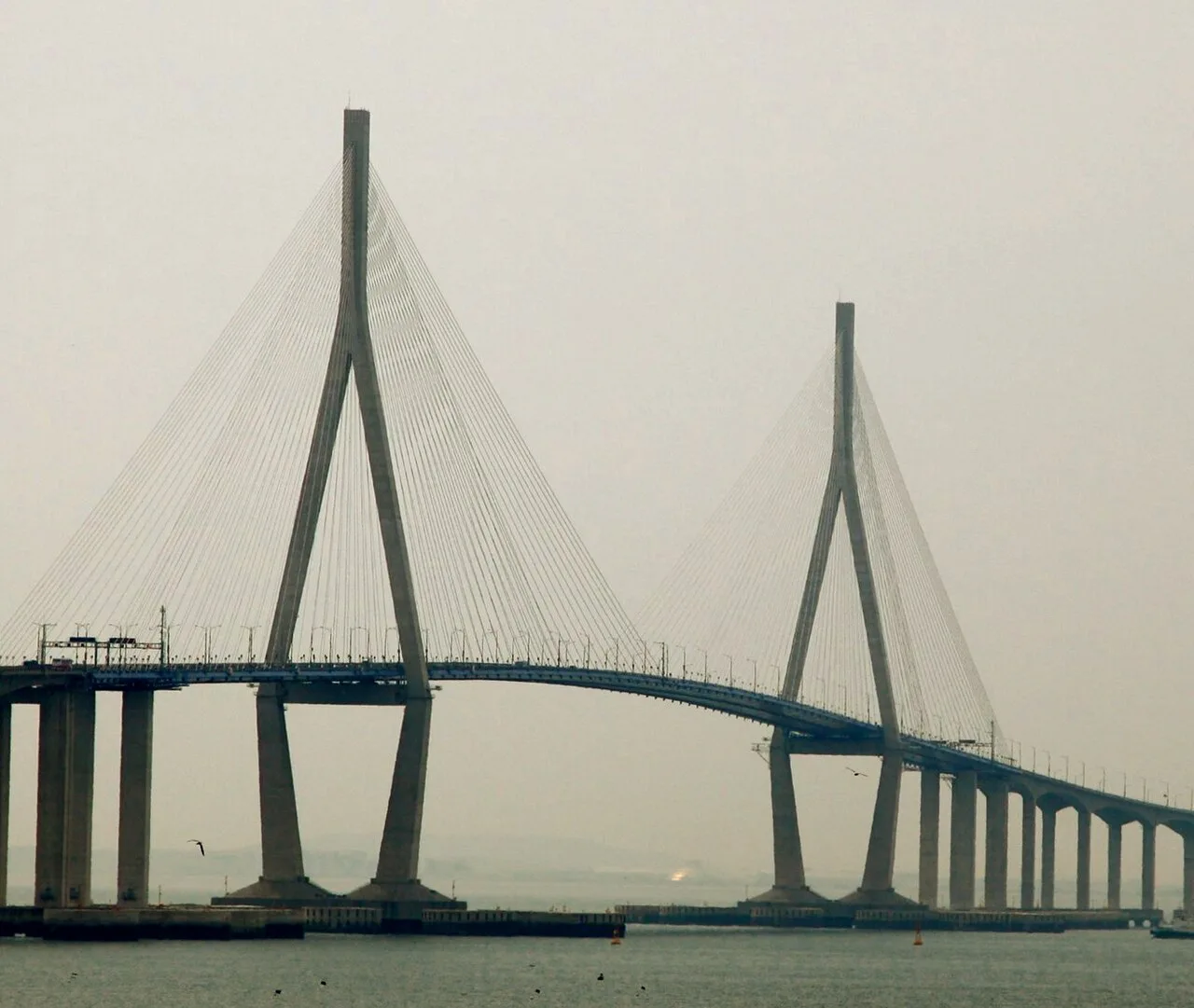
Ganghwa is history-led rather than beach-led. Its main draws are dolmens, a temple with a famous iron bell, old forts and a regional rib soup. Bridges link it to the mainland, so you never queue for a boat. That sets it apart from Deokjeokdo, which needs a ferry. For the wider picture, see our Incheon islands guide. A day works if you pick three or four stops and skip the rest.
- Location: Incheon, South Korea, reached by bridge from the mainland
- Travel time: roughly 1–2 hours from Seoul and Incheon, according to county tourism
- Best for: heritage, local food, cafes and tidal-flat scenery
- Gyodong: a separate island linked to Ganghwa, home to Hwagae Garden
- Aegibong: in Gimpo, not Ganghwa, so treat it as an optional add-on
Getting to Ganghwa from Seoul and Incheon

Ganghwa County describes access from both cities as about one to two hours. Buses and cars both cross by bridge. Route numbers and fares change, so read them on the Ganghwa County directions page before you leave. Once you arrive, stops spread out across the island. Cars make Gyodong and the outlying cafes easy. Buses work for the main sights but limit how many stops fit in one day.
Deokjeokdo is about 1 hour 10 minutes by ferry from Incheon Coastal Passenger Terminal, while Ganghwa needs no boat and is reached by bridge.
| Option | What it does well | Trade-off |
|---|---|---|
| Car | Reaches Gyodong, forts and scattered cafes in one day | Weekend traffic and cafe car parks can slow you down |
| Public bus | Gets you to the main town and major sights without driving | Fewer stops, and timetables set your pace |
| Guided tour | Removes all route planning | Fixed stops and fixed timing |
Best things to do on Ganghwa Island
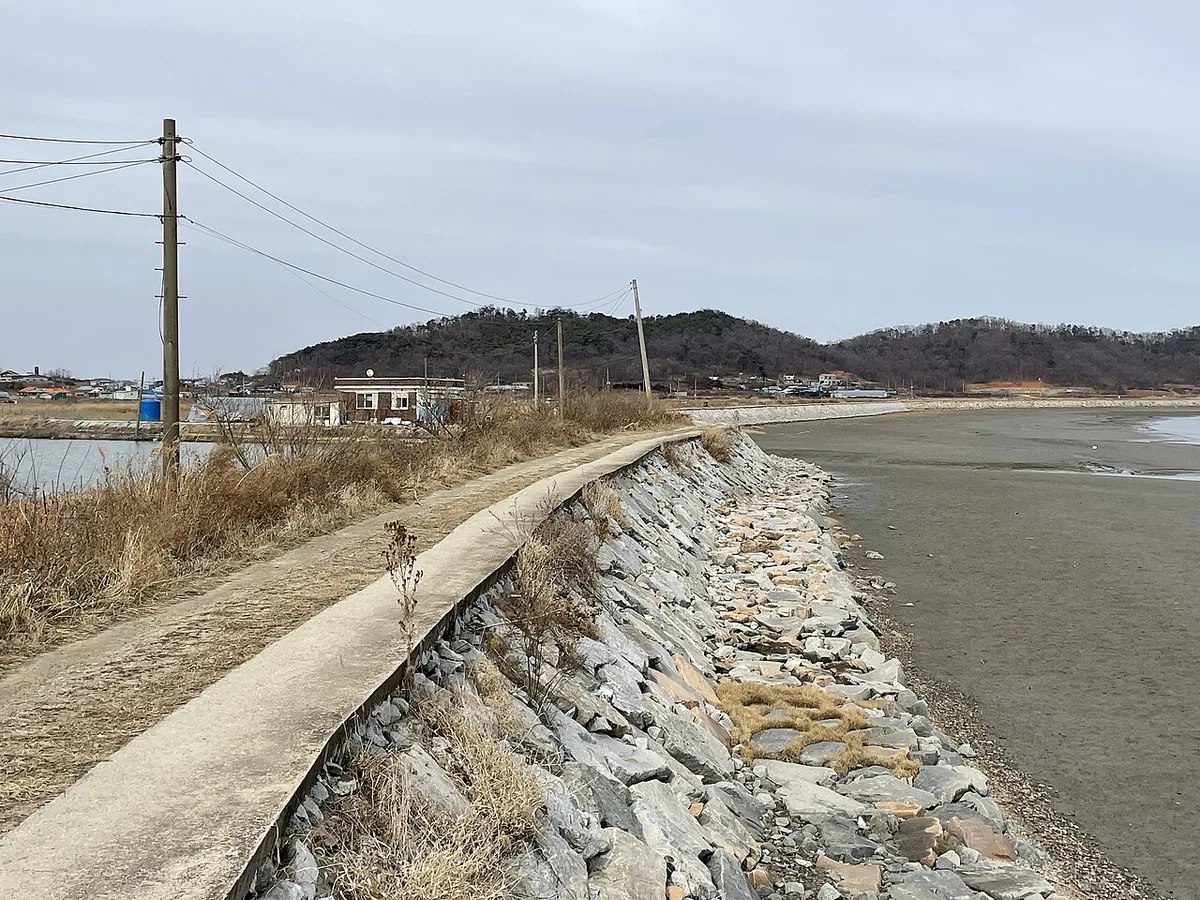
Group your day by theme rather than by map pin. History is the strongest reason to come. Dolmens, Jeondeungsa and the forts form the core, and the next section ranks them. On Gyodong, Hwagae Garden and the Yeonsangun exile site sit together, which makes a single stop with two stories. Gyodong is its own island, so allow travel time to reach it. For nature, the county lists a tidal flat and breeding ground for black-faced spoonbills as a natural monument. It is a coastal-wetland stop, not a hiking day. Cafe fans head for Joyang Bangjik in Ganghwa-eup, a former textile factory. Weekends get busy there, so a weekday visit is calmer.
Ganghwa's heritage sites worth your time
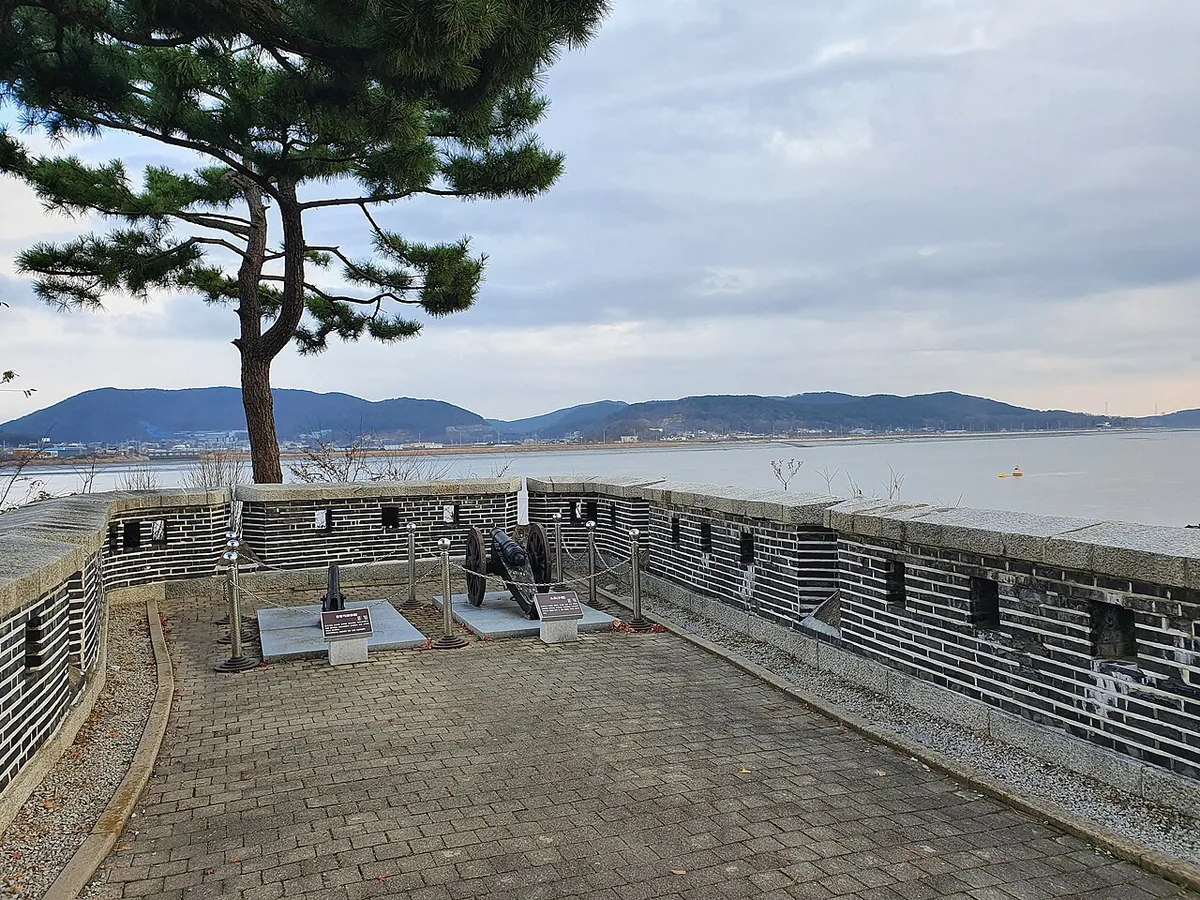
The county's heritage list is long, so prioritize. Ganghwa's dolmens carry World Cultural Heritage status. Jeondeungsa holds a listed iron bell and is also one of the county's Eight Sceneries. Chojijin Fort is another of the eight, and it suits a coastal-defence stop. With limited time, choose the dolmens, Jeondeungsa and one fort. Details on each site are on the county heritage pages.
- Dolmens: World Cultural Heritage, the strongest single reason to visit
- Jeondeungsa Temple: home to the iron bell, and one of the Eight Sceneries
- Chojijin Fort: a coastal fort among the Eight Sceneries
- Goryeo Palace Site and Ganghwa Anglican Church: both listed historical relics
- Bomunsa and Jeokseoksa temples: further Eight Sceneries stops for a longer stay
- Manisan Mountain, Gwangseongbo Fort, Gapgotdon Outpost and Yeonmijeong pavilion: the rest of the eight
What to eat and bring home
Jeotgook galbi is the dish to try. It is a clear rib soup seasoned with salted shrimp, quite unlike sweet grilled galbi. Salted shrimp is also one of Ganghwa's listed local foods. The county names more products to take home: ginseng, rice, turnip, lion's foot mugwort, golden sweet potato and grapes. Ganghwa Pungmul Market is the listed place for local shopping. Sedge handicrafts are the county's regional specialization product, if you want something that is not edible.
- Eat: jeotgook galbi in the main town
- Buy: Ganghwa salted shrimp, ginseng or rice
- Browse: Ganghwa Pungmul Market
- Souvenir: sedge handicrafts
How to plan your time
Treat these as sample structures, not fixed timings. All three start from the one-to-two-hour access window county tourism gives. A half day fits one cluster of stops. A full day fits two. Stay overnight only if you want the slower pace.
| Plan | Sample stops | Trade-off |
|---|---|---|
| Half day | Dolmens plus a jeotgook galbi lunch | Little time for forts or Gyodong |
| Full day | Jeondeungsa, lunch, then Gyodong or Chojijin Fort | Needs a car for comfortable timing |
| Overnight | Heritage day, then the tidal flat and market next morning | Pension-style stays vary, so compare before booking |
Pick your day by traveler type
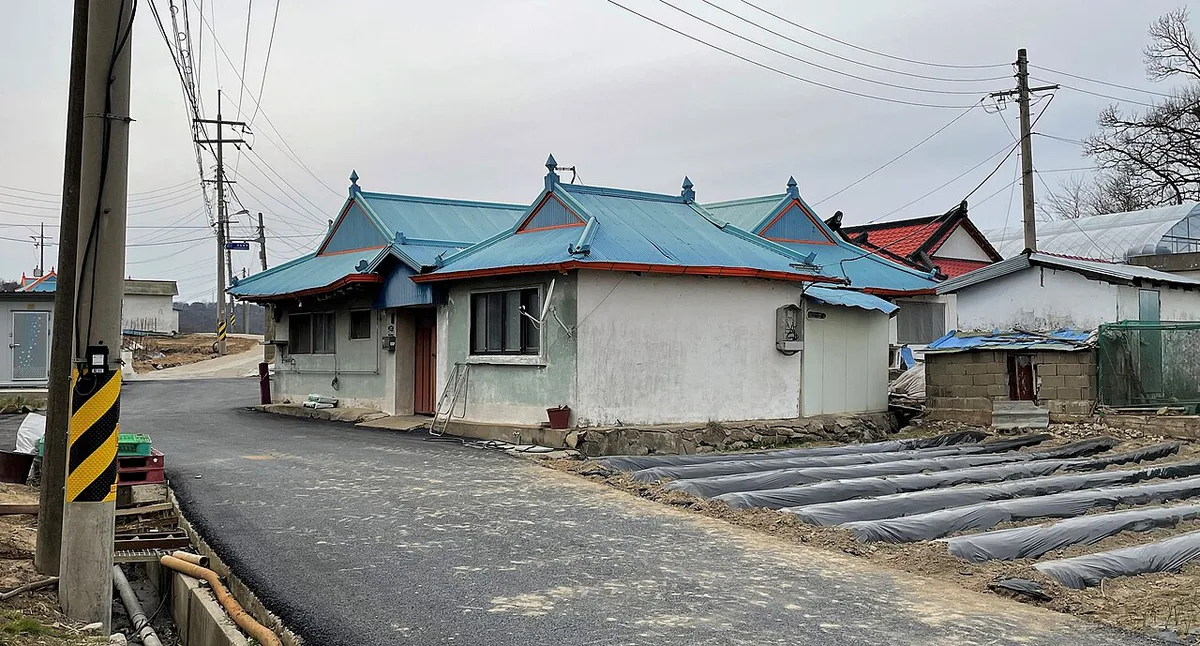
Match the route to your energy and your transport. A history day suits bus riders best. A cafe day leans on a car.
| Traveler | Best stops | Transport implication |
|---|---|---|
| History buff | Dolmens, Jeondeungsa, Chojijin Fort | Bus works for the main sights |
| Cafe-hopper | Joyang Bangjik and nearby cafes | Car helps, and weekdays are quieter |
| Nature or photography | Tidal flat and spoonbill breeding ground | Plan the coastal stop around daylight |
| Family | Hwagae Garden on Gyodong, then a market lunch | Car makes the day easier |
Costs, tickets and opening hours
No current admission fees or opening hours are published for the sights above in our sources. Read them on the Visit Korea site or the county pages before you go.
Sindo's islands are open 24 hours and cost nothing to enter, unlike Ganghwa's sights, which have no hours listed here.
Ganghwa vs other Incheon islands
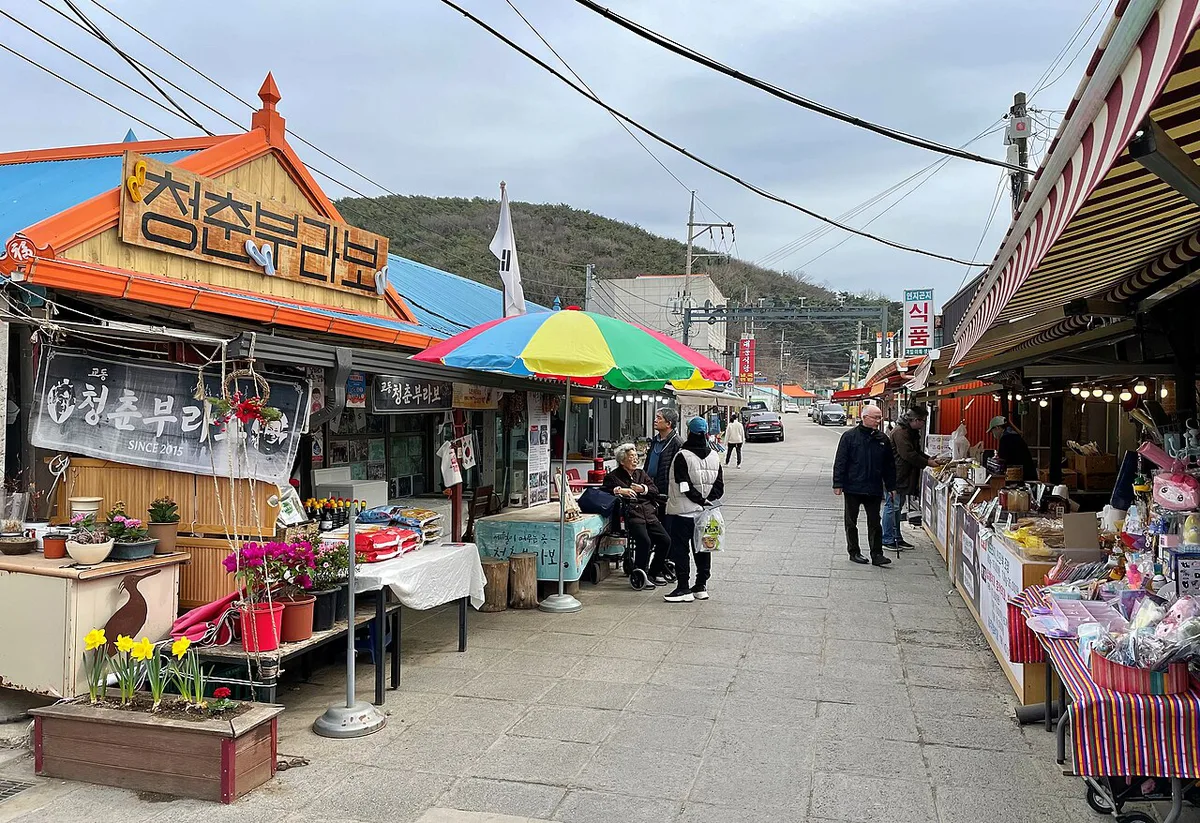
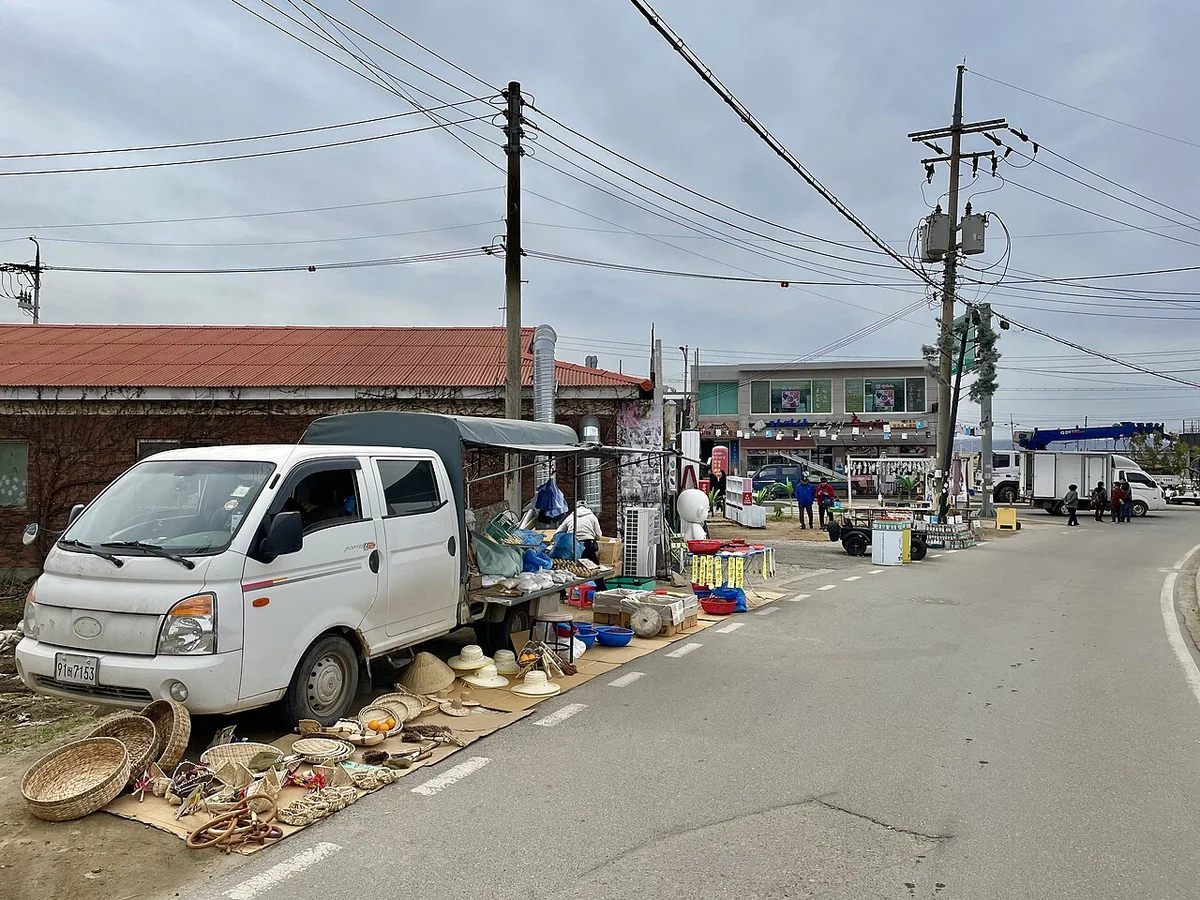
Choose Ganghwa for history, food and a bridge crossing. Pick another island when you want a different pace. Deokjeokdo suits a longer trip, with about 1 hour 10 minutes by ferry from Incheon Coastal Passenger Terminal, according to the Incheon city site. Muuido suits walkers, with trekking courses of about 2 hours and 2 hours 50 minutes. Sindo suits cyclists, since its bridges let you cover Sindo, Sido and Modo in one day. Visit Korea lists it as free and open 24 hours. Wolmido is the port-side contrast, at 36 Wolmimunhwa-ro in Jung-gu.
Common mistakes to avoid
Most problems come from overpacking the day or assuming access. Keep the plan tight and choose one theme.
- Trying too many scattered stops without a car
- Arriving at Joyang Bangjik on a weekend and expecting a quiet table
- Treating Aegibong as part of Ganghwa when it is in Gimpo, in a civilian control zone
- Assuming Aegibong is open without checking its official page first
- Skipping lunch plans and missing jeotgook galbi
Notes for your Korea trip
Optional updates to our city guides.
You might also like
Continue reading
More guides you'll find useful