Sinpo Dakgangjeong: What It Is and Where to Buy It in Incheon
Sinpo dakgangjeong is sweet-spicy glazed fried chicken from Incheon's Sinpo market. Learn how to choose a stall, order, and keep it crisp.
On this page
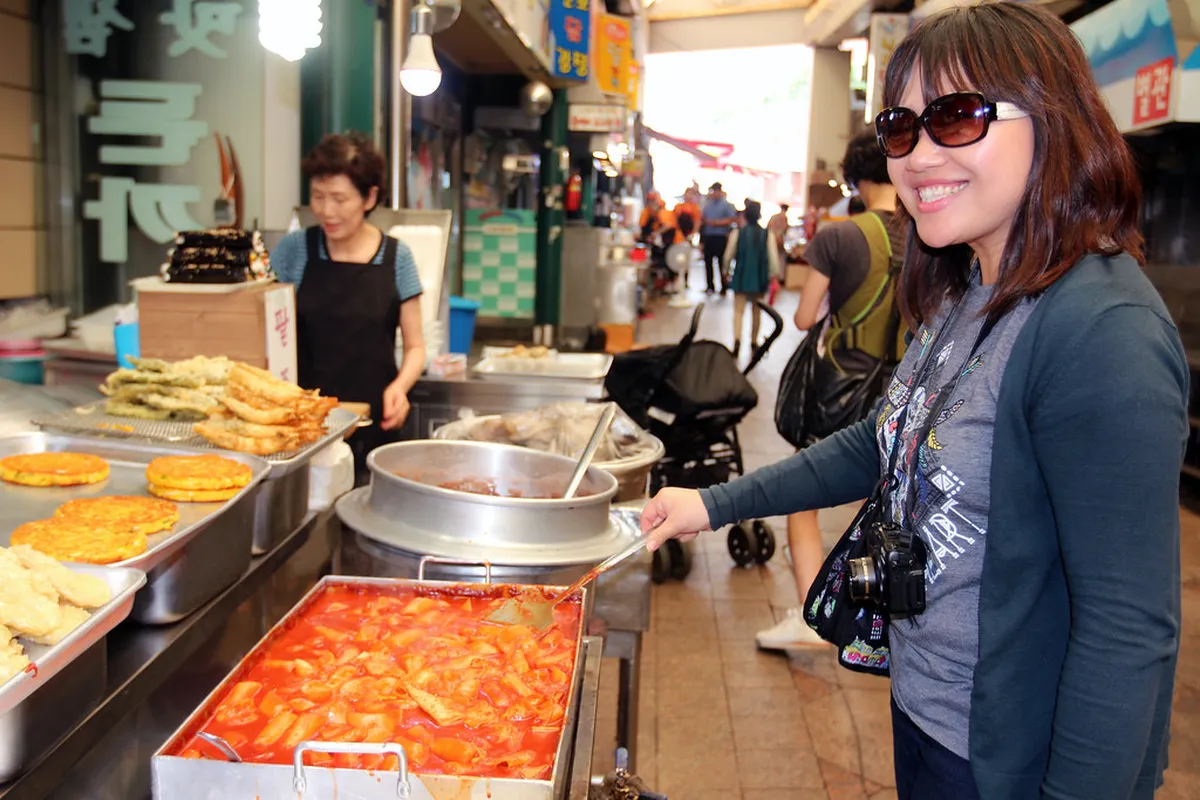
Last updated November 2026. Sinpo dakgangjeong is bite-sized fried chicken tossed in a sticky sweet-spicy glaze, and you buy it at the stalls in and around Sinpo International Market in Incheon. This guide covers how it differs from ordinary Korean fried chicken, how to pick a stall and order, and where it fits in an Incheon food day from our Incheon food guide.
Featured image: siska maria eviline, CC BY-SA 2.0, via Flickr.
Quick facts before you go
Dakgangjeong is a market snack, so planning is light. Most of the decisions come down to timing and how far you will carry the box.
- Where: the stalls around Sinpo International Market in central Incheon.
- What: boneless-style fried chicken pieces in a glossy sweet-spicy glaze.
- Best time: off-peak hours, when queues are shorter and the chicken is fresh from the fryer.
- Payment: carry some cash as well as a card, since small stalls differ.
- Budget: stalls set their own prices, so compare a few before you commit.
What makes Sinpo dakgangjeong different
Dak means chicken. Gangjeong is the Korean word for a fried item coated in a sweet syrup glaze, traditionally a confection. Dakgangjeong applies that idea to chicken. Pieces are small, fried until crisp, then tossed in a glaze that sets into a lacquered, sticky shell. Other spellings, such as dak gangjeong, refer to the same dish.
Ordinary Korean fried chicken usually arrives as larger bone-in pieces with a thin crust. Dakgangjeong is built for one-handed eating. You get more glaze per bite and a chewier, candy-like coating. For broader food context on the city, Korea's national tourism site is a good starting point.
How to get to Sinpo Market
We have no fare or journey time we can stand behind for the airport, Seoul or central Incheon routes. Check the current subway, AREX and bus options on Incheon's city tourism pages before you leave.
How to choose a dakgangjeong stall
Skip the hunt for a single best stall. Judge each counter on a few things you can see from the queue:
- Glaze style: sweet and sticky, or spicier with a visible red sheen.
- Texture: pieces should look dry-edged and crisp, not soaked in sauce.
- Portion options: ask whether you can buy a half or a whole box.
- Turnover: a steady queue means batches are coming out fresh.
- Seating: some counters are takeaway only, so check before you order.
What and how to order
Pointing works at any counter. A few Korean phrases help you get the flavor you want. Say "dakgangjeong juseyo" to ask for dakgangjeong, please. Ask "maeun mat" for the spicy version, or "an maepge" for not spicy. Add "pojang hae juseyo" to have it packed to go.
On menu boards, look for the dakgangjeong name first. Spicy options are usually marked with a flavor label next to it. If a label is unclear, ask the vendor to show you a sample tray.
Eat here or take it away
Glazed fried food softens as steam builds in the box. In our editorial judgment, eat within the first half hour for the best crunch. Expect a noticeably softer crust after a 30 to 60 minute ride on transit or a walk to a hotel. Leave the lid cracked open to let steam out. If you plan to fly with it, ask the vendor about packaging, then check your airline's food rules and the customs rules of your destination.
A half-day Incheon food route
Start at Sinpo Market while the stalls are fresh. Buy a small box and eat it standing nearby. From there, head on to Chinatown for the noodle course in our Incheon Chinatown jjajangmyeon guide. Splitting one box between two people leaves room for a full bowl of noodles afterward.
On a food day, a 30 to 60 minute ride softens the crust, so eat the box before boarding for the Chinatown noodle course.
Who it suits and who can skip it
Dakgangjeong suits anyone who likes sweet, sticky, crunchy snacks and does not mind queuing at a market counter. It also works well as a shareable first stop on a food day. Skip it if you dislike sweet glazes on savory food, or if you want a sit-down meal. In that case, our Songdo restaurant picks offer seated dining without a queue.
Practical tips: payment, language and diet
Bring small bills in case a stall prefers cash. Expect limited English at the counter, so lean on the phrases above and on pointing. Dakgangjeong is fried chicken, so it is not vegetarian. Glazes commonly use soy and sesame, and the coating may contain wheat or peanut. Ask the vendor about allergens, and about halal status if that matters to you.
Frequently Asked Questions
How do you pronounce dakgangjeong?
Say it roughly as "dak-gang-jung". The first syllable rhymes with "sock", and the stress is even across all three parts.
What does dakgangjeong mean?
Dak means chicken in Korean. Gangjeong refers to a fried food coated in a sweet syrup glaze. Together, the name describes glazed fried chicken.
What does gangjeong taste like?
Gangjeong tastes sweet and sticky, with a crisp or chewy bite depending on what is fried inside. Dakgangjeong adds savory chicken, and many versions add a spicy kick.
Notes for your Korea trip
Optional updates to our city guides.
You might also like
Continue reading
More guides you'll find useful