Incheon Chinatown Jjajangmyeon: Where to Eat & Beat Queues
Compare Incheon Chinatown's jajangmyeon spots, pick the right bowl, plan a museum-to-lunch route from Incheon Station, and time your visit to dodge queues.
On this page
Last updated November 2026. Incheon Chinatown jjajangmyeon is the reason to ride Line 1 to the last stop, because Korea's black bean noodles took their Korean form here. Start at the Jajangmyeon Museum, eat lunch on the Chinatown-ro strip, then walk up to Freedom Park. Allow half a day, and read the Gonghwachun naming dispute below before you pick a restaurant. For the wider menu, see our Incheon food guide.
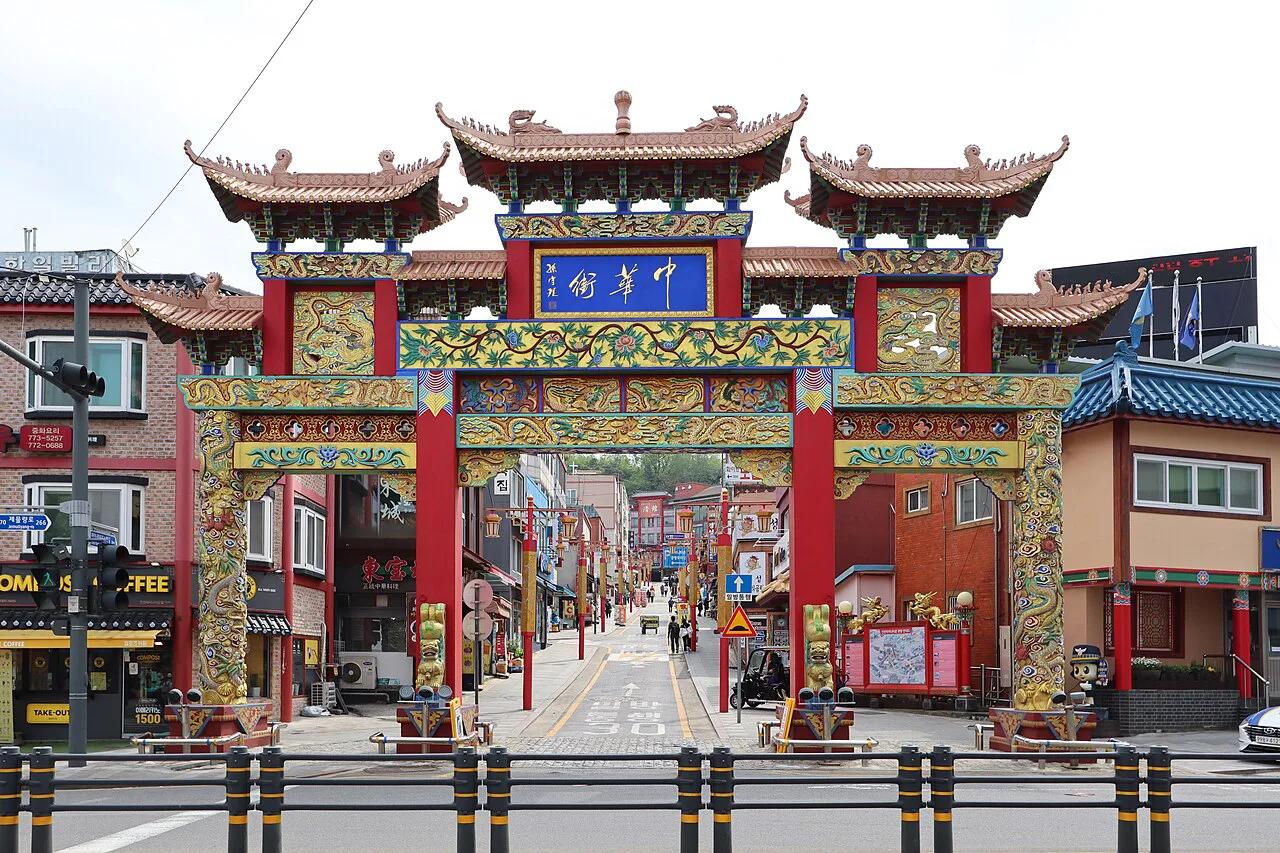
Featured image: Mobius6, CC BY-SA 4.0, via Wikimedia Commons.
Incheon Chinatown jjajangmyeon: where the dish began
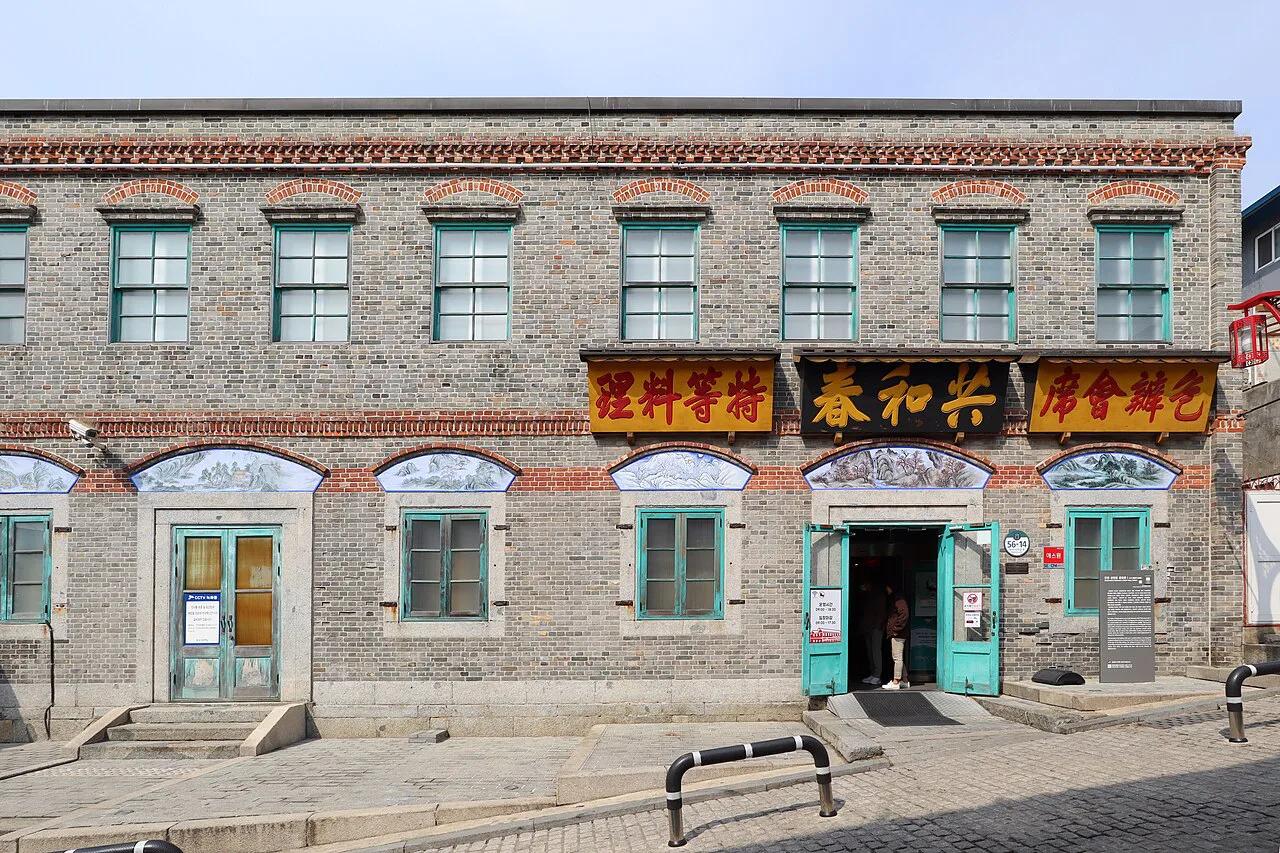
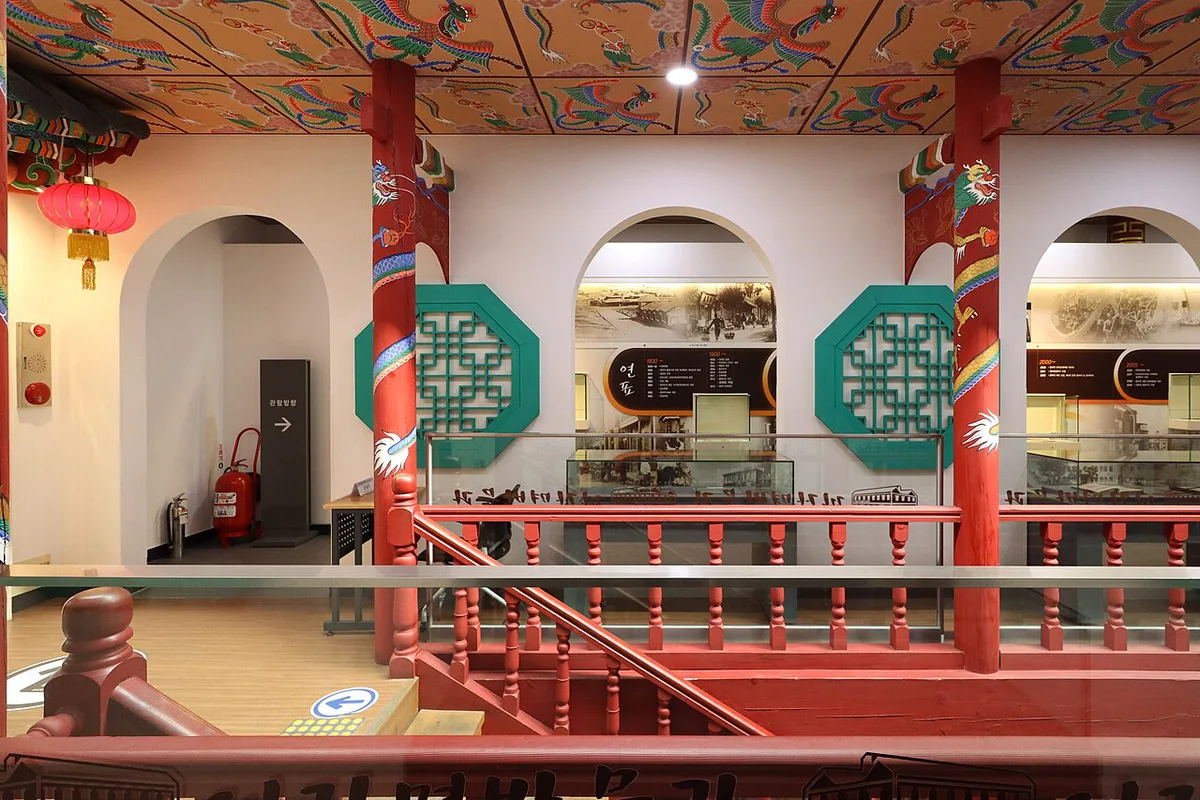
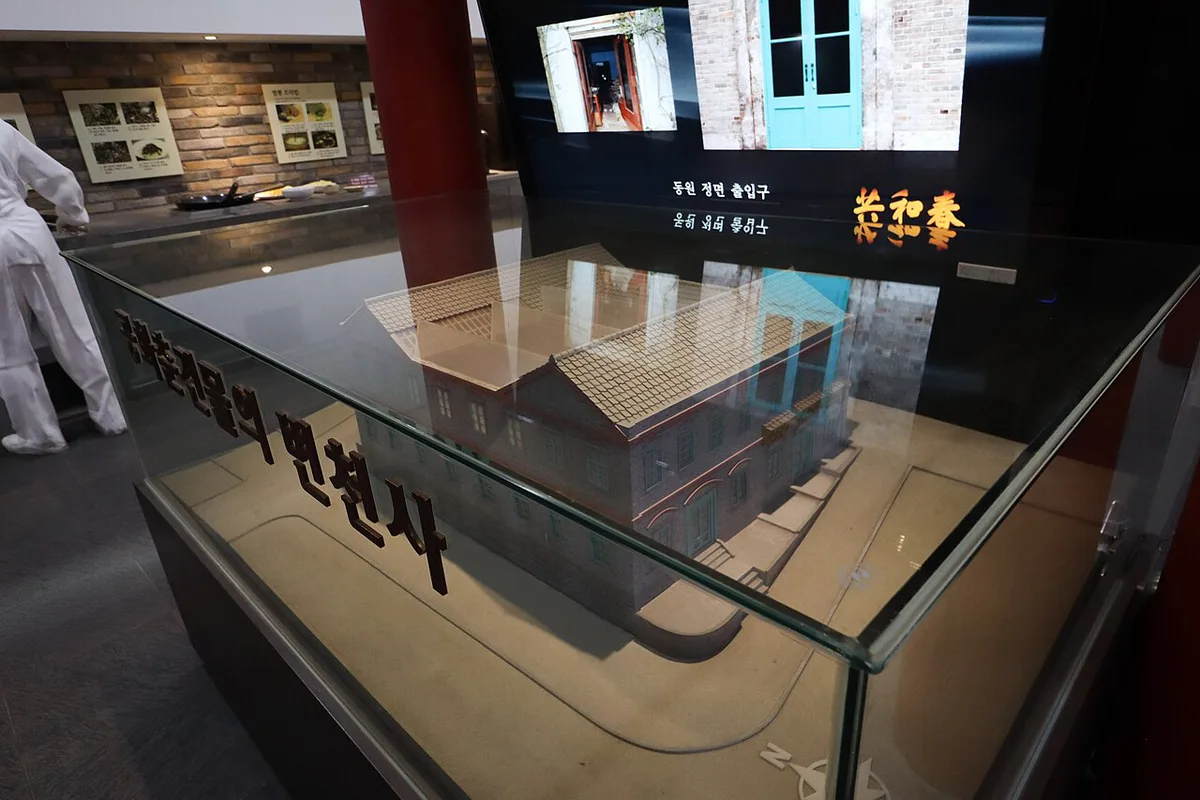
Incheon's port opened to foreign trade in 1883. Chinese merchants and labourers from Shandong settled around the harbour, and Chinatown grew up around them. Gonghwachun is widely credited as the first restaurant to serve jajangmyeon commercially in Korea, opening between 1905 and 1908. That original restaurant closed in 1983. Its building now houses the Jajangmyeon Museum, which tells the story of the dish. Koreans have since made jajangmyeon so much their own that few think of it as Chinese food. Incheon tourism pages describe the district's history and heritage listing.
Gonghwachun vs Sinseung Banjeom: how to choose
A restaurant trading under the Gonghwachun name opened nearby in the 2000s and presents itself as the successor. Descendants of the founding family dispute that claim. The founder's granddaughter, Wang Ae-joo, is reported to run Sinseung Banjeom close by. Sources disagree on who holds the true lineage, so choose by goal instead of by sign. Want the history in one stop? Eat at Gonghwachun beside the museum. Want the family-lineage story? Queue at Sinseung Banjeom. Either way, do not assume the restaurant with the Gonghwachun sign occupies the original building. The museum holds that.
Gonghwachun opened between 1905 and 1908, and the original site closed in 1983, so the sign alone proves little.
Five bowls compared
Chinatown's famous restaurants sit within a few streets of each other. Specialties below are widely reported, so ask staff what they are known for when you order.
| Restaurant | Bowl to try | Style | Best for | Queue risk |
|---|---|---|---|---|
| Sinseung Banjeom | Yuni-jjajang | Sauce served apart, fried egg | Family-lineage story | High, even on weekdays |
| Gonghwachun | Classic jajangmyeon | Course-style menu, beside museum | History first | High at weekend lunch |
| Yeon-gyeong | Savoury jajangmyeon, menbosha | Slightly charred, not sweet | A contrasting second bowl | High at weekend lunch |
| Mandabok | White baeknyeon jajang | Fermented, saltier | Comparing white and dark | Ask on the day |
| Junghwaru | Jjamppong | Spicy seafood soup | Heat instead of sweetness | Ask on the day |
- Want the history: Gonghwachun, after the museum.
- Want sweet versus savoury: Gonghwachun, then Yeon-gyeong.
- Want white jajang: Mandabok, which reportedly serves both white and dark sauce.
- Want spicy: Junghwaru for jjamppong.
Half-day route from Incheon Station
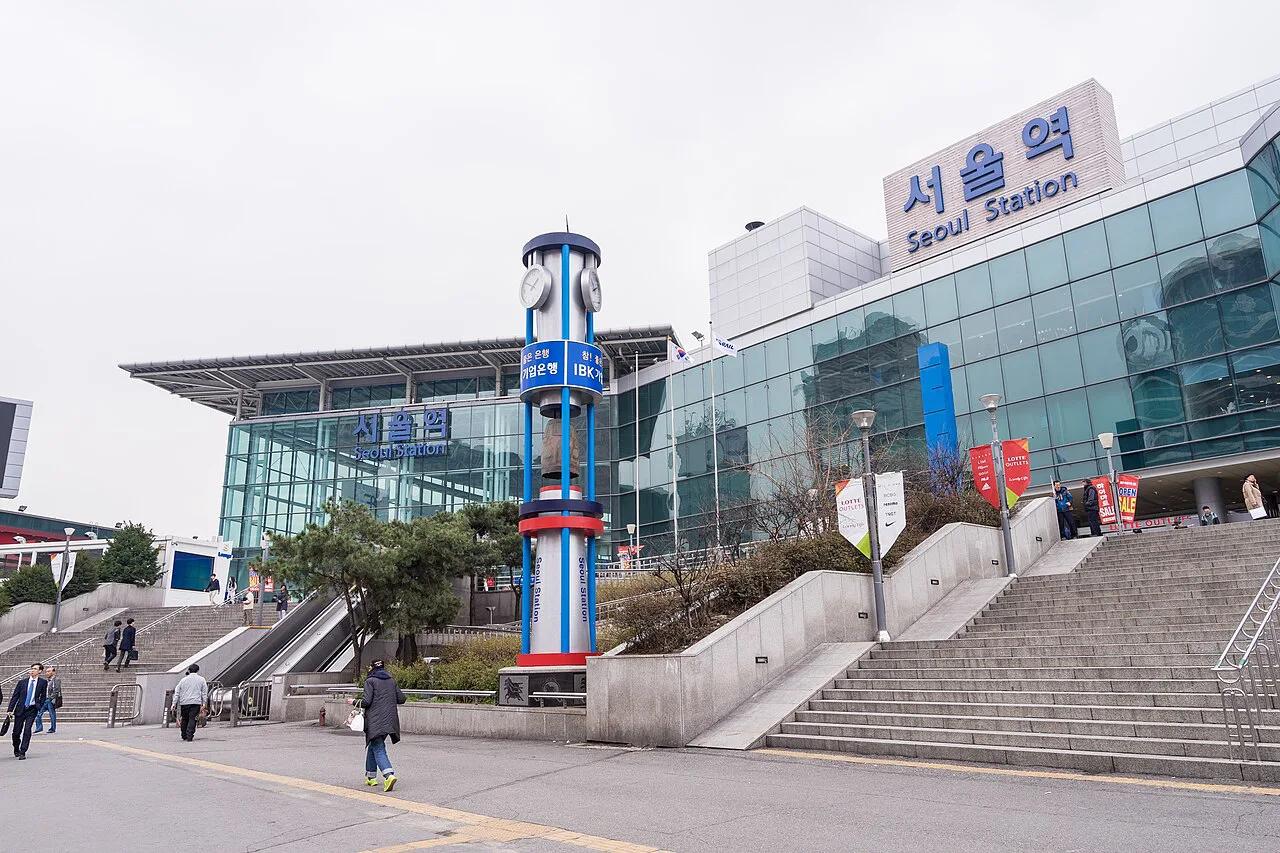
Take an all-stop Line 1 train to Incheon Station, the last stop. An express ends at Dong-Incheon one station earlier. The first pai-loo, Junghwaga, stands across the street from the station. Prices and hours checked November 2026. The Jajangmyeon Museum is at 56-14 Chinatown-ro and, per Korean museum notes, about 4 minutes on foot from Exit 1. It opens 09:00-18:00 with final admission at 17:30. Entry costs ₩500 for adults and ₩300 for teenagers and soldiers. Children enter free. It closes every Monday, and Korean museum notes add 1 January, Seollal and Chuseok. After the museum, eat lunch on the strip. Then climb to Freedom Park for a walk. Add Sinpo Market afterwards if you still have energy.
- Incheon Station and the Junghwaga pai-loo.
- Jajangmyeon Museum, allowing about an hour.
- Lunch on Chinatown-ro.
- Freedom Park walk.
- Optional: Sinpo Market.
Beat the queues
Weekend lunch brings the longest lines, typically between noon and 2pm. Sinseung Banjeom reportedly queues even on weekdays. Arriving before 11:00 or 11:30 shortens the wait, but it means jajangmyeon at 11am. A museum-first order solves that. Open at 09:00, spend an hour inside, then join the line around 11:00. A weekday visit beats any weekend arrival time. Smaller family-run places off the main strip serve the same core dishes with shorter waits. Avoid three mistakes: arriving at weekend noon, ordering a full spread alone, and skipping the museum's closing days.
Weekend lunch lines peak between noon and 2pm, and the museum stays open until 18:00, so a later museum visit fits.
Beyond jajangmyeon
Jjamppong is the spicy alternative, a red seafood noodle soup. Tangsuyuk is battered pork with a sweet and sour sauce, usually served on the side. Menbosha is a fried prawn toast, best shared. Jajangmyeon itself is not spicy. For market snacks, walk to Sinpo Market Incheon: What to Eat, How to Get There. Incheon's own sweet and spicy fried chicken has a guide at Sinpo Dakgangjeong: What It Is and Where to Buy It in Incheon. If you stay in Songdo, a modern dinner is easy in Songdo Restaurants: Where to Eat in Incheon's New City.
Getting there from Seoul and practical notes
Seoul's Line 1 runs to Incheon Station, roughly an hour from central Seoul depending on your starting stop. Visit Korea lists Incheon Chinatown visitor information for planning. Solo diners should order one bowl, because tangsuyuk and menbosha are sharing dishes. Vegetarian options are limited, since sauces are often pork or seafood based. Ask whether staff can omit the meat, but do not count on it. The Incheon-China Festival fills the district every June, centred on the Korea-China Cultural Center. Expect extra crowds then.
Frequently Asked Questions
How do you spell jajangmyeon in Korean?
It is written 짜장면 in Korean. English spellings vary, so you will also see jjajangmyeon and jajangmyun on menus and signs.
Does Seoul have a Chinatown?
Seoul's best-known Chinatown is in Incheon, not Seoul itself. Take Line 1 to Incheon Station, where the Junghwaga pai-loo stands across the street.
What food is Incheon famous for?
Jajangmyeon is the headline dish, followed by jjamppong and tangsuyuk. Incheon also has its own sweet and spicy fried chicken, dakgangjeong, sold around Sinpo Market.
Notes for your Korea trip
Optional updates to our city guides.
You might also like
Continue reading
More guides you'll find useful