Sinpo Market Incheon: What to Eat, How to Get There
Planning Sinpo Market in Incheon? What to eat, how to get there from Chinatown, when to go, and who should skip it.
On this page
Last updated November 2026. Sinpo Market, formally Sinpo International Market, is a traditional market in Sinpo-dong, Jung-gu, in Incheon's old port district. Most visitors treat it as a food stop, graze on dakgangjeong and fried snacks, then walk on to Chinatown.
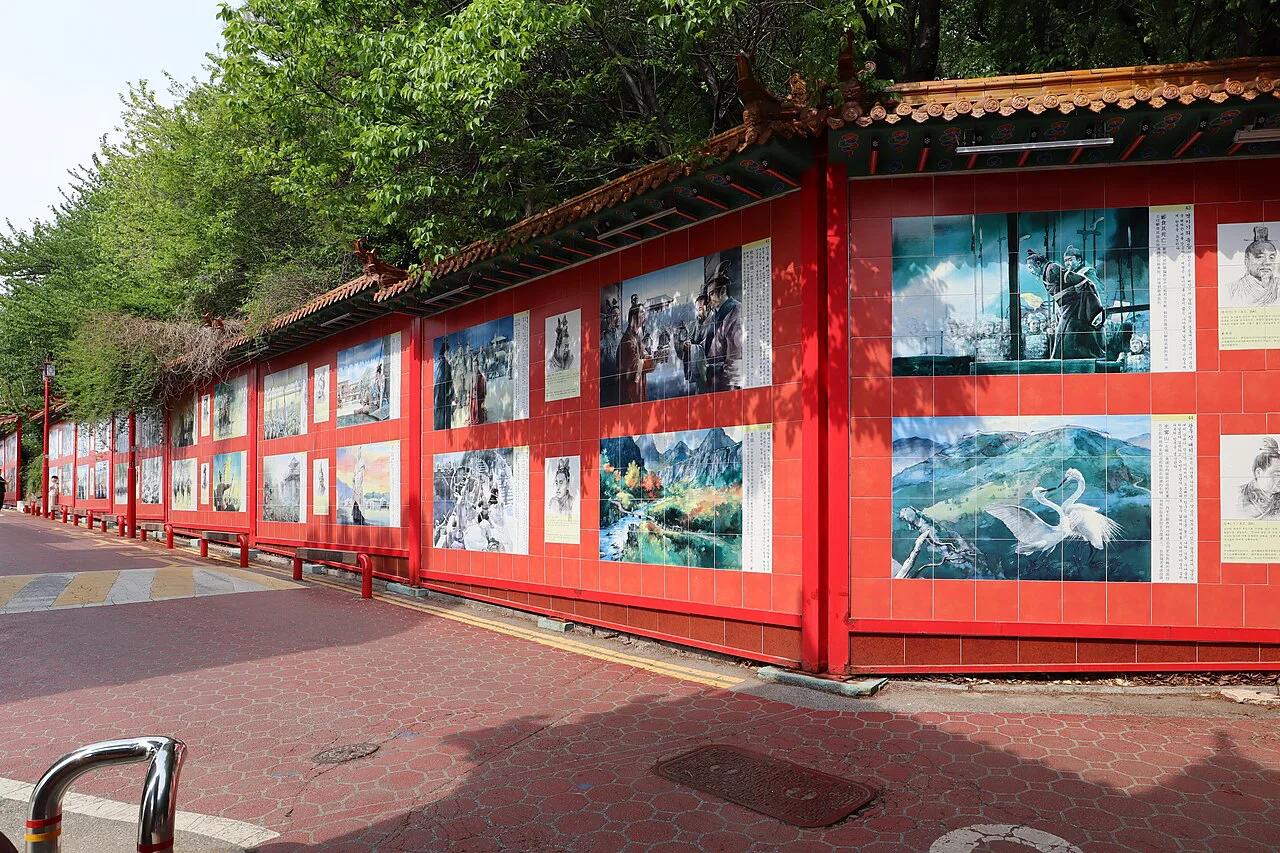
Featured image: Mobius6, CC BY-SA 4.0, via Wikimedia Commons.
Sinpo Market at a Glance
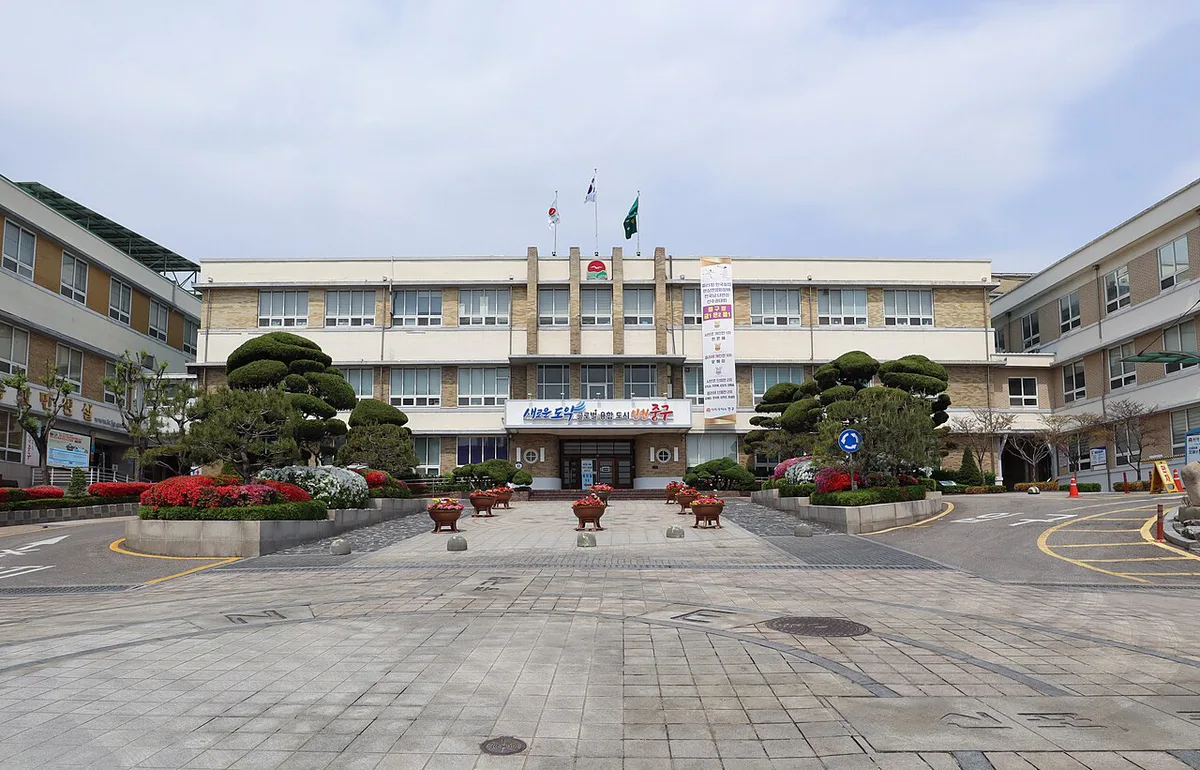
Sinpo is a local market first and a tourist stop second. Food is the draw, so go hungry and skip it if you want souvenirs. Sinpo-dong here is the Incheon neighborhood, not any port or town of the same name elsewhere. Chinatown is roughly a 20-minute walk away, so the two pair well in one outing.
- Best known for: dakgangjeong, sweet-spicy fried chicken with a sticky sauce
- Also look for: dumplings, steamed buns, jeon pancakes and oden skewers
- Pairs with: Incheon Chinatown, a roughly 20-minute walk
- Verdict: worth a half-day for food-focused travelers, a weak fit for a rushed schedule
What to Eat at Sinpo Market
Start with dakgangjeong. Lines form at the best-known shops, so join one early instead of saving it for last. Our guide to Sinpo's dakgangjeong covers the shops in more detail. Order a small portion and share it, because fried chicken fills you fast. Next, move to steamed buns and dumplings, which travel well in a paper bag. Jeon pancakes and oden skewers come last. Both are best eaten hot, standing at the stall. At the counter, point at what you want and hold up fingers for quantity. Ask for takeaway packing if you plan to eat it later on a bench.
- First: dakgangjeong, shared between two or more people
- Second: dumplings and steamed buns
- Third: jeon pancakes and oden skewers
- Save for later: anything fried you can carry to Chinatown
How to Get to Sinpo Market
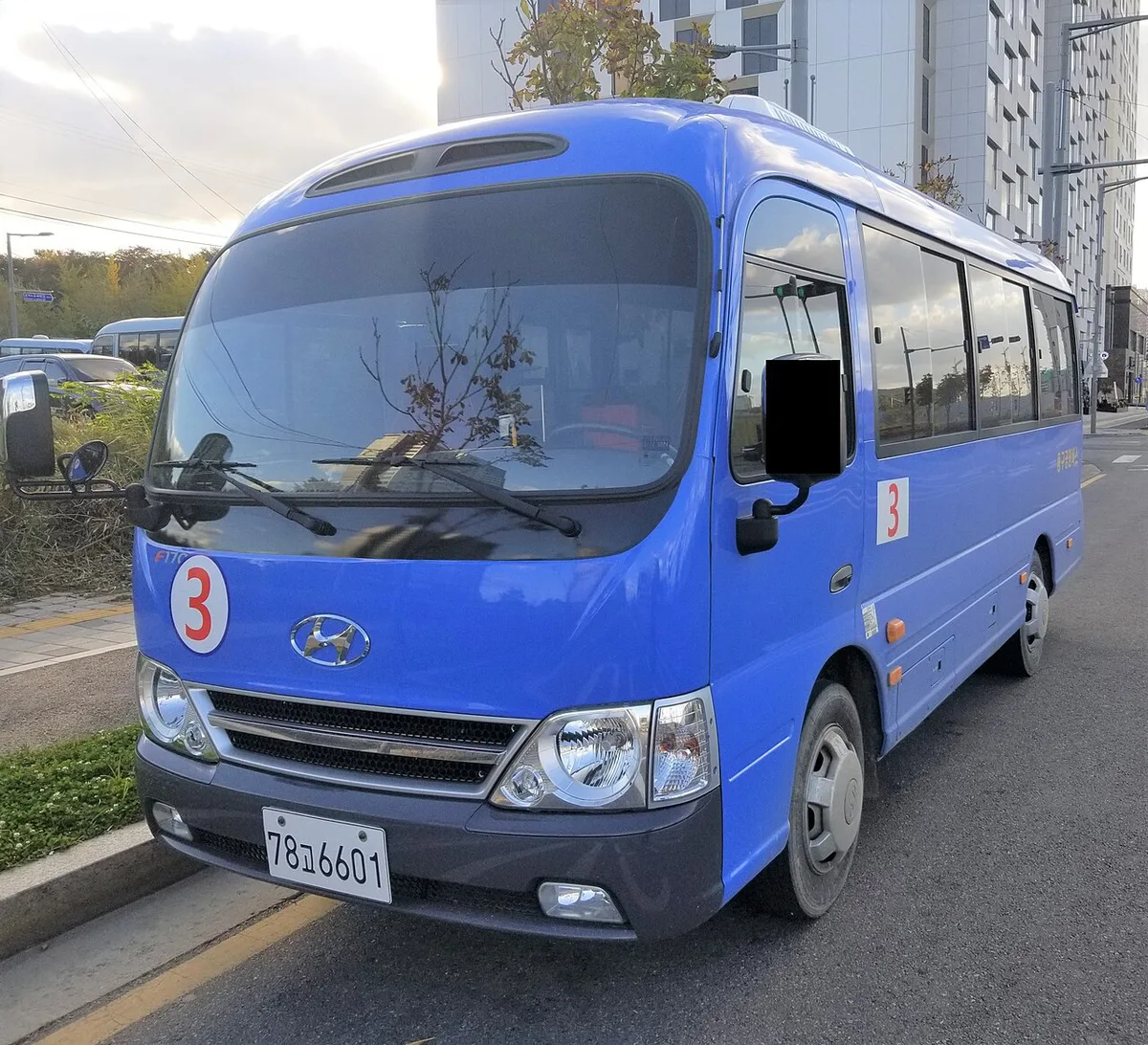
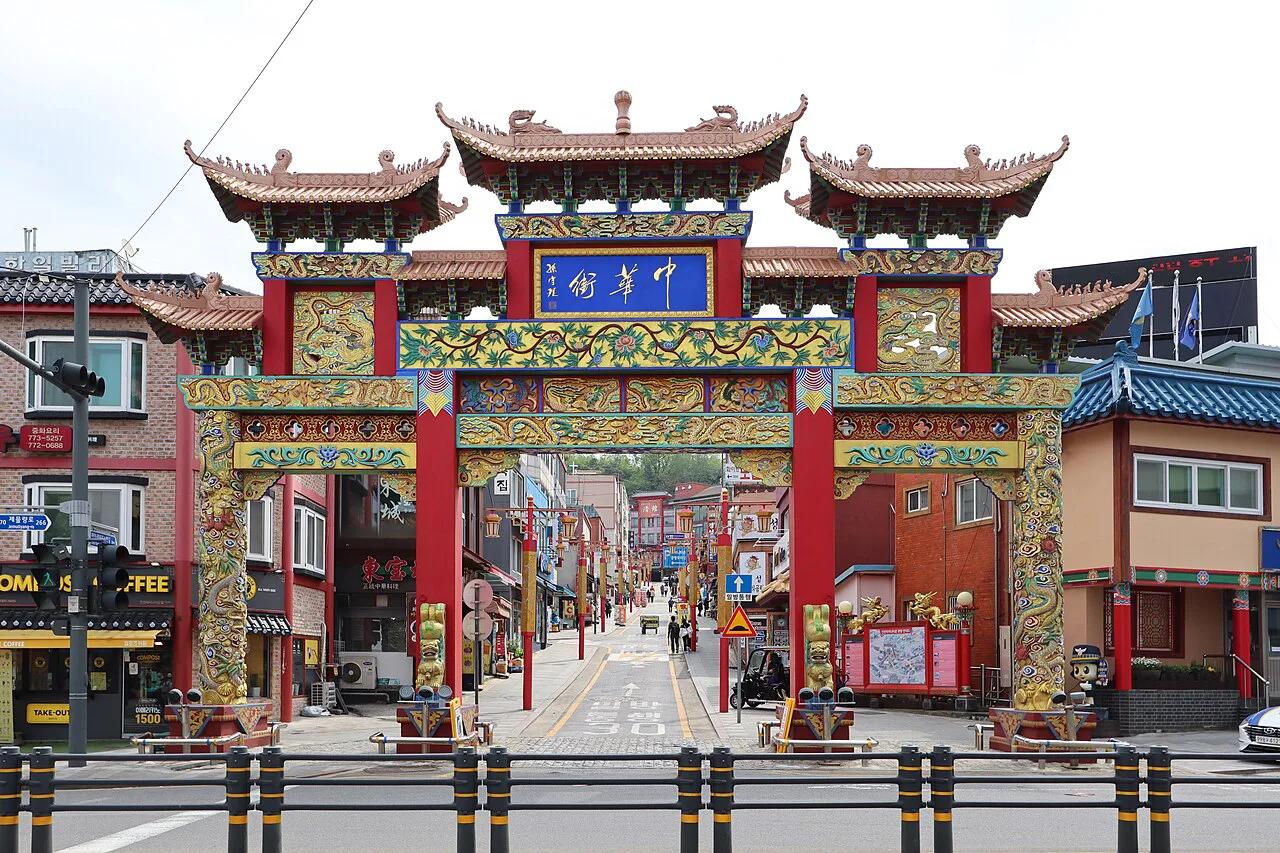
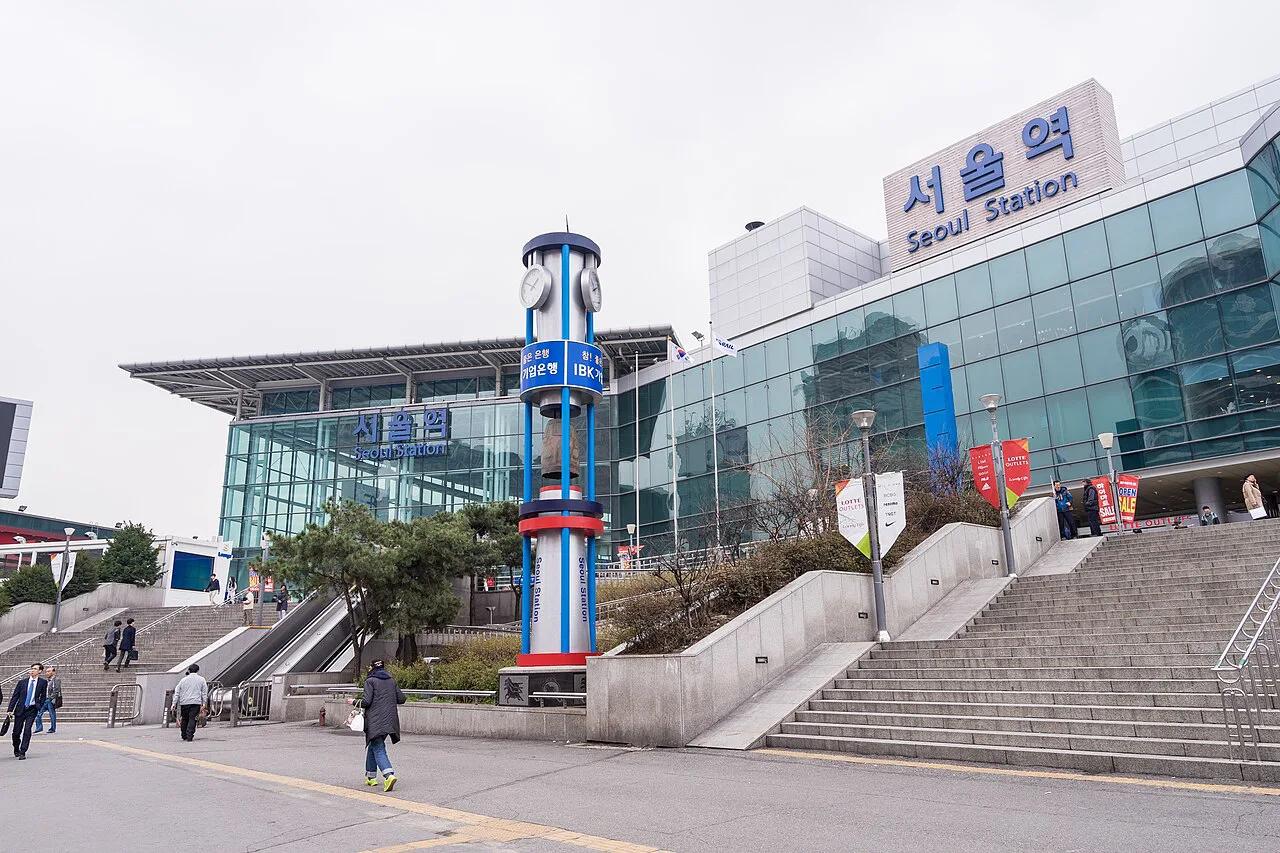
The most reliable rail route runs to Incheon Station, the last stop on Seoul Metro Line 1. Take an all-stop train, because an express line ends at Dong-Incheon Station just before it. Outside Incheon Station, the first Chinatown pai-loo, Junghwaga, stands right across the street. From that gate, walk through Chinatown and on toward Sinpo-dong. Allow roughly 20 minutes on foot. Some visitors also reach the market through Dongincheon Station. Check the subway operator's map for the nearest exit, because station names and walking routes are easy to confuse. A taxi from Chinatown is a simple fallback when you carry bags.
Sample 2-3 Hour Route: Chinatown to Sinpo Market
Treat Sinpo as the second half of a Chinatown walk. Begin at the Junghwaga gate across from Incheon Station. Jajangmyeon Museum, at 56-14 Chinatown-ro, runs daily 09:00-18:00 and closes every Monday. Final admission is 17:30. Eat a light bowl of noodles first, or skip it and save appetite for Sinpo. Our guide to jjajangmyeon in Chinatown lists where to sit down. Then walk toward Sinpo-dong and begin grazing.
- Hour 1: Chinatown gate, main street and the Jajangmyeon Museum
- Hour 2: walk to Sinpo-dong and join the dakgangjeong line
- Hour 3: dumplings, jeon and oden, then a coffee stop before returning
- Return: retrace the walk to Incheon Station, or take a taxi if you are full
When to Go, Hours and Crowds
Weekday mornings are calmer. Weekends and lunchtime bring the longest dakgangjeong lines, so arrive before noon if you can. Hours vary stall by stall. Many shops open mid-morning, while food stalls and restaurants tend to run later. Arrive with time to spare rather than aiming for a single closing time. Rain is manageable here, since lanes are narrow and you can duck into shops. Expect crowded lanes and limited seating on busy days.
Jajangmyeon Museum's final admission is 17:30, so a late start at Sinpo leaves no time for it.
Costs and Payment
Prices and hours checked November 2026. Street food here sits at budget snack level, and a shared grazing lunch costs far less than a sit-down meal in Chinatown. Read the price board at each stall before ordering, since sizes and sauces change the total. Carry some cash in small bills. Many small stalls prefer it, while larger shops and restaurants may take cards. If you add the Jajangmyeon Museum, adults pay ₩500 and teenagers and soldiers pay ₩300. Children enter free. For current city information, browse Incheon city tourism pages.
Is Sinpo Market Worth It? Who Should Skip It
Go if you want to eat. Skip it if your time is short or you want a polished tourist market. The table sets out who should go and who should not.
With under 1 hour, the 20 minutes on foot from Chinatown leaves little room for a second stop.

| Visitor type | Verdict | Reason |
|---|---|---|
| Food-focused traveler | Go | Dakgangjeong, dumplings and fried snacks within a few lanes |
| Chinatown day-tripper | Go | Easy add-on, roughly a 20-minute walk |
| Souvenir shopper | Skip | Food and everyday goods dominate |
| Visitor with under 1 hour | Skip or shorten | Stick to one dakgangjeong stop |
| Anyone needing English menus | Plan ahead | Signage may be Korean only; a translation app helps |
Where to Eat Next in Incheon
Sinpo and Chinatown cover Incheon's old-port food in one loop. For wider planning, browse Incheon's wider food scene. Newer districts feel very different. Songdo's modern restaurants offer a polished contrast to Sinpo's market lanes. For national planning, Visit Korea lists events and regional information.
Frequently Asked Questions
What are Korean markets called?
Traditional markets are called sijang (시장). Sinpo International Market follows that pattern, and its Korean name is 신포국제시장.
What are some famous markets in Korea?
Most Korean cities have their own sijang. In Incheon, Sinpo International Market is the one known for dakgangjeong. Pair it with Chinatown for an easy food day.
Notes for your Korea trip
Optional updates to our city guides.
You might also like
Continue reading
More guides you'll find useful