Daegu Yangnyeongsi Herbal Medicine Market Guide
Plan a visit to Daegu's yangnyeongsi herbal medicine market: the free museum, hours, what to buy, customs cautions and who should skip it.
On this page
Last updated November 2026: this guide covers the Daegu yangnyeongsi herbal medicine market in Jung-gu, a centuries-old trading street for traditional Korean herbal medicine. Seoul has a separate market with a similar name, so confirm the city before you plan around it. Daegu's version suits curious walkers and slots neatly into a day of Daegu shopping.
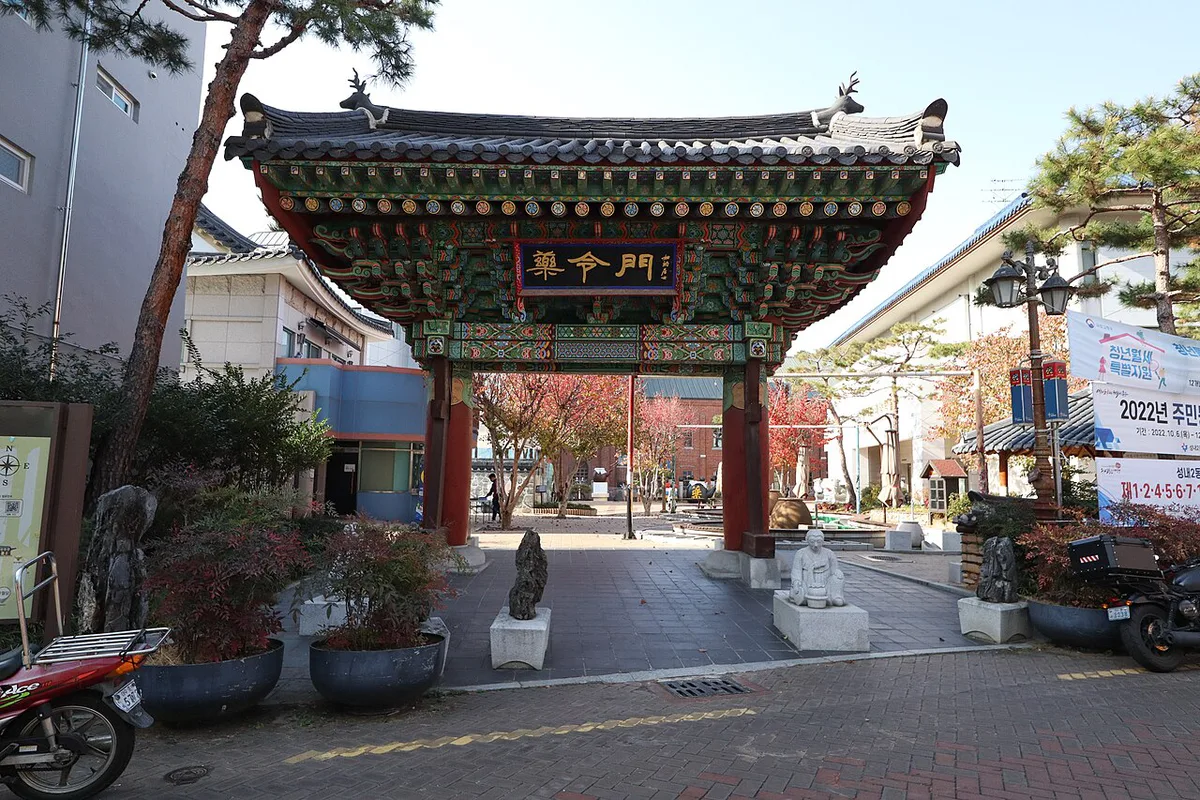
Featured image: Mobius6, CC BY-SA 4.0, via Wikimedia Commons.
What the Daegu Yangnyeongsi Herbal Medicine Market Is (and Isn't)
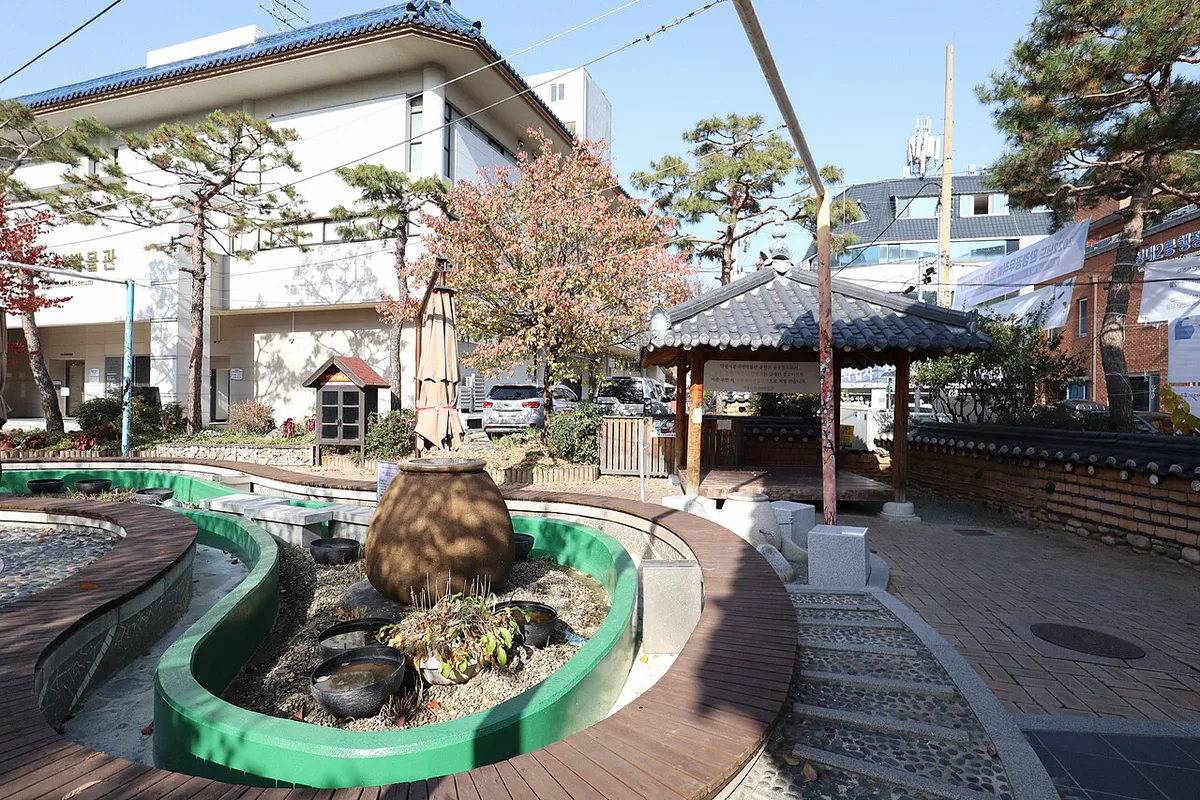
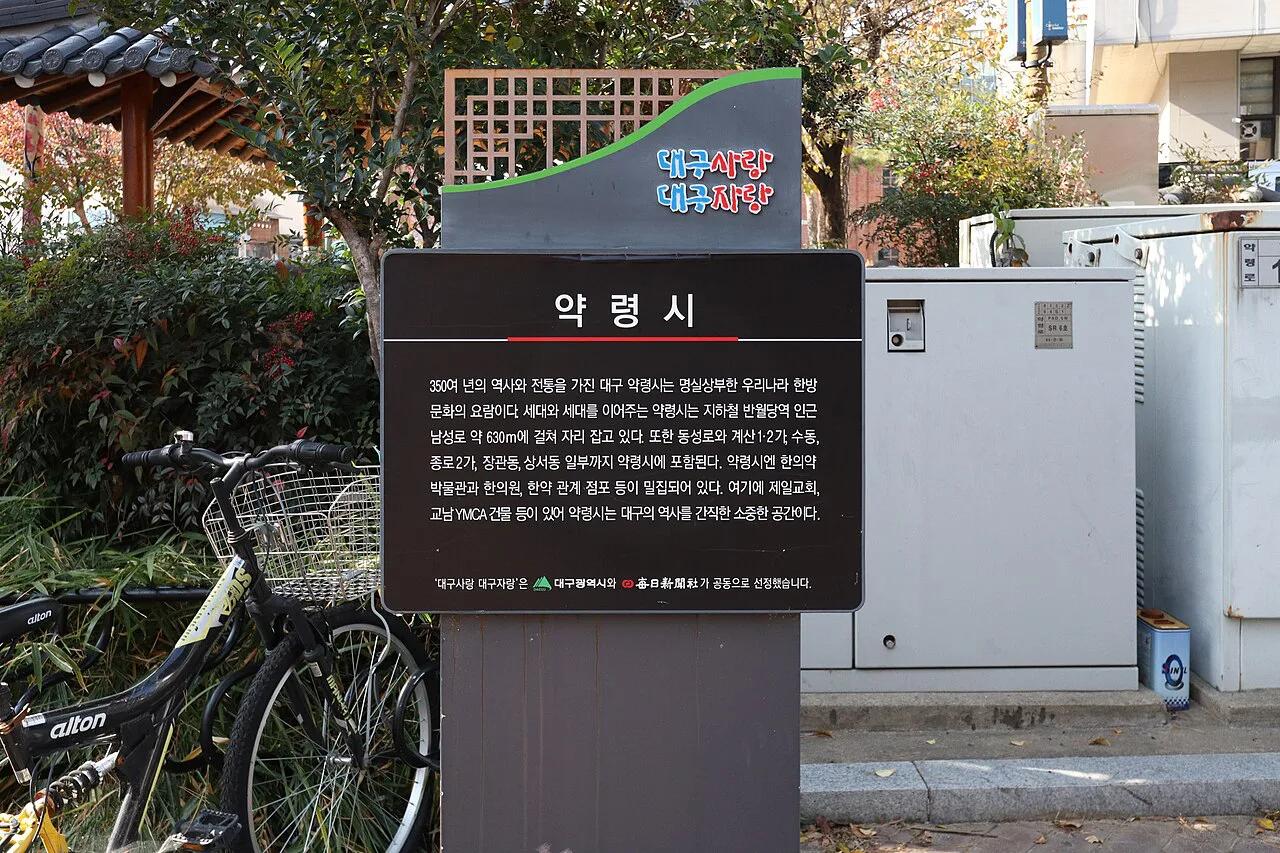
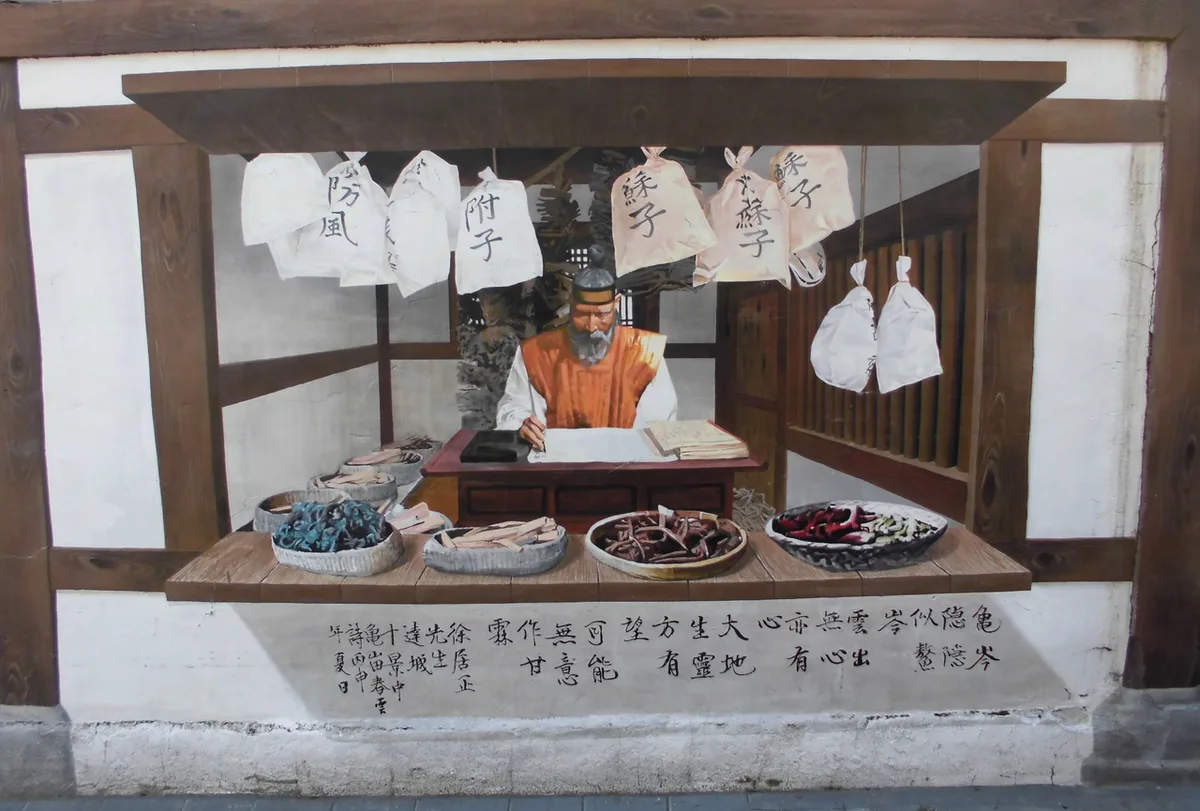
Yangnyeongsi is a Korean term for a herbal medicine market, and several cities have one. Daegu's sits in Jung-gu and has traded in traditional Korean herbal medicine (hanyak) for centuries. It works as a trading street, not a polished attraction. Expect shops selling dried roots, bark and other raw ingredients, alongside traditional medicine clinics. Seoul's market is a different place, so do not mix up the two when you read other guides. Daegu's market suits travelers who like to watch how a working district operates. It does not suit anyone expecting souvenir stalls, English menus or a ticketed experience. Think of it as a short, sensory stop within a longer Daegu day.
What to See and Do
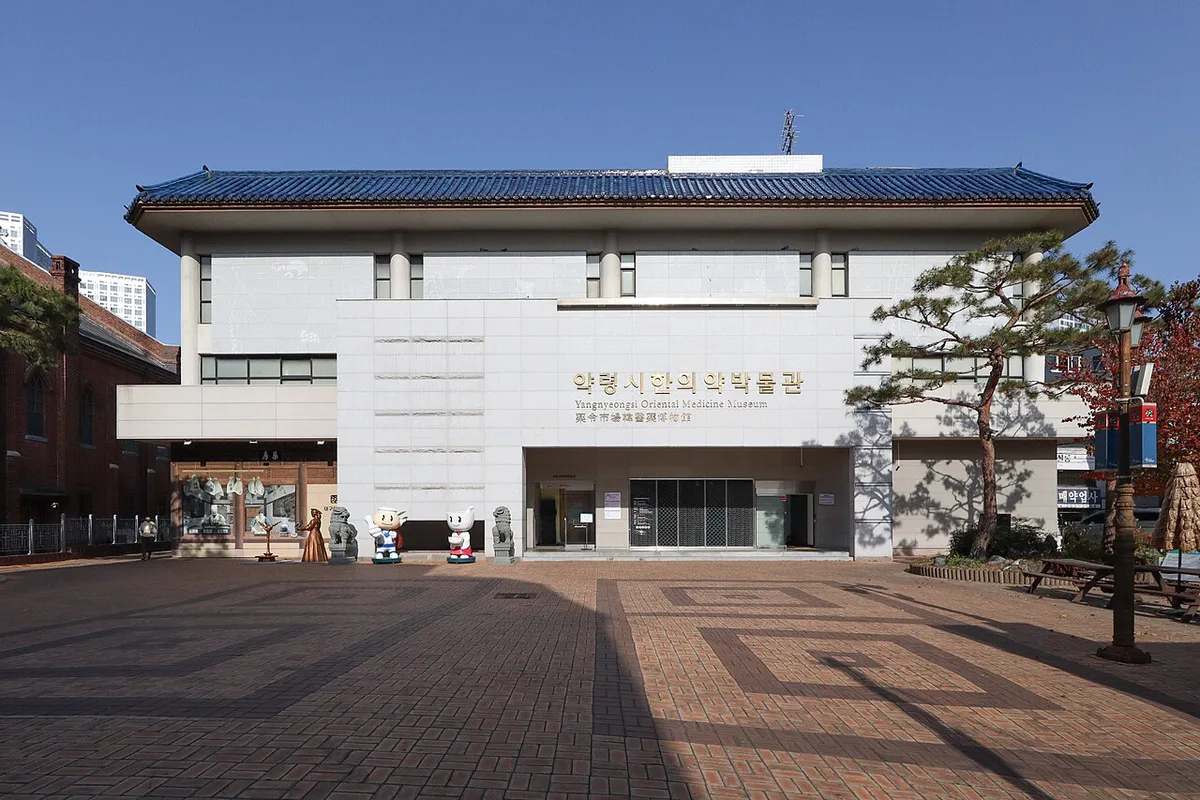
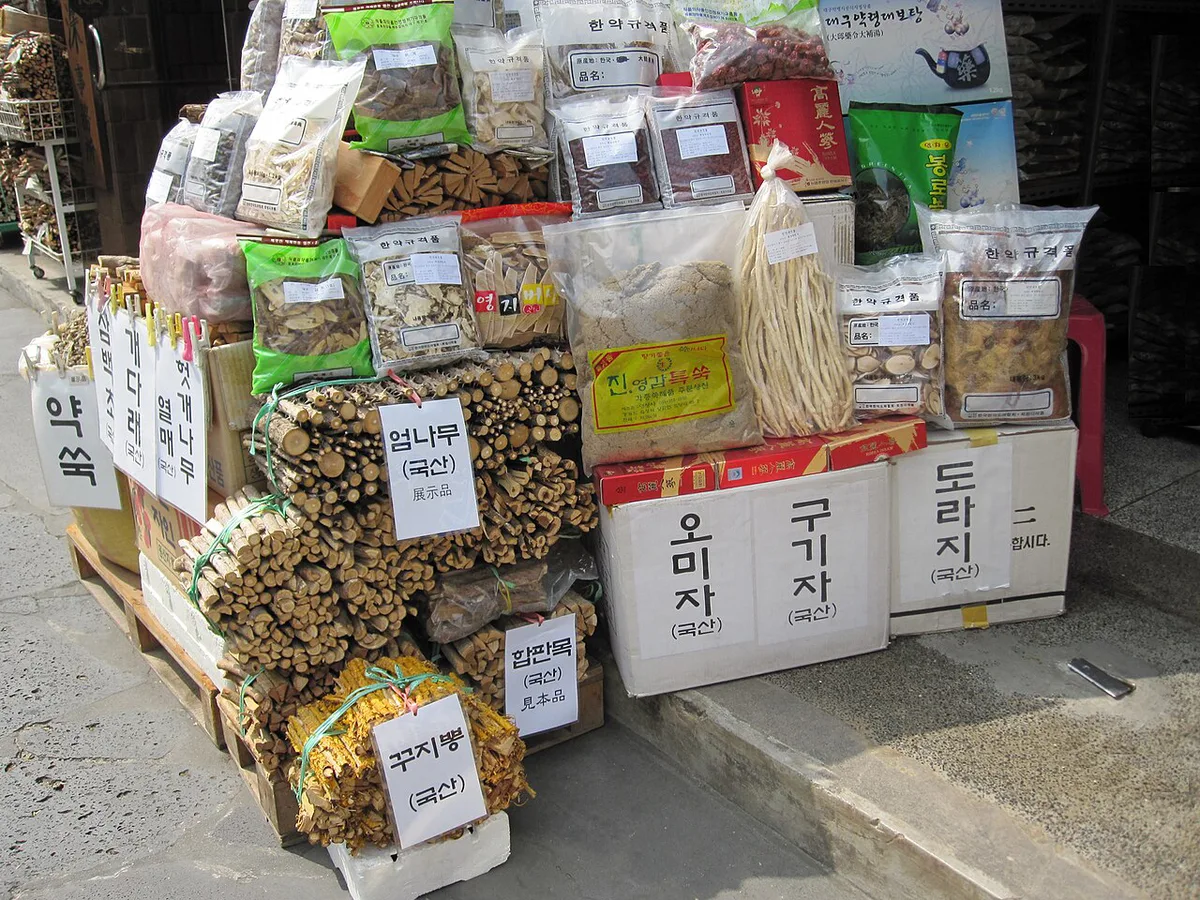
Start with the street itself. Shop fronts stack sacks and trays of dried herbs, and the smell of roots and bark is strong. Browsing costs nothing. Looking is welcome, but photographing people or counters without asking is poor manners. The best single stop is the Daegu Yangnyeongsi Oriental Medicine Museum at 49, Dalgubeol-daero 415-gil, Jung-gu. Admission is free, and it explains the tradition behind what you see on the street. Visit it first and the stalls make far more sense. A casual visitor can realistically buy packaged herbal tea or small sealed goods. Leave consultations and custom prescriptions to people who speak Korean or bring an interpreter.
- Walk the street and look at raw herbs, roots and bark.
- Visit the free museum at 49, Dalgubeol-daero 415-gil.
- Ask before photographing counters or staff.
- Buy only small, clearly labeled packaged items.
Hours, Closing Days and How Long to Spend
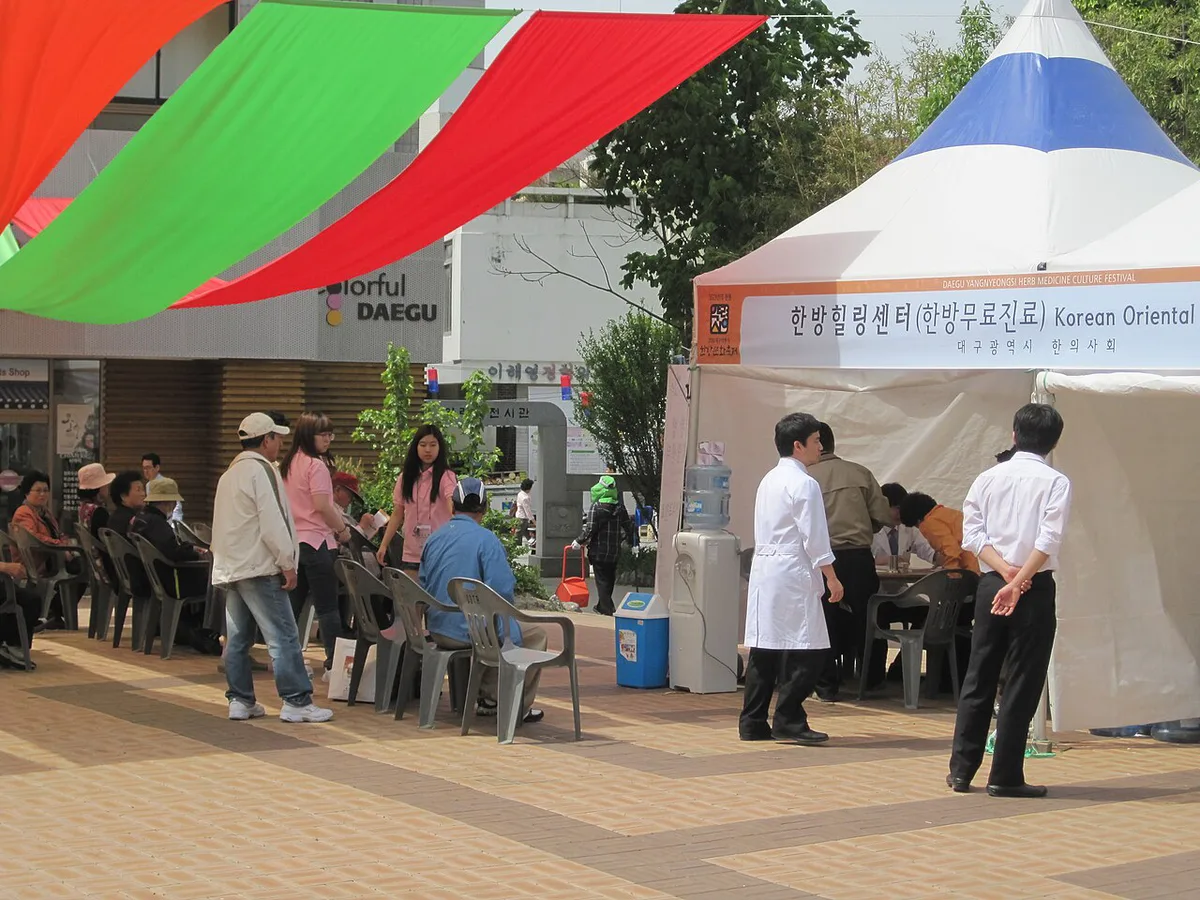
The museum opens 9:00 AM to 6:00 PM, with last admission 30 minutes before closing. That means a final entry at 5:30 PM. It closes every Monday, though it stays open when Monday is a public holiday. It also closes on January 1, Lunar New Year's Day and Chuseok. Individual shops set their own hours, so plan the museum as your fixed anchor. As rough guidance, a quick walk-through of the street takes about 30 minutes. Add the museum and a slower wander, and an hour or more is comfortable. Mornings suit the museum and give you the most daylight to browse. Skip Mondays if the museum matters to you.
Costs and Buying Tips
Browsing the street and the museum costs nothing. Money comes into play when you buy teas, packaged goods or a consultation. Prices and hours were checked November 2026, but individual shop prices are not posted in advance. Ask the price before anything is weighed or packed. That one habit prevents most overspending. Buy small amounts, because raw herbs are sold by weight and a bag adds up quickly. Treat any claim that a herb cures a condition with caution. Nothing here is medical advice, and a pharmacist or doctor at home is the right person to ask. Customs is the other trap. Rules on carrying herbal products differ by country and by ingredient. Check your home country's customs authority before you pack anything, and see the Visit Korea official site for general travel information.
Buying packaged tea adds 15 minutes to a visit, so leave room for it if the museum's 5:30 PM last entry is close.
- Ask the price first, every time.
- Buy small quantities of tea or packaged goods.
- Ignore cure claims; this is not medical advice.
- Check your home customs rules before packing herbs.
Browse, Buy or Skip: A Quick Decision Table
Use this table to match the visit to your goal. Time estimates are rough guidance, not posted figures.
| Your goal | What to do | Time needed | Caution |
|---|---|---|---|
| See the district | Walk the street and look at the herbs | About 30 minutes | Strong smells; ask before photographing |
| Learn the background | Visit the free museum | About 30 to 60 minutes | Closed Mondays; last entry 5:30 PM |
| Take something home | Buy packaged tea or a small sealed item | Add 15 minutes | Ask the price first; check customs rules |
| Get a consultation | Only with an interpreter or Korean speaker | Varies | Language barrier; pressure to buy |
Getting There and Combining with Other Stops
Use the museum address, 49, Dalgubeol-daero 415-gil, Jung-gu, Daegu (postcode 41934), in a taxi or map app. For the wider city, the Daegu Metropolitan City English site is a useful starting point. The market pairs well with other Jung-gu shopping. For a general market day, try Seomun Market Daegu: Food, Shopping & Visit Tips. For an evening alternative, head to Seomun Night Market Daegu: Hours, Food & How to Go. For modern retail, Dongseongno Shopping Street, Daegu: What to Buy, Eat and Skip has a pedestrian-only section of about 900 m. It lies within a public-transport-only zone of 1.05 km. The Dongseongno Tourist Information Center, at 435 Jungang-daero, opens 10:00 AM to 7:00 PM and offers luggage storage. That helps if you want to browse herbs and shops hands-free. Most shops on Dongseongno set their own hours. Return to the Daegu shopping guide to plan the full route.
Dongseongno's Tourist Information Center runs 10:00 AM to 7:00 PM, an hour past the museum's 6:00 PM close.
Who Should Skip It
Skip the market if you have one short day in Daegu and want headline sights. Skip it if strong smells bother you. Skip it if you want a polished, English-friendly experience with posted prices. If you only want the background, visit the free museum and leave the street for another trip. Everyone else gets a quick, low-cost look at a working trading district.
Notes for your Korea trip
Optional updates to our city guides.
You might also like

Continue reading
More guides you'll find useful