
Cheongna Hill in Daegu: Missionary Houses and 90 Steps

Last updated November 2026. Cheongna Hill is an ivy-covered rise in Jung-gu where early 1900s American missionary houses still stand among old trees. This Cheongna Hill Daegu visitor guide covers hours, cost, directions and what to look at once you arrive.
According to Visit Korea, the hill is open 24 hours and free to enter. It also works as the first stop of Daegu's Modern Culture Alley walk, so it pairs well with a half-day in the old center.
Cheongna Hill Daegu Visitor Guide Basics
The name means green ivy hill, after the ivy that missionaries planted on their houses in the early twentieth century. According to Korean Wikipedia, the missionaries Adams and Johnson bought the land in 1898 and founded a hospital and a school here.
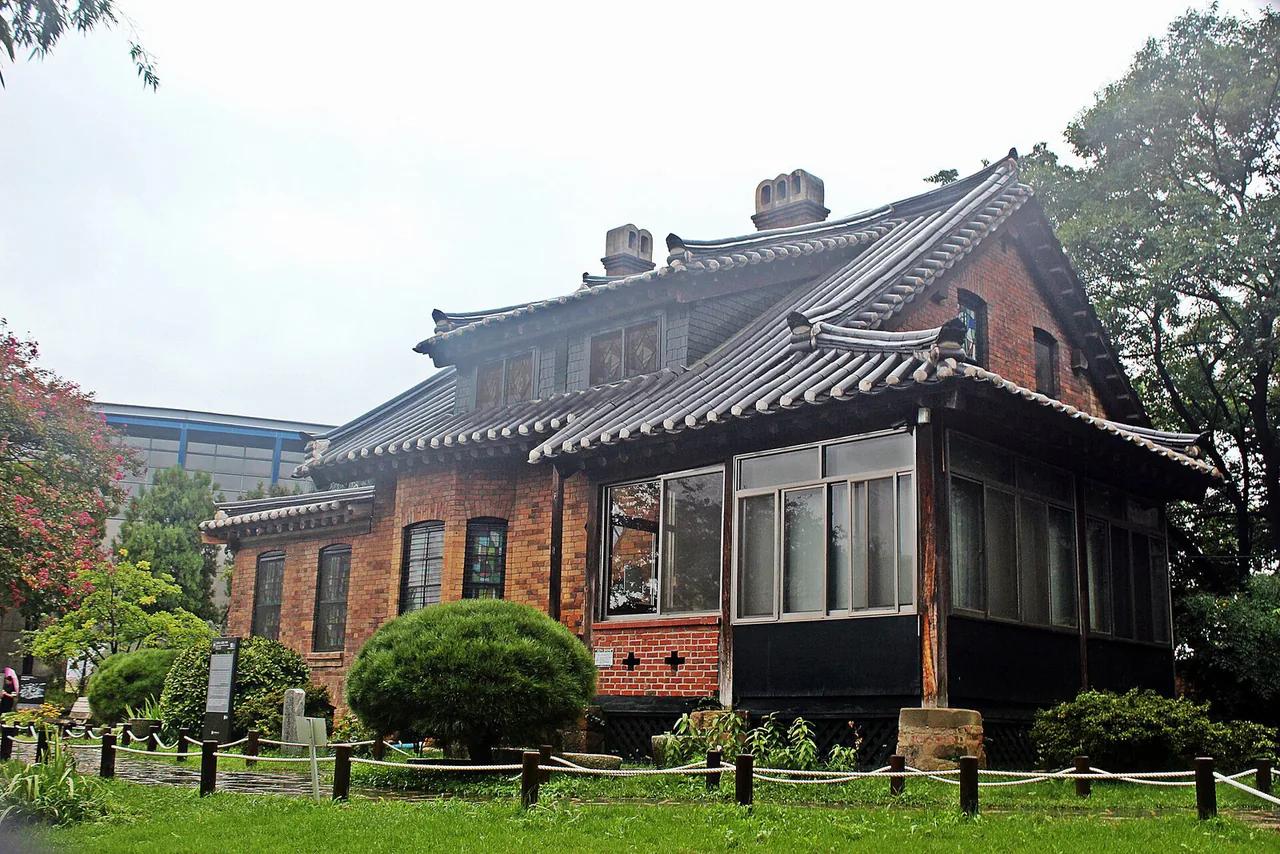
Three of their houses survive today and now serve as small museums. They are the Sweets House (Mission Museum, Daegu Tangible Cultural Heritage No. 24), the Chamness House (Medical Museum, No. 25) and the Blair House (Education and History Museum, No. 26).
The hill also holds a stairway tied to Daegu's independence protest of March 8, 1919. So a visit mixes quiet garden paths with a clear piece of local history.
Tickets and Opening Hours
According to Visit Korea, Cheongna Hill is open 24 hours and has no closing days, so it is open all year round. The same source lists free admission, which means the adult price is ₩0.
Daegu's own tourism site agrees on the hours, listing no restriction on visiting times for the hill.
The two official sites list different addresses. Visit Korea gives 2029 Dalgubeol-daero, Jung-gu, Daegu, while Daegu Tour gives 56 Dalseong-ro, Jung-gu, Daegu.
Both point to the same hill beside Keimyung University Dongsan Medical Center, so a map search for Cheongna Hill by name is the safest way to navigate.
No official source we checked confirmed hours or fees for the three missionary-house museums, so none are given here. The Daegu Tourist Information Center, on 053-627-8986, can tell you what is open.

What to See on Cheongna Hill
The hill packs the missionary houses, a historic stairway and several garden corners into a small area. The list below covers each, with details drawn from Korean Wikipedia.
Museum interiors are the one part we cannot promise, because opening times were not confirmed. A search summary also says the Blair House interior is currently closed, so treat its exterior as the main draw.
- Sweets House and the Mission Museum
- This red-brick house mixes Korean tiles with Western style and holds the Mission Museum.
- It is Daegu Tangible Cultural Heritage No. 24, designated on June 15, 1989, per Korean Wikipedia.
- Chamness House and the Medical Museum
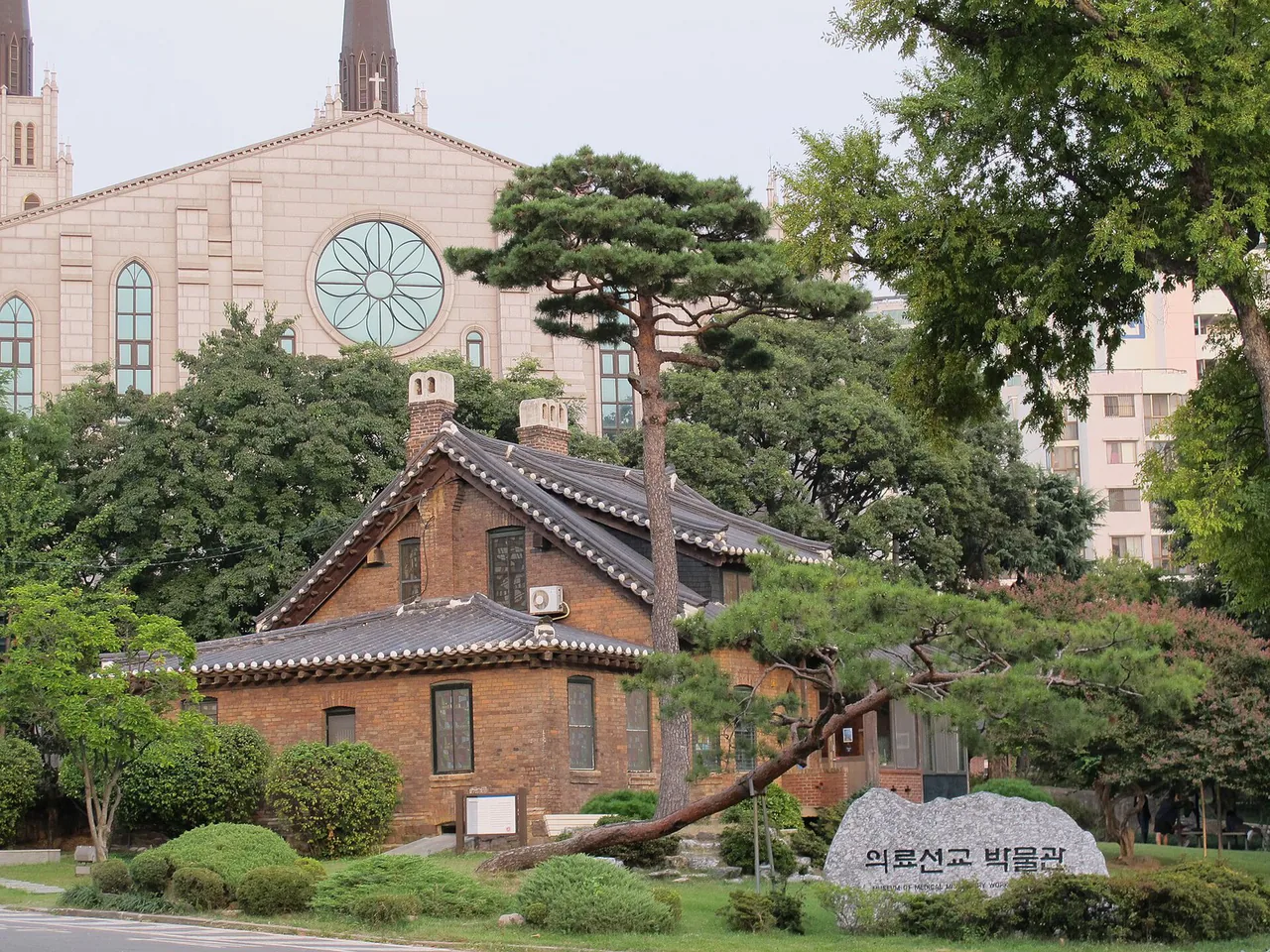
- The Chamness House (Daegu Tangible Cultural Heritage No. 25) now holds the Medical Museum, with Daegu First Church rising behind it.
- It recalls the hospital that the early missionaries founded on this land.
- Blair House and the Education Museum
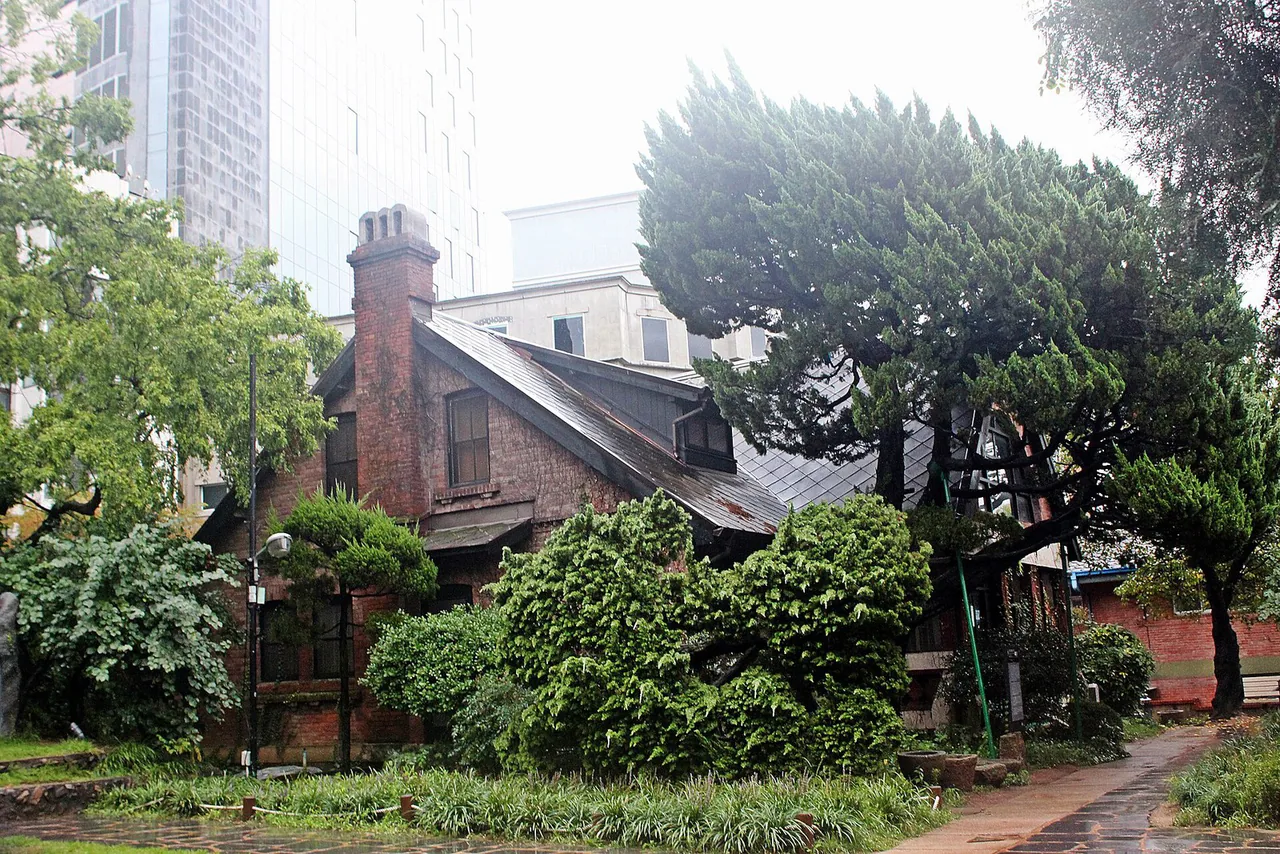
- The Blair House (No. 26) is the Education and History Museum, set among dense trees and shrubs.
- Do not count on going inside, since its interior is reported closed.
- March First Movement Road
- This 90-step stairway follows the route of Daegu's independence protest of March 8, 1919.
- Period photos line the steps, which makes the climb a short history lesson.
- Apple Tree, Eunhye Garden, and Bell Tower
- Johnson brought apple trees from the United States in 1899. The second-generation tree, designated Daegu protected tree No. 1 in 2000, died in 2018, and a third-generation tree grows beside it.
- Eunhye Garden is the missionaries' cemetery, and a centennial bell tower and a monument to "Dongmu Saenggak", described as Korea's first art song, stand on the hill.
Getting There
The simplest route is the metro. The nearest station is Cheongna Hill station, on Daegu Metro Lines 2 and 3, and Seomun Market station on Line 3 is the other close option.
City buses also stop nearby at Eldis Regent Hotel, Maeil Shinmun and Seongmyeong Girls' Middle School. We have no verified walking times or exit numbers, so follow the station signs and a map app for the final stretch.
For drivers, Daegu Tour points to the Dongsan Medical Center south-gate car park, at ₩1,700 for the first hour and ₩300 per 10 minutes after that.
For a wider look at the city before you go, browse our Daegu attractions guide.

Planning Your Visit and the Alley Walk
Cheongna Hill starts Jung-gu's Modern Culture Alley route, which covers about 1.64 km in around 2 hours, according to Daegu Tour. Along the way the route passes Gyesan Cathedral, the old houses of Yi Sang-hwa and Seo Sang-don, the herbal medicine market and Jin Alley.
If you want more than the hill, walk on to Gyesan Cathedral and continue along the route.
Daegu Tour's course listing mentions free guided tours on Saturdays at 10:00 and 14:00. Since that listing is a search summary, confirm the schedule with the tourist information center before building a day around it.
Korean Wikipedia also says the hill was picked as one of Korea's 100 scenic spots (대한민국 구석구석 100경), and that part of NewJeans' "Ditto" music video was filmed here. For another easy city walk with a different mood, try Kim Kwang-seok Street on a second afternoon.
Frequently Asked Questions
What is Cheongna Hill known for?
Its early-1900s American missionary houses, now small museums, the 90-step March First Movement Road and its ivy-covered walls and gardens. It is the first stop of Daegu's Modern Culture Alley tour.
Is Cheongna Hill open all the time?
Yes. Visit Korea lists the hill as open 24 hours with no closing days and free admission, and Daegu's tourism site lists no restriction on visiting hours. Opening hours of the museums inside the missionary houses were not confirmed.
How do I get to Cheongna Hill?
The nearest metro stations are Cheongna Hill station on Lines 2 and 3 and Seomun Market station on Line 3.
What are the 90 steps at Cheongna Hill?
The March First Movement Road, a 90-step stairway on the route of Daegu's independence protest of March 8, 1919. Photos from the time line the steps.
What museums are on Cheongna Hill?
The Mission Museum in the Sweets House, the Medical Museum in the Chamness House and the Education and History Museum in the Blair House, all Daegu Tangible Cultural Heritage sites.
Is there parking near Cheongna Hill?
Daegu's tourism site points to the south-gate car park of Keimyung University Dongsan Medical Center: ₩1,700 for the first hour, then ₩300 per 10 minutes.
How long is the Modern Culture Alley walk that starts at Cheongna Hill?
About 1.64 km, taking around 2 hours, past Gyesan Cathedral, the old houses of Yi Sang-hwa and Seo Sang-don, the herbal medicine market and Jin Alley.
Cheongna Hill offers free admission, old missionary houses and a stairway tied to a key day in Daegu's history. Arrive by metro, keep your museum plans flexible, and ask the tourist information center about guided tours.
If time allows, continue along the Modern Culture Alley for a fuller picture of old Daegu.
For more Daegu planning, read our 10 Best Things to Do in Daegu: Routes, Costs & Tips (2026), Best Time to Visit Daegu: Month-by-Month Guide and Anjirang Gopchang Alley, Daegu: How to Eat There (Guide) guides.