
Daegu National Museum: Hours, Free Entry and How to Visit

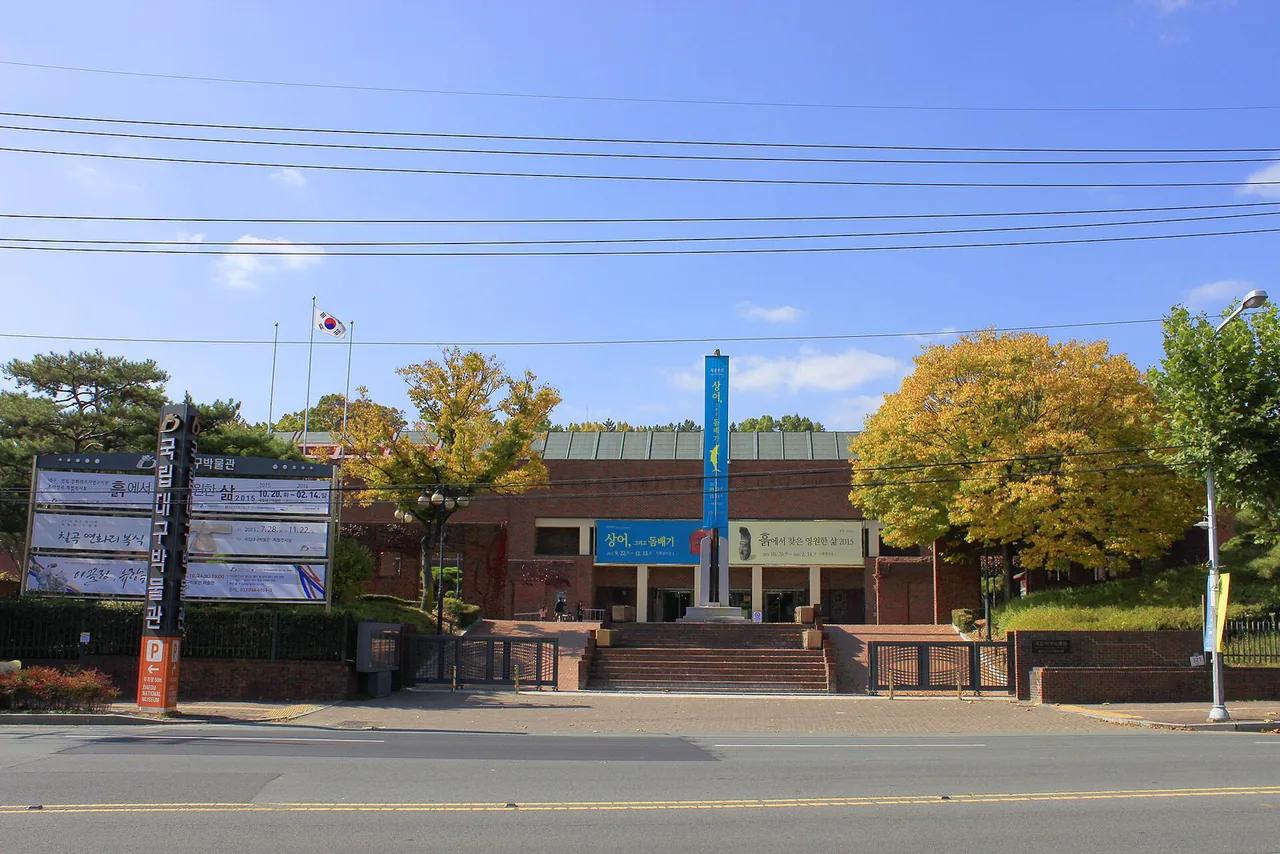
Last updated November 2026. Daegu National Museum is a branch of the National Museum of Korea in Hwanggeum-dong, Suseong District. It opened on December 7, 1994. This Daegu National Museum visitor guide covers hours, free admission, bus directions and what to look for inside and out.
The collection holds about 30,000 artifacts, mostly archaeological finds from Daegu and North Gyeongsang Province. Permanent galleries cost ₩0, so the real planning questions are the Monday closure and the bus transfer from the subway. We checked details against a Ministry of Culture listing, Daegu Tour and Wikipedia, and we flag every place where they disagree.
Daegu National Museum Hours and Admission
According to a Ministry of Culture listing, the museum opens Tuesday to Sunday from 09:00 to 18:00 and closes on Mondays. According to Daegu Tour, the city's tourism site, admission to the permanent galleries is free, so the adult price is ₩0. Neither source gives a price for special exhibitions, which may charge a separate fee.
One conflict is worth knowing about before you plan an evening visit. Daegu Tour still shows older hours, with weekends and holidays running to 19:00 and some late openings until 21:00. The newer Ministry listing gives 09:00 to 18:00, so we treat 18:00 as the safe closing time.
We could not load the museum's own website while researching this guide. Check daegu.museum.go.kr for holiday closures and last-entry rules before you travel.
- Opening Hours
- Open Tuesday to Sunday from 09:00 to 18:00, according to the Ministry of Culture listing.
- Admission
- Permanent exhibitions cost ₩0 for adults, according to Daegu Tour, while special exhibitions may charge separately.
- Address
- The museum sits at 321 Cheongho-ro in Suseong District, Daegu, in the Hwanggeum-dong area.
- Closed Days
- Mondays are closed, so plan around Tuesday through Sunday and confirm any holiday closures online.
Getting There
The nearest subway stop is Manchon station on Daegu Metro Line 2. Leave by exit 3, then transfer to a city bus for the final stretch to the museum. Korean Wikipedia lists routes including Sunhwan 3, 349, 449, 524 and Suseong 1.
Other listed routes are Sunhwan 3-1, 234, Suseong 1-1, Suseong 3 and Suseong 3-1. Bus routes can change, so confirm current routes in a Korean map app before you leave the station. The bus step is the part visitors tend to overlook, so allow extra time on your first trip.
Drivers get free on-site parking, according to Daegu Tour. Daegu Tour counts 155 spaces (21 large, 134 small), while Korean Wikipedia says 184, so treat the numbers as approximate. Spaces can run short, and public transport is the recommended choice.

What to See Inside the Museum Halls
The permanent displays center on three halls. The Ancient Culture Hall, Medieval Culture Hall and Textiles and Clothing Hall reopened on July 19, 2010 after a refit. Two newer additions, a children's museum and a digital art zone, round out the visit.
Special exhibitions rotate through the building over the year. Check the museum's website for current shows and whether a particular one charges admission.
- Ancient Culture Hall
- Archaeological finds from Daegu and North Gyeongsang Province make up the core of the roughly 30,000 artifacts.
- Medieval Culture Hall
- This hall focuses on Buddhist and Confucian culture, a good match for travelers who plan temple visits nearby.
- Textiles and Clothing Hall
- The clothing hall was revamped again in December 2023 and centers on traditional Korean dress and textiles.
- Children's Museum
- Themed on Korean dress, the children's museum reopened on December 19, 2023, which suits families with young kids.
- Digital Art Zone
- A digital art zone opened in May 2020 and offers a screen-based break from the artifact cases.
Outdoor Grounds and Hands-On Programs
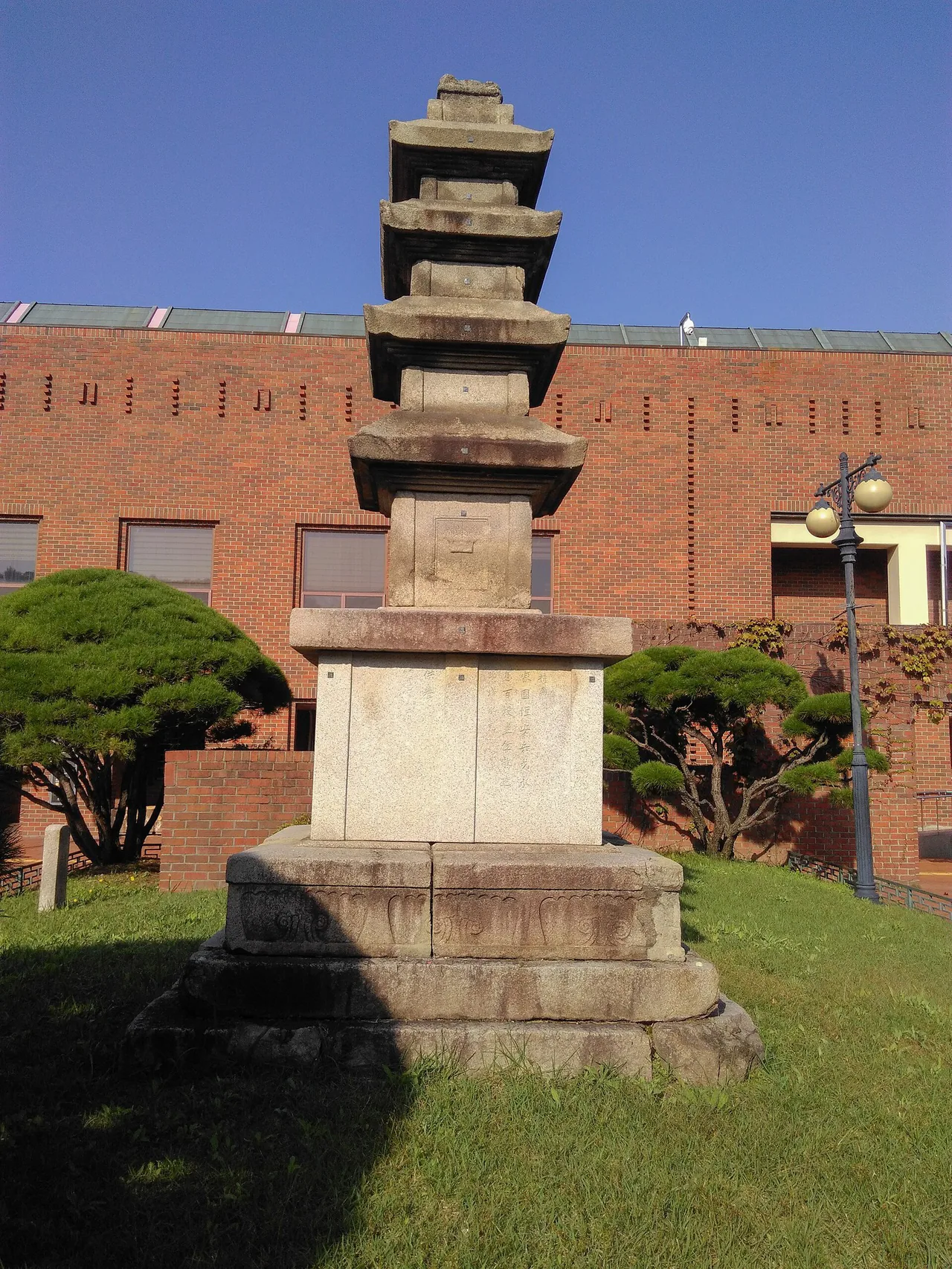
Outside, the lawn displays the five-story stone pagoda from the Jeongdosa temple site, listed as Treasure 357. Photos show the early-Goryeo pagoda standing in front of the museum's brick wall.
Dolmens, stone-cist tombs and a pottery kiln exhibit also sit in the grounds. These pieces show burial and craft traditions at full scale rather than behind glass. Weather matters here, so save the outdoor loop for a dry day.
The museum also runs hands-on programs such as petroglyph printing and rubbings. We found no published schedule, so check the museum website before you plan around them. Daegu's tourism site says interpreters for English, Japanese and Chinese can guide on duty days or for booked foreign groups.
We could not confirm English signage in every gallery. If language matters to you, the interpreter service is worth asking about on arrival.

How Long to Spend and Mistakes to Avoid
No source we checked gives a standard visit length. Allow extra time if you plan to join a hands-on program or bring children to the children's museum.
Holiday closures can differ from the normal Monday rule. Confirm exact dates on the official site before you commit a day to the trip.
- Arriving on a Monday
- The museum is closed Mondays, and the Ministry listing shows Tuesday to Sunday only, so build your plan around that.
- Trusting Old Closing Times
- Older listings show weekend hours until 19:00 or 21:00, but the newer Ministry listing says 18:00.
- Skipping the Bus Step
- Manchon station is only the first leg, so check the current bus number before you leave exit 3.
- Expecting Fixed Program Times
- We found no published times for rubbings or petroglyph printing, so ask before building your day around them.
Pairing the Museum With Other Daegu Stops
The museum lies in Suseong District, so Suseong Lake is a nearby option for a second stop. Check a map app for the current route.
For more art after the archaeology, the Daegu Art Museum offers a contemporary counterpart to the museum's archaeology.
If the Buddhist displays caught your interest, Donghwasa Temple is another stop for Buddhist culture.
Frequently Asked Questions
Is Daegu National Museum free?
Yes. Admission to the permanent exhibitions is free.
What are the opening hours of Daegu National Museum?
Tuesday to Sunday, 09:00 to 18:00. It is closed on Mondays.
What can you see at Daegu National Museum?
The Ancient Culture Hall, Medieval Culture Hall (Buddhist and Confucian culture) and the Textiles and Clothing Hall, plus special exhibitions, a children's museum and a digital art zone. About 30,000 artifacts are held, mostly from Daegu and North Gyeongsang.
How do I get to Daegu National Museum by subway?
Take Line 2 to Manchon station, leave by exit 3 and transfer to a city bus such as Sunhwan 3, 349, 449, 524 or Suseong 1 to the museum.
Is there parking at Daegu National Museum?
Yes, parking is free. Spaces can run short, so public transport is recommended.
What is outside the museum building?
The grounds hold the five-story stone pagoda from the Jeongdosa temple site (Treasure No. 357), dolmens, stone-cist tombs and a pottery kiln exhibit.
Are there English-language tours?
Daegu's tourism site says cultural tourism interpreters (English, Japanese, Chinese) can guide on the days they are on duty or for booked foreign groups.
Daegu National Museum rewards a short, well-timed visit, with free permanent galleries and a stone pagoda on the lawn. Remember the Tuesday to Sunday schedule, check the official site for holiday closures, and allow time for the bus transfer at Manchon station.
For more ideas, browse our guide to Daegu attractions and build the rest of your trip. Pick a day between Tuesday and Sunday, and your museum stop should run smoothly.
For more Daegu planning, read our 10 Best Things to Do in Daegu: Routes, Costs & Tips (2026), Best Time to Visit Daegu: Month-by-Month Guide and Anjirang Gopchang Alley, Daegu: How to Eat There (Guide) guides.