
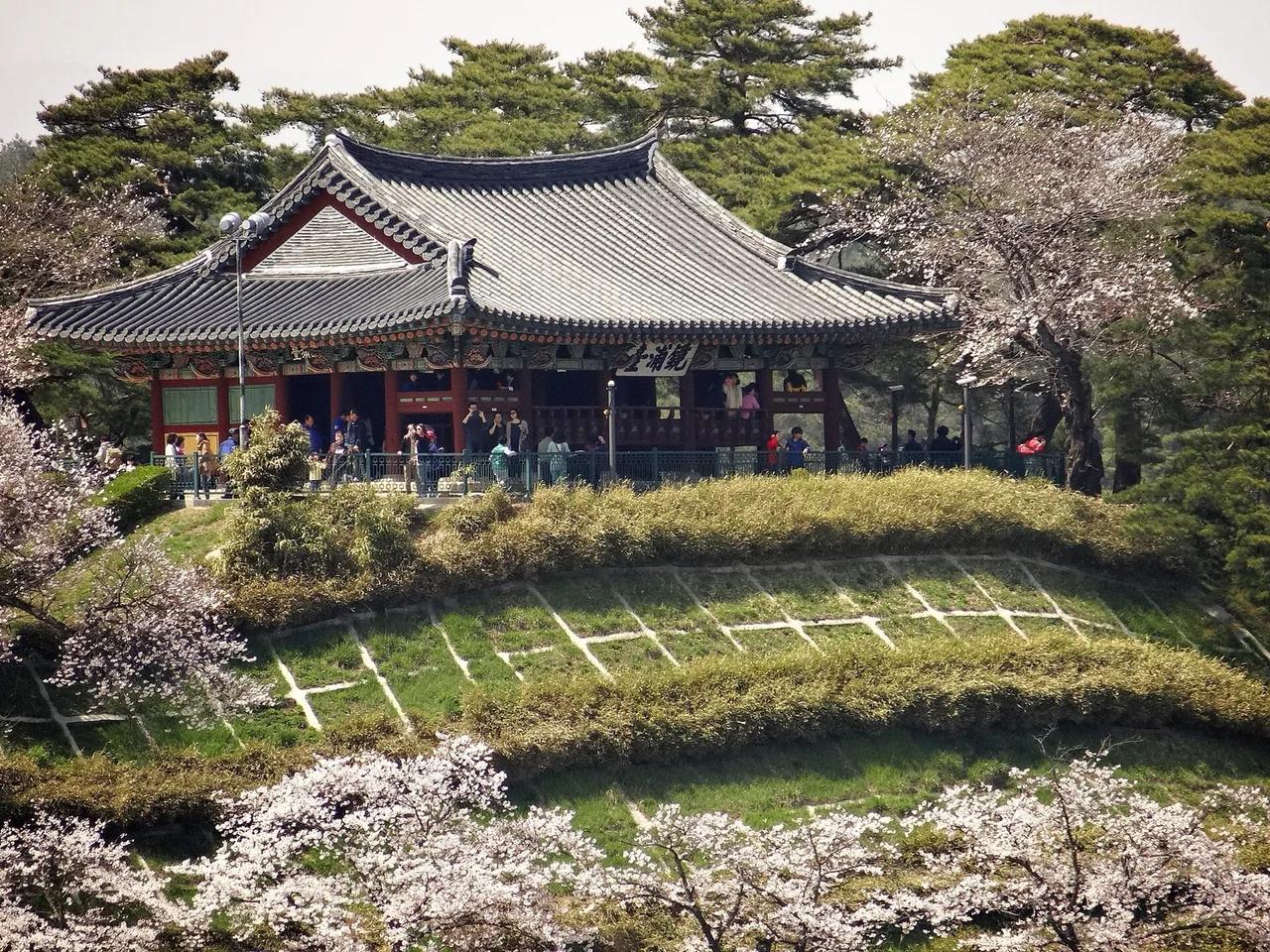
Gyeongpodae Pavilion in Gangneung: Hours, Cost and Bus Access

Last updated November 2026. Gyeongpodae Pavilion in Gangneung is a Joseon-era hilltop pavilion that looks over Gyeongpo Lake toward Gyeongpo Beach. This Gyeongpodae Pavilion Gangneung visitor guide covers hours, cost, history, bus access and what to pair it with.
According to Visit Gangneung, the city's official tourism site, admission costs ₩0 and parking on site is free. The same listing calls the pavilion open year-round and usable at any time, with no closing day. That flexibility makes it an easy stop for a morning walk, a midday break or a lakeside view in softer light.
Tickets and Opening Hours
The pavilion stands at 365 Gyeongpo-ro (Jeo-dong), Gangneung-si, Gangwon-do, according to the Korea Heritage Service portal. Gangneung's tourism listing places it on a hill on the north shore of Gyeongpo Lake, about 7 km northeast of central Gangneung.
Visit Gangneung lists Gyeongpodae as open year-round and usable at any time, so no opening or closing hour applies. Some third-party sites show fixed daytime hours, but the city's own page publishes no staffed schedule or closing day, so this guide uses the city listing.
Adult admission is ₩0, and the city lists no separate facility fee. Free parking is available on site, which helps anyone arriving by car.
- Address and Location
- The address is 365 Gyeongpo-ro (Jeo-dong), Gangneung-si, Gangwon-do, on a hill above Gyeongpo Lake.
- Central Gangneung lies about 7 km to the southwest of the pavilion, according to the city listing.
- Hours and Closing Days
- Visit Gangneung lists the pavilion as open year-round and usable at any time of day.
- No closing day is listed, and no staffed hours are published on the city page.
- Admission and Parking
- Admission is free at ₩0 for adult visitors, with no separate facility fee listed by the city.
- Parking on site is free, and the city tourism office answers questions at 033-640-5119.
- Heritage Status
- The Korea Heritage Service designated the pavilion a Treasure on December 30, 2019.
- Gangneung City is listed as the owner and manager of the single historic building.
History and Treasure Status of Gyeongpodae
Records say Pak Suk first built Gyeongpodae in 1326, during the reign of Goryeo King Chungsuk, on the old Inwolsa temple site. The pavilion moved to its present spot in 1508, and documents record many repairs since then.
South Korea designated it a Treasure (bomul) on December 30, 2019, after listing it as Gangwon provincial heritage number 6 in 1971. The Korea Heritage Service lists it as a Treasure, not a National Treasure (kukbo). Together with Gyeongpo Lake, the pavilion is also Scenic Site number 108, designated in 2013.
Poets from Gim Geuk-gi of mid-Goryeo to Jeong Cheol of Joseon wrote about the view from this hill. The 2013 Scenic Site designation cites that literary history, and the pavilion counts among the Gwandong Palgyeong, the Eight Scenic Views of Gwandong.

What to See at Gyeongpodae Pavilion
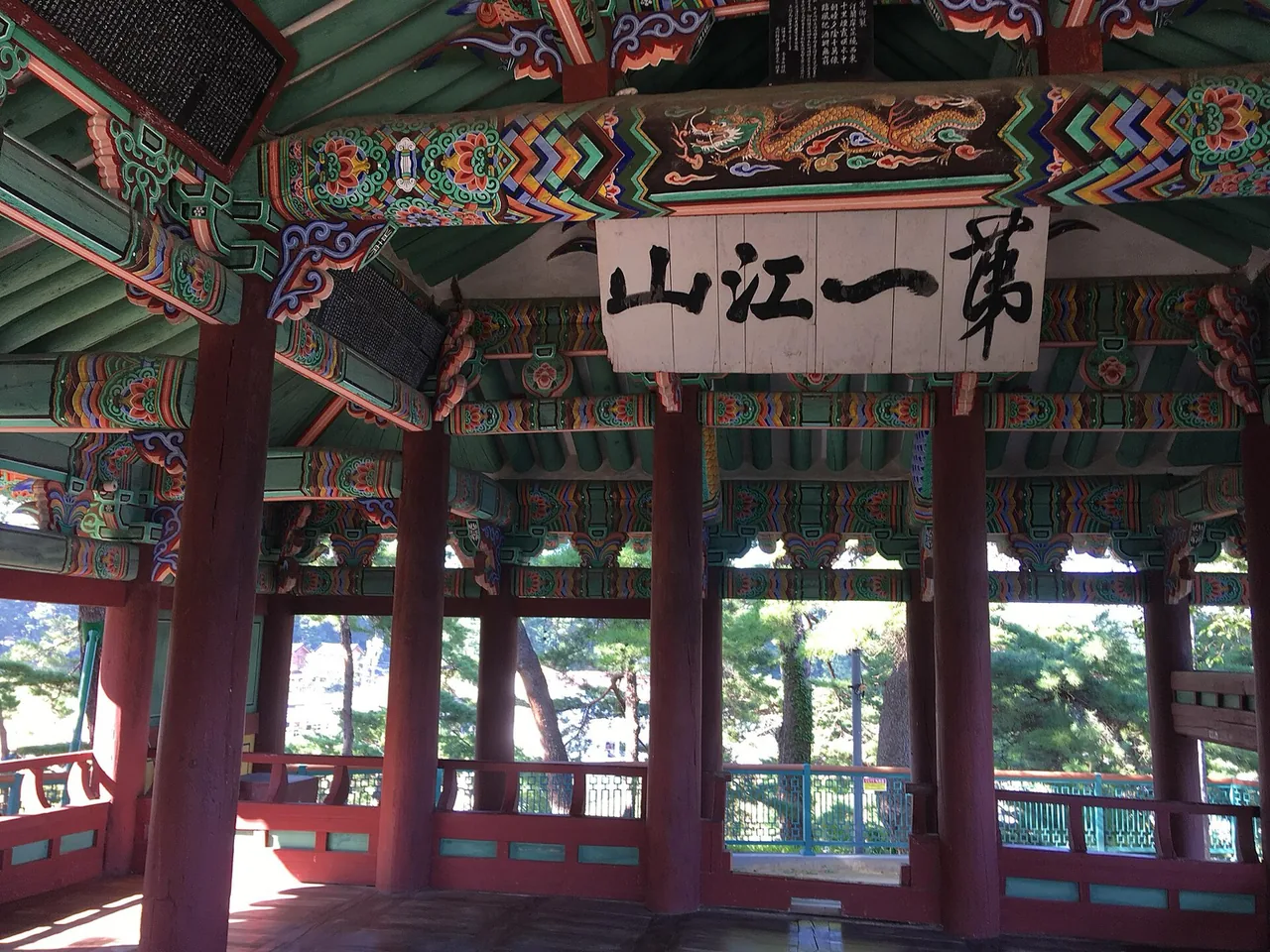
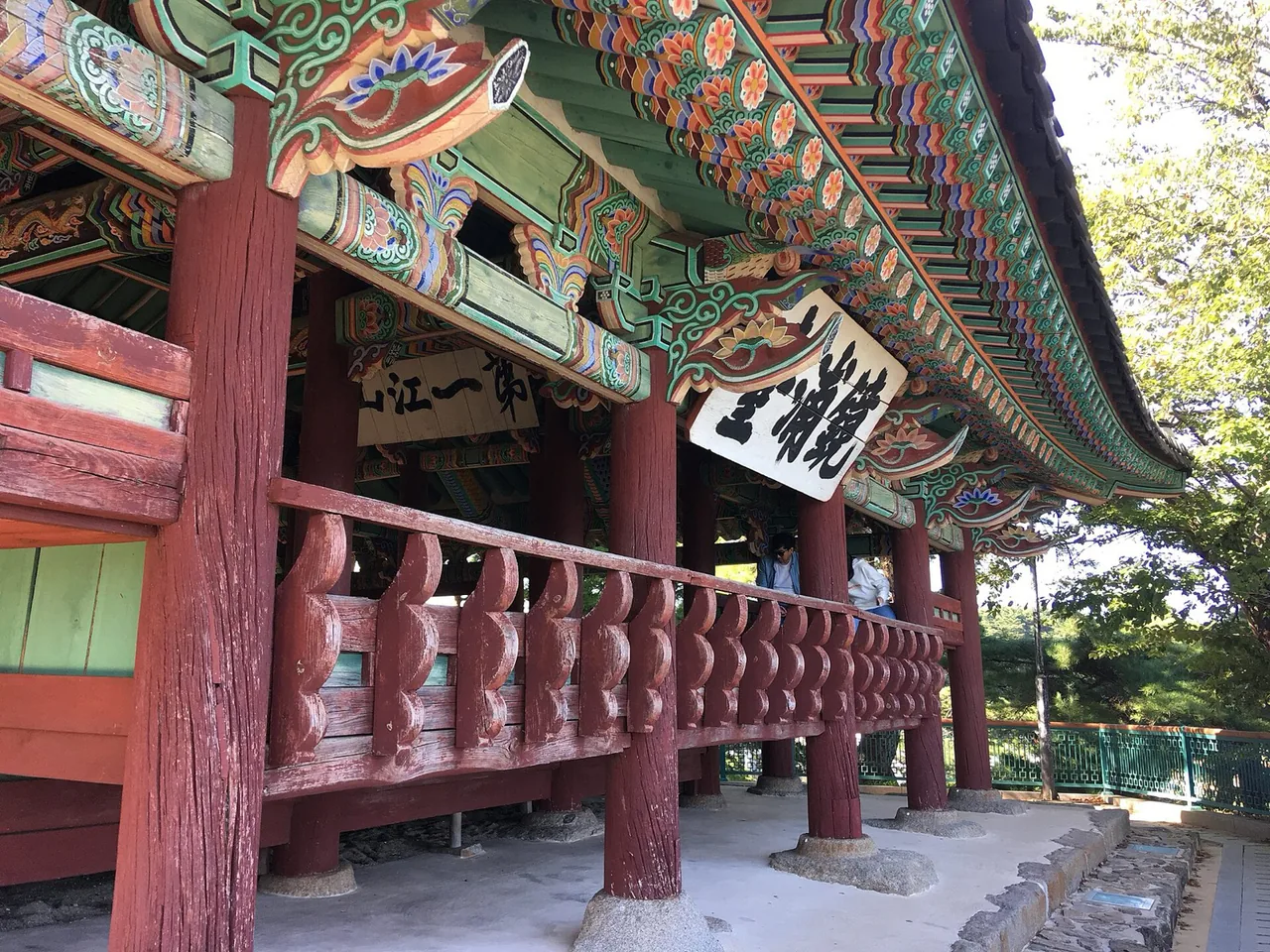
The Korea Heritage Service describes a building five bays wide and five bays deep under a hipped-and-gabled roof. Gangneung's tourism page mentions six bays in its introduction and five later, so this guide follows the heritage figure.
The floor sits on three levels, and county magistrate Jeong Heon-si added two raised maru platforms on the south and north sides in 1899. The heritage citation calls this two-tier raised floor unprecedented.
Poems hang inside, including one by King Sukjong and Gyeongpodae-bu, said to be written by the scholar Yulgok Yi I at age 10. Look for the Jeil Gangsan signboard, which means finest landscape. Pines and oaks surround the building, and the view runs across Gyeongpo Lake toward the beach.
Getting There
Gangneung city bus 202 runs a loop that stops at Gyeongpodae, according to Seongyojang's official directions page. The loop lists Gyeongpo Beach, Gangmun Beach, Heo Nanseolheon Memorial Park, Gangneung Olympic Park, Ojukheon, Seongyojang, Haeunjeong, Gyeongpodae and back to Gyeongpo Beach.
We found no official transfer details from Gangneung Station, so use a map app for the first leg of the trip.
Drivers can use the free parking on site, as listed by Visit Gangneung. The pavilion is about 7 km northeast of central Gangneung, on a hill on the north shore of Gyeongpo Lake.

Pair Gyeongpodae With Nearby Gangneung Sights
Bus 202 makes Gyeongpodae one stop on a full loop, and Ojukheon House sits on the same route, and the loop continues to Seongyojang.
After Ojukheon the loop passes Seongyojang House and Haeunjeong before it reaches Gyeongpodae. Because the pavilion is usable at any time, you can place it at either end of your loop.
Gyeongpo Lake lies directly below the hill, and Gyeongpo Beach is nearby, so a short walk adds water views to the history. For more ideas, browse our guide to attractions in Gangneung and plan a longer day around the bus loop.
Frequently Asked Questions
Is there an admission fee for Gyeongpodae Pavilion?
No. Gangneung city's tourism site lists admission as free, with no facility fee and free parking.
What are Gyeongpodae's opening hours?
Gangneung city lists the pavilion as open year-round and usable at any time, with no closing day.
Where is Gyeongpodae?
At 365 Gyeongpo-ro (Jeo-dong), Gangneung, on a hill on the north side of Gyeongpo Lake, about 7 km northeast of central Gangneung.
How do I get to Gyeongpodae by bus?
Gangneung city bus 202 runs a loop that stops at Gyeongpodae, along with Gyeongpo Beach, Ojukheon and Seongyojang.
How old is Gyeongpodae?
It was first built in 1326 under Goryeo King Chungsuk and moved to its current site in 1508, with many repairs since.
Is Gyeongpodae a national treasure?
No. It is a Treasure (bomul), not a National Treasure (kukbo), designated December 30, 2019. Together with Gyeongpo Lake it is also Scenic Site No. 108, designated in 2013.
What can you see inside Gyeongpodae?
Calligraphy boards and poems hang inside, including a poem by King Sukjong and 'Gyeongpodae-bu', said to have been written by Yulgok Yi I at age 10, plus a 'Jeil Gangsan' signboard.
What is near Gyeongpodae?
Gyeongpo Lake lies directly below it and Gyeongpo Beach is nearby; Seongyojang and Ojukheon are on the same city bus 202 loop.
Gyeongpodae rewards visitors who like history with a view, and it costs ₩0 to enter according to Visit Gangneung. Pair it with the lake, the beach and the bus 202 sights to build an easy cultural day.
For more Gangneung planning, read our 20 Best Things to Do in Gangneung: Sights, Food & Day-Trip Plans, Best Time to Visit Gangneung: Season-by-Season Guide and Free Things to Do in Gangneung: Beaches, Lake & Heritage guides.