Gukje Market Busan: What to Eat, Hours & How to Visit
Plan a visit to Gukje Market in Busan: what to eat, how to find the food alley, getting there from Jagalchi or Nampo, cash tips and what to skip.
On this page
Last updated November 2026: Gukje Market (국제시장) is a covered traditional market in Nampo-dong, Jung-gu, with free entry and a street-food strip. Allow 2–3 hours for a food crawl, longer if you also browse for goods. Pair it with Jagalchi Market and BIFF Square on one half-day walk, and see our Busan shopping guide for the wider picture.
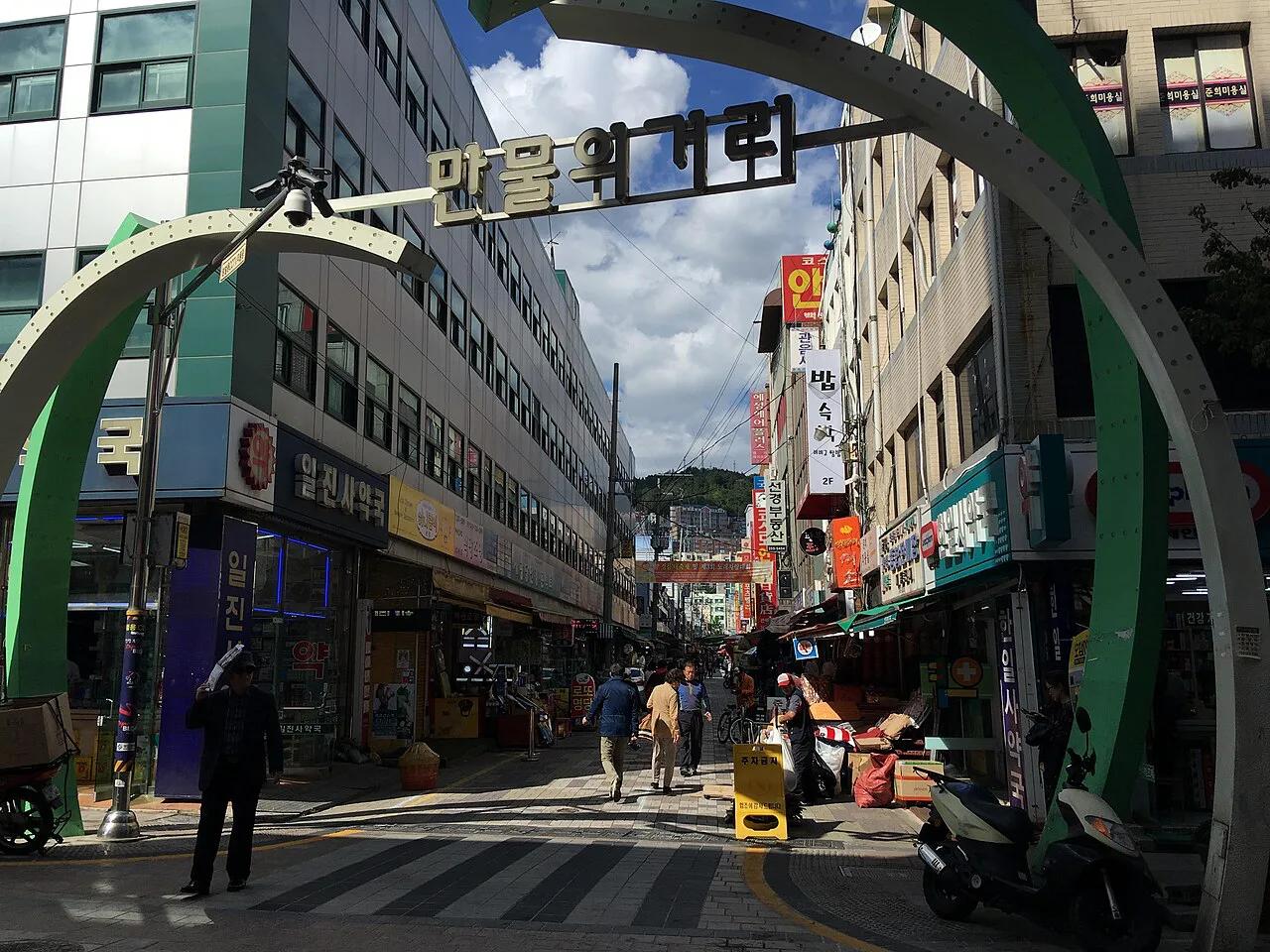
Featured image: Christophe95, CC BY-SA 4.0, via Wikimedia Commons.
What Gukje Market is, and who it suits
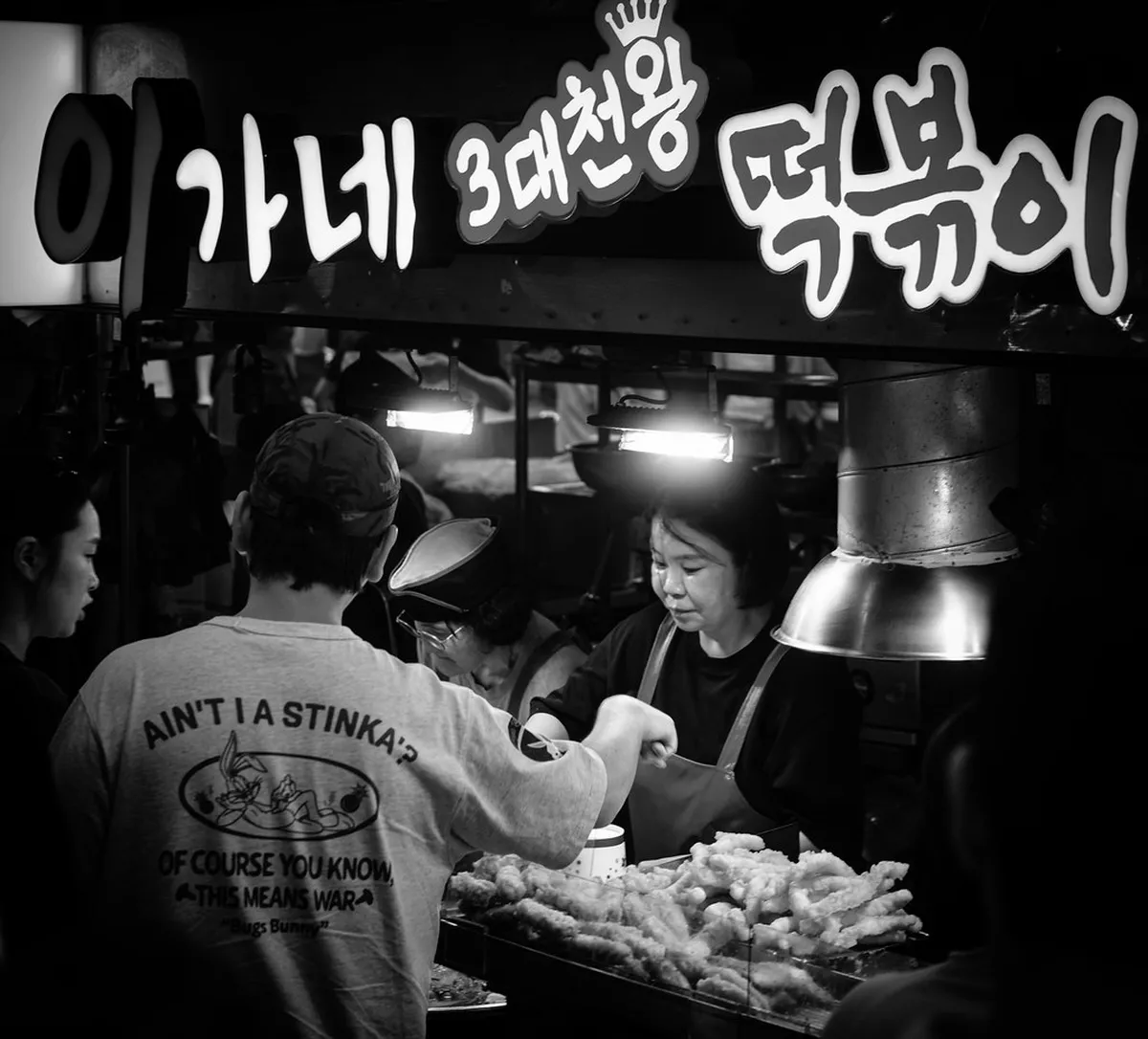
Gukje Market formed after the Korean War, when US army items and other goods piled up in refugee-era Busan. Locals once called it Dottaegi, and a "Dottaegi Market" atmosphere still means loud, crowded and full of goods. Visit Busan's listing groups it with Bupyeong Kkangtong Market, Jagalchi Market and Bosu Book Street as the Original Mega Commercial District of Busan. Its Korean name, 국제시장 (Gukje Sijang), means International Market, a nod to the foreign goods once sold here. Today it fills a web of covered alleys at 32 Junggu-ro, Jung-gu. Film fans will recognize it from Ode to My Father, which centers on the market. Entry is free, so you pay only for food and goods. Grazers, bargain hunters and rainy-day planners get the most from it. Skip it if crowds or eating on your feet put you off. Seafood-only travelers should head to Jagalchi instead.
Quick plan: 30 minutes, 90 minutes or half a day
Pick a time box before you enter, because the alleys swallow hours. Full food crawls take 2–3 hours, so the 90-minute plan covers roughly half the stalls. Shorter visits work best when you commit to one lane.
| Visit length | What to do | Best for |
|---|---|---|
| 30 minutes | Enter from the BIFF Square end, eat one ssiat hotteok and one eomuk skewer with broth, then walk the main food alley | Transit stopovers and first-timers |
| 90 minutes | Add flat dumplings and Chungmu gimbap, then loop through the hanbok and bedding alleys and find the suspension bridge | Food plus a look at the goods |
| Half a day | Run the full food crawl with a sit-down milmyeon, browse kitchenware and fabric, then continue to BIFF Square and Gwangbok-ro | Anyone building a Nampo-dong day |
What to eat at Gukje Market
Prices and hours checked November 2026. Stall prices below are typical ranges and vary by vendor. Start with one ssiat hotteok near the BIFF Square end, then keep moving. Eating two pancakes at the entrance leaves no room for flat dumplings or fish cake. Eomuk comes with a free cup of hot broth, and accepting it is part of the ritual. Official notes also name tteokbokki, fritters and blood sausages as market staples. Milmyeon is a sit-down dish, so save it for last. Busan's cold wheat noodles trace back to the Korean War, when refugees swapped scarce buckwheat for wheat flour.
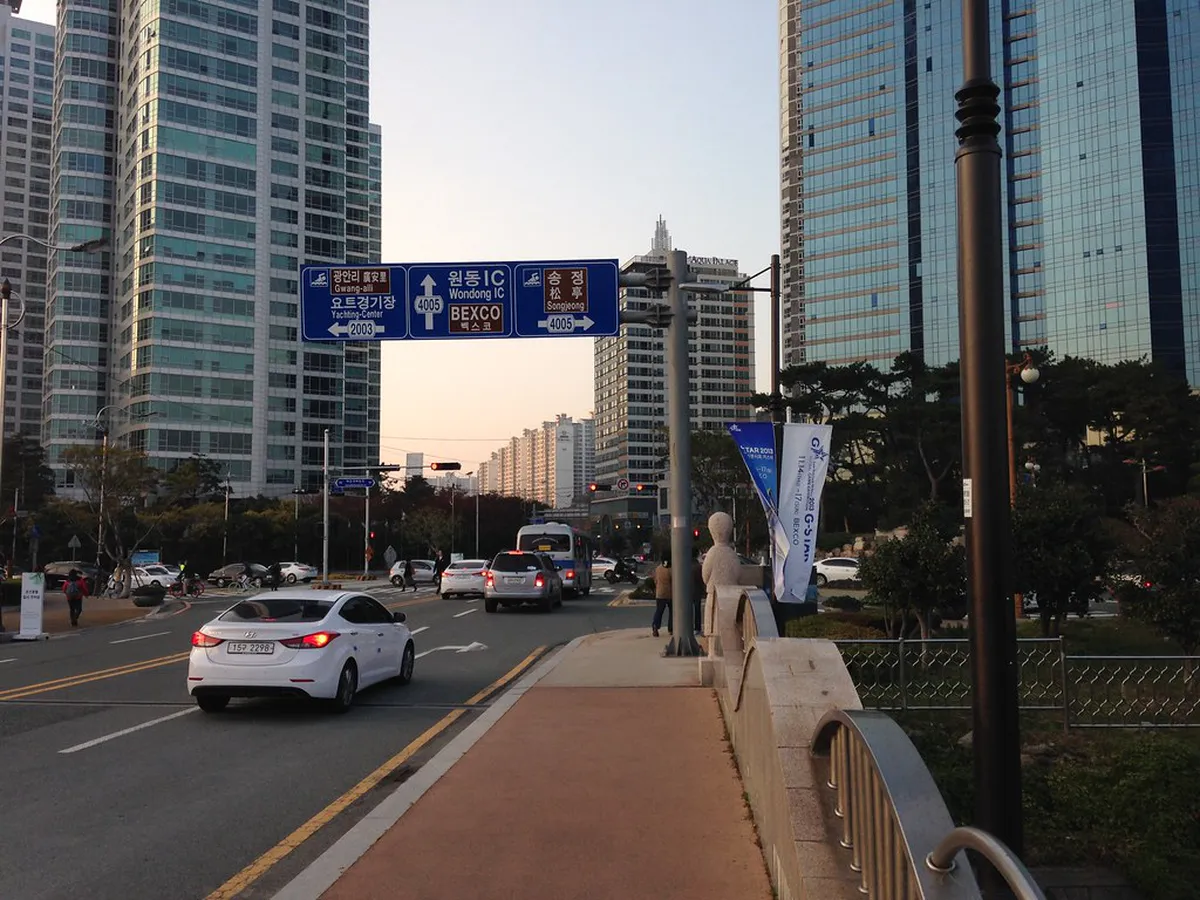
- Ssiat hotteok (씨앗호떡): a griddled pancake stuffed with seeds, nuts and brown sugar, typically ₩1,500–2,500.
- Flat dumplings (납작만두, napjak mandu): pan-fried glass-noodle dumplings, around ₩3,000–4,000 for 10 pieces.
- Eomuk (어묵): fish cake skewers, around ₩500–1,000, served with a free cup of broth.
- Milmyeon (밀면): cold wheat noodles in icy broth, around ₩7,000–9,000 at a sit-down stall.
- Chungmu gimbap (충무김밥): plain seaweed-wrapped rice with spicy squid and radish kimchi, around ₩3,000–4,500.
- Bibim dangmyeon (비빔당면): spicy mixed glass noodles, around ₩3,000–4,000.
What to shop for, and what to skip
Shopping here is a browse, not a mission. Visit Busan describes alleys for hanbok and bedding, plus stalls selling toys, bags and novelty dolls. Expect kitchenware, fabric, hardware and imported goods in between. Retro decor and K-pop merchandise turn up too, according to visitors. Many stalls post prices, so do not count on a bargaining discount. For gifts worth carrying home, see our curated souvenir picks. Fashion and cosmetics are better on Gwangbok-ro, a wide pedestrian-friendly street that runs parallel to the market.
How to find your way around the market
Inside, buildings form alleys that lead to smaller lanes, and it is easy to circle the same spot. Numbers painted on the suspension bridge that links market buildings help you place yourself. Start at Kkotbunine, the shop featured in Ode to My Father, and learn the pattern from there. Two food clusters matter. Reported signage points to a food street (먹자골목, meokja golmok) near the BIFF Square end, where hotteok and dumplings concentrate. Another cluster faces Jagalchi and leans toward seafood and grilled skewers. Official listings note a ramp, an elevator, an accessible bathroom and accessible parking. Alleys are narrow and crowded, so wheelchair and stroller users should expect slow going.
Getting to Gukje Market
From Busan Metro Line 1, leave Jagalchi Station by Exit 7 and walk about 7 minutes. Nampo Station Exit 5 is reported to be about 5 minutes away. Buses 15, 40, 86, 126 and 186 stop at Gukje Market, followed by a 4-minute walk. Taxi drivers know the name 국제시장, so show it on your phone. Jagalchi Market sits a 6-minute walk from Exit 10 of Jagalchi Station or Exit 2 of Nampo Station, which makes a two-market day easy on foot.
Hours, costs and cash
Hours run 09:00–20:00 daily, though individual shops set their own times. Korea Tourism Organization lists Sunday as the closing day. Service fees differ by store, and there is no entrance fee. Cash works everywhere. Bring ₩1,000 and ₩5,000 notes for faster transactions. Card works at larger shops. A snack-only lunch of four to five items typically costs ₩10,000–15,000. Add a sit-down milmyeon and the total rises to ₩18,000–20,000.
| Plan | Typical budget |
|---|---|
| Street lunch, four to five items | ₩10,000–15,000 |
| Same lunch plus sit-down milmyeon | ₩18,000–20,000 |
| Cash to carry for a food crawl | ₩20,000–25,000 |
| Cash to carry for food plus shopping | ₩40,000–50,000 |
Gukje Market vs Jagalchi, BIFF Square and other Busan markets
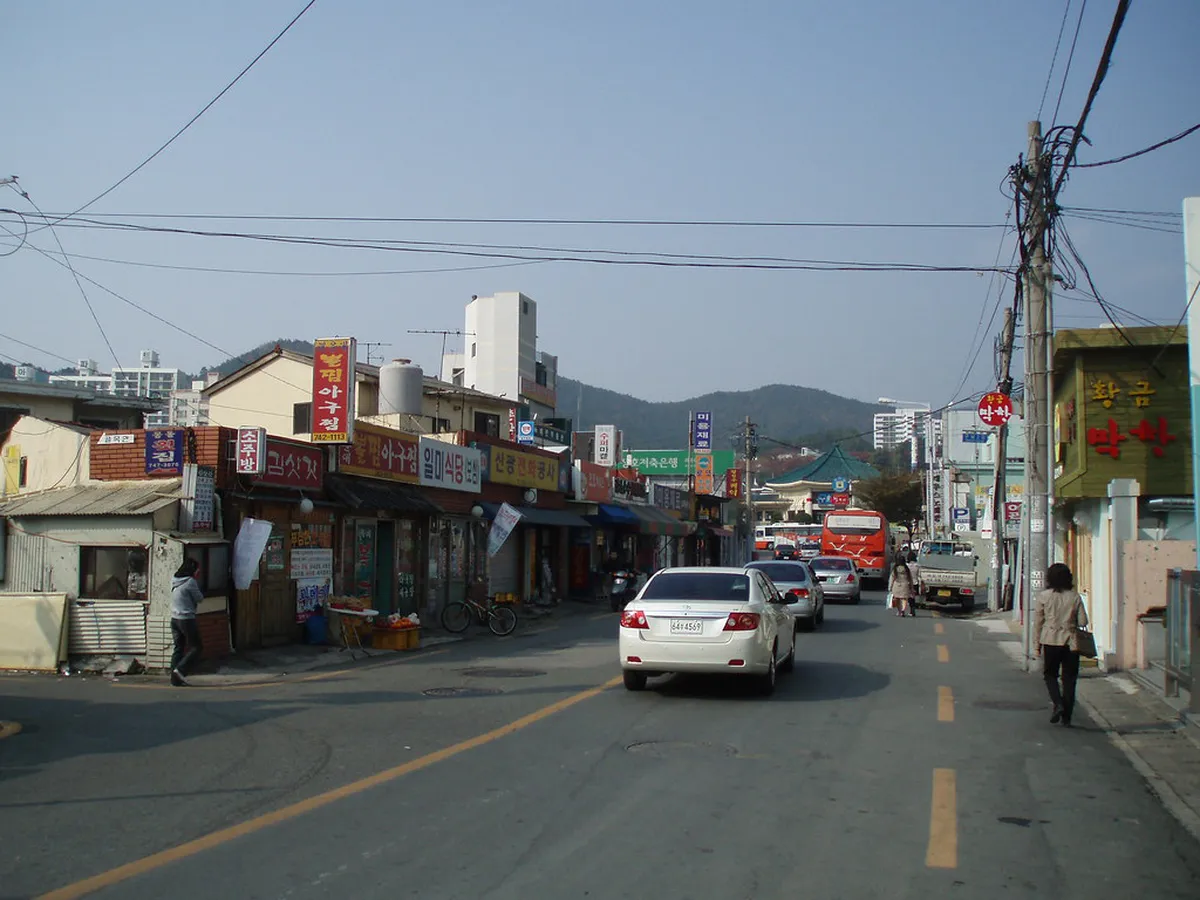
Jagalchi, BIFF Square and Gukje form a compact triangle you can walk without backtracking. Indoor shoppers have other options. Seomyeon's underground arcade suits a different part of town. Department-store fans can head to Centum City's department store for a modern alternative.
| Place | Character | Best for | Skip if |
|---|---|---|---|
| Gukje Market | Covered general market with a food alley; closed Sundays | Street food plus kitchenware, fabric and retro goods | You dislike crowds or standing to eat |
| Jagalchi Market | Seafood market, 05:00–22:00 daily, closed the 1st, 3rd and 5th Tuesdays | Raw fish, live shellfish and harbor atmosphere | You want general shopping |
| BIFF Square | Open year-round, with street food beside the market | A quick snack on the way in or out | You want a full meal or goods |
| Bupyeong Kkangtong's night stalls | Night market, 19:30–24:00 daily, 9-minute walk from Jagalchi Station Exit 3 | After-dark grazing in a narrow alley | You are visiting by day only |
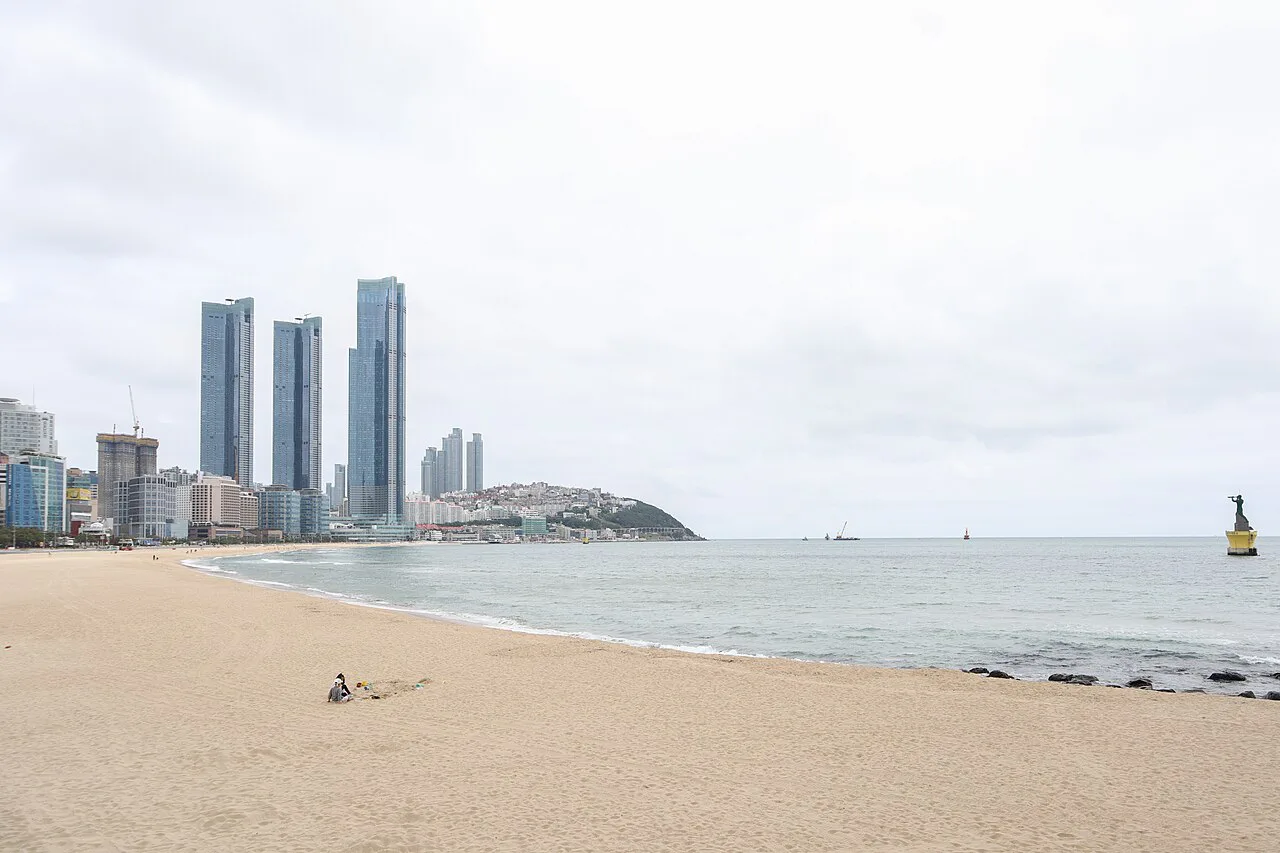
| Haeundae's traditional market | Traditional market on the beach side of the city | A market stop near Haeundae Beach | You are staying in Nampo-dong |
Best time to visit
Weekdays are calmer, and Tuesday to Thursday is usually the sweet spot. Hotteok lines can reach 15–20 minutes on busy weekends. Daytime suits shopping and the main food crawl. Evenings feel more social, with pojangmacha-style seating, but fewer shops stay open and closing times vary by stall. Covered alleys make the market a sound fallback in rain. In winter, hot eomuk broth is the draw, though some outdoor stalls shorten their hours. For a longer night out, try these after-dark market options. Kkangtong's stalls start at 19:30, well after most Gukje shops wind down.
On busy weekends a hotteok line can reach 15–20 minutes, which can take most of a 30-minute visit.
Tips and common mistakes
Most mistakes come from rushing. Vendors appreciate even a stumbling attempt at Korean, and most prices appear on boards or stickers.
- Do not fill up at the first stall: one hotteok, then move deeper into the market.
- Accept the free broth that comes with eomuk.
- Do not confuse Gukje with Jagalchi: Gukje is a general market, Jagalchi is mainly seafood.
- Keep bags in front of you in the narrow, crowded alleys.
- Say 이거 하나 주세요 (igeo hana juseyo) for "one of these, please".
- Ask 얼마예요? (eolmayeyo) for "how much is it?".
A half-day Nampo-dong route
This route covers the area on foot in about half a day. Jagalchi Market is closed on the 1st, 3rd and 5th Tuesdays, so swap its slot for Gwangbok-ro on those days.
Gukje shuts on Sundays, while Jagalchi closes on the 1st, 3rd and 5th Tuesdays, so the two never close on the same day.
- 10:00 Jagalchi Market: open from 05:00, so seafood and harbor views come first.
- 11:30 Gukje Market: the main food crawl, then a shopping loop through the hanbok and bedding alleys.
- 14:30 BIFF Square and Gwangbok-ro: a snack stop, then fashion and cosmetics on the pedestrian street.
- 16:00 Busan Tower on Yongdusan-gil (optional): open 10:00–22:00, last admission 21:30, ₩12,000 for adults.
- 19:30 Bupyeong Kkangtong night market (optional): open until 24:00, a 9-minute walk from Jagalchi Station Exit 3.
Notes for your Korea trip
Optional updates to our city guides.
You might also like
Continue reading
More guides you'll find useful