Busan vs Fukuoka: Which City to Pick
Choosing between Busan and Fukuoka? Compare food, beaches, costs and getting around, plus how to combine both by overnight ferry.
On this page
Last updated November 2026: busan vs fukuoka comes down to beaches and hillside districts on the Korean side against a compact, walkable Japanese port city. Busan suits travelers who want sea views, markets and a sprawling metro. Fukuoka suits those who want an easy first Japan stop, and an overnight ferry lets you do both.
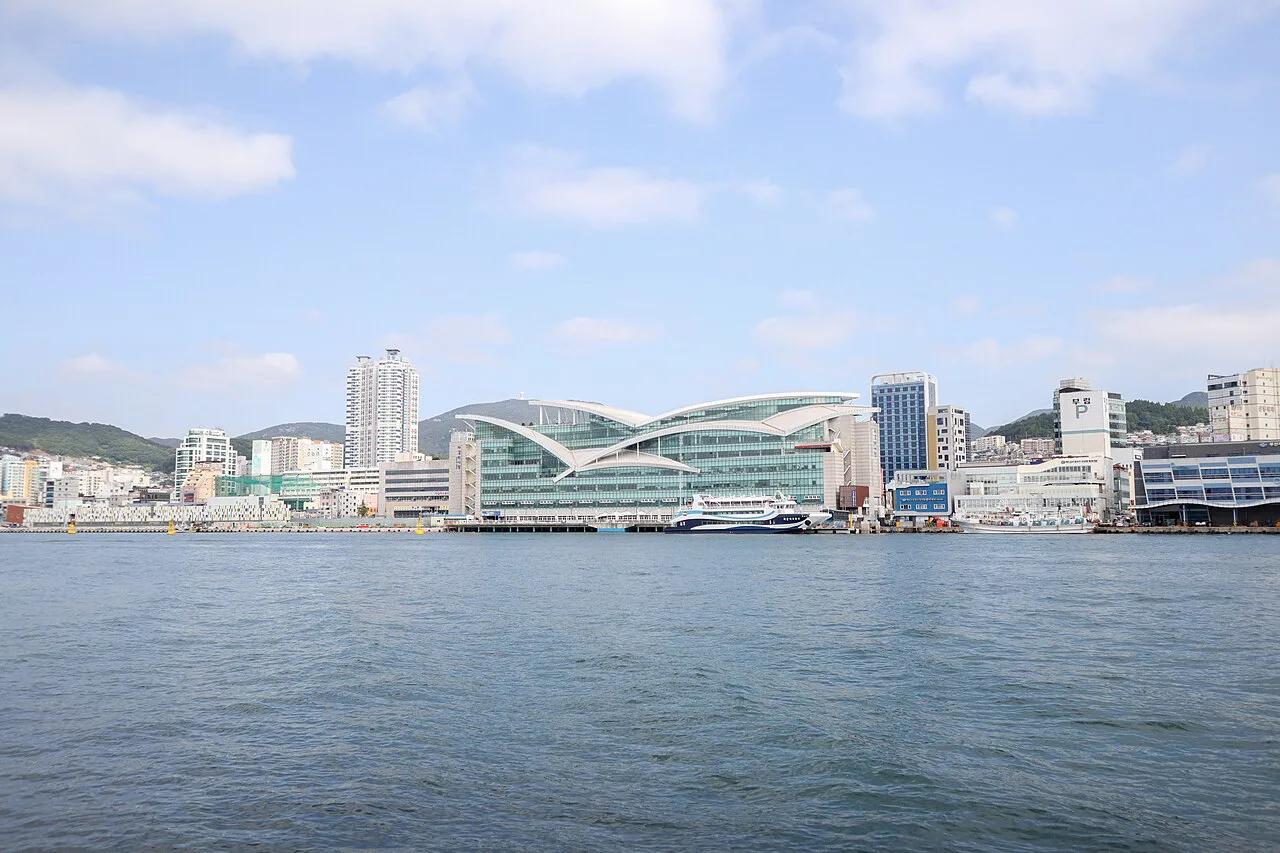
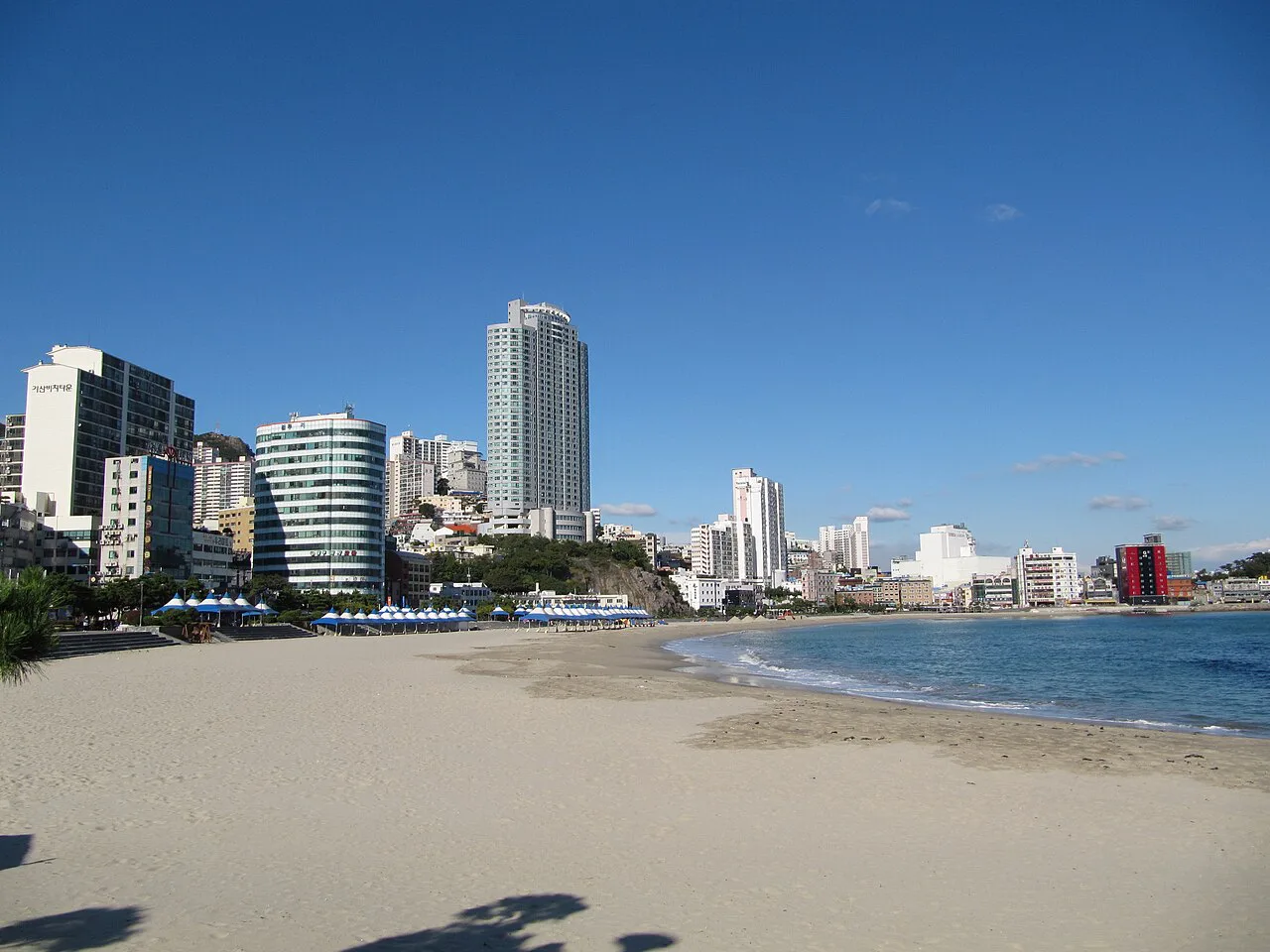
Featured image: Mobius6, CC BY-SA 4.0, via Wikimedia Commons.
Quick Verdict: Busan or Fukuoka?
Pick Busan if your trip centers on Korea and you want a coastline with real range. Jagalchi Market, the Haeundae beachfront and the painted hillside lanes of Gamcheon all sit within one metro network. Pick Fukuoka if Japan is the main event and you want a city that is easy to read on day one. Yanagibashi Market and the Hakata waterfront give you a food-first start. Do both if you have a week or more. An overnight ferry joins the two ports and saves a night of hotel costs.
- Choose Busan for beaches, seafood markets and a bigger, hillier city.
- Choose Fukuoka for a compact base, a first Japan stop and short transfers from the port.
- Choose both for a Korea–Japan loop with a sea crossing in the middle.
Busan vs Fukuoka at a Glance
This table uses qualitative ratings, because neither city has a single official score. Read it as an editorial summary, then use the sections below for the decision detail.
| Factor | Busan | Fukuoka |
|---|---|---|
| Vibe | Large port city with beaches, hills and a long metro network | Compact port city built around Hakata and the waterfront |
| Food focus | Seafood at Jagalchi Market, plus beachfront dining at Haeundae | Market and port-side eating, with Yanagibashi Market as a start |
| Beaches and coast | Strong: Haeundae and Gwangalli are the two base options | Moderate: waterfront rather than a headline beach scene |
| Sights | Gamcheon, Jagalchi, Haeundae | Hakata and the city center |
| Getting around | Busan Metro plus buses; distances are long | Short hops from the port by bus or taxi |
| Port access | Busan International Passenger Terminal, Dong-gu | Hakata Port International Terminal, with a tourist information desk |
| Cross-border cabin cost | First-class two-person cabin was ₩278,000 total in 2025 | Same ferry, same fare; return fares vary by operator |
| Best for first-timers | Good if Korea is the goal | Good if Japan is the goal |
Cost and Time Trade-Offs
Compare these cities on four lines: lodging, food, local transport and the crossing. Busan beach-area hotels near Haeundae tend to cost more than central or port-side rooms, so base choice matters. Our guide to Haeundae versus Gwangalli helps you pick. Food costs depend on how you eat, but Jagalchi Market charges service fees that differ by store, so ask before you sit down. The crossing is the one hard number. A first-class two-person cabin on the Busan–Fukuoka ferry cost ₩278,000 in 2025, or ₩139,000 per person. Economy rooms with sleeping mats cost less, and current rates sit on the operator's counter and site. Prices and times checked November 2026 against that 2025 fare. Time is the other cost. Crossing takes about 8.5 hours before check-in and waiting.
Seoul to Busan by high-speed train takes about 2.5 hours, so a Korea-first loop can start in the capital and still reach the ferry by evening.
Who Each City Fits
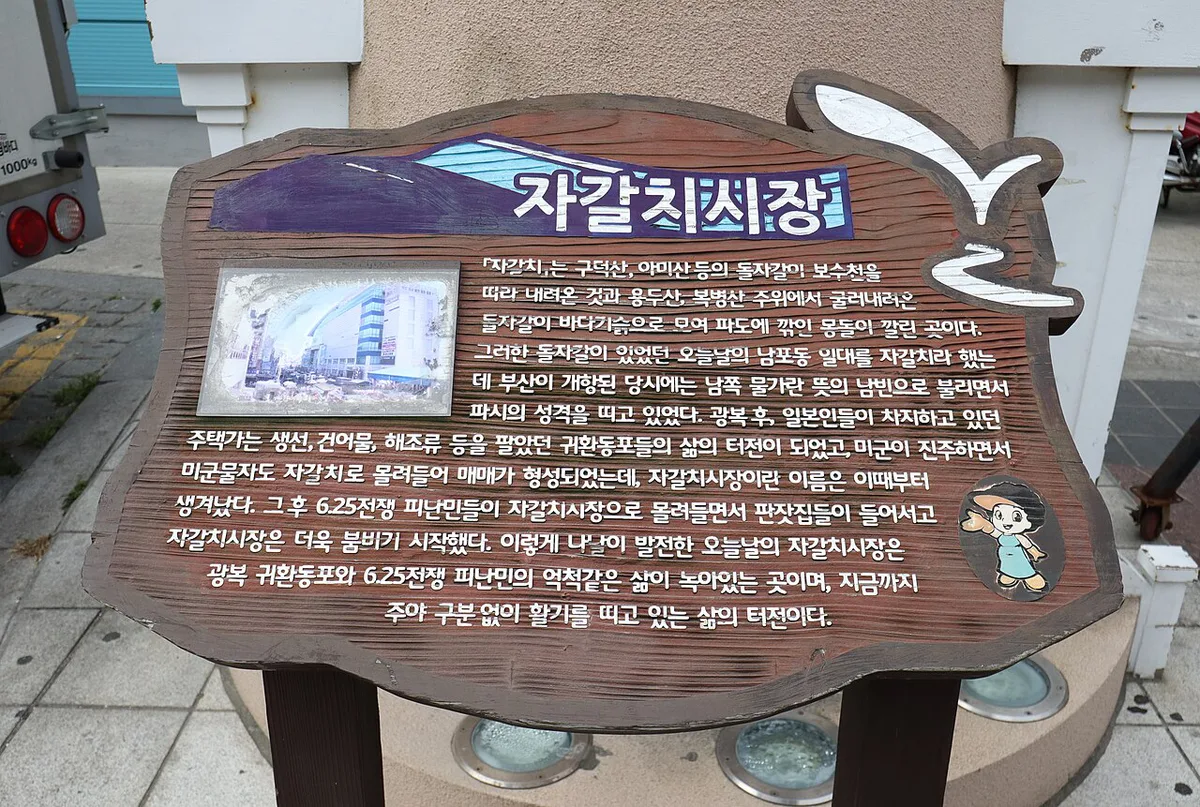
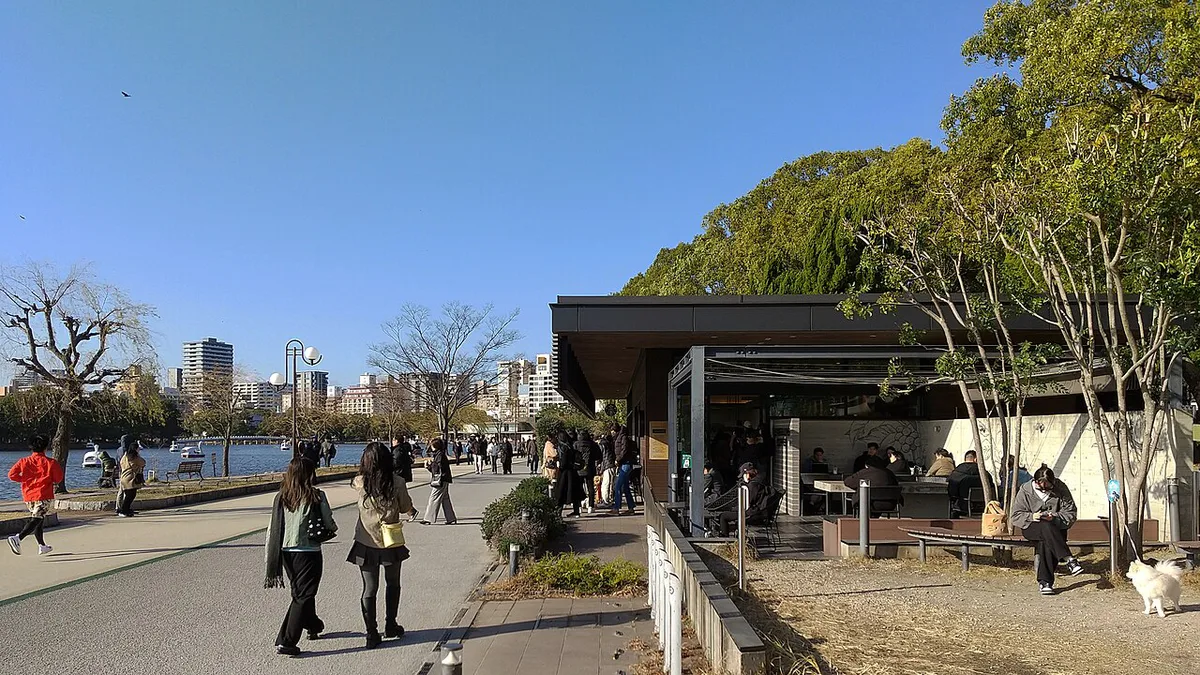
First-timers to Asia usually find Fukuoka easier, since it is compact and the port has a tourist desk. Foodies should treat the two as equals with different strengths. Jagalchi Market opens 05:00–22:00 daily and is closed on the 1st, 3rd and 5th Tuesdays of the month. Beach seekers should pick Busan. Budget travelers can save a hotel night by sleeping aboard the ferry. Short-stopover travelers gain most from Fukuoka, because airport and port transfers are short. Travelers weighing Busan against other Korean stops can read our Busan versus Seoul comparison. Island lovers should look at Busan versus Jeju before committing.
- First-timers: Fukuoka for Japan, Busan for Korea.
- Foodies: Jagalchi Market in Busan, Yanagibashi Market in Fukuoka.
- Families: Haeundae beach in Busan for open space.
- Budget: the overnight ferry replaces a hotel night.
Getting Between Busan and Fukuoka
Two options matter: ferry or flight. Ferry journeys take about 8.5 hours, plus check-in, customs and boarding time. That adds hours to the clock, but the overnight sailing covers a night of lodging. A flight is faster in the air. Add airport transfers, baggage and security, and compare total door-to-door time, not flight time alone. Check carrier schedules before booking. Ferries are exposed to weather. Typhoon season and winter seas can cancel sailings, so keep a flexible day on either end. You also lose daytime sea views on an overnight crossing. For flights, see the Korea tourism site for airport guidance.
Taking the Overnight Ferry: Tickets, Check-In, Arrival
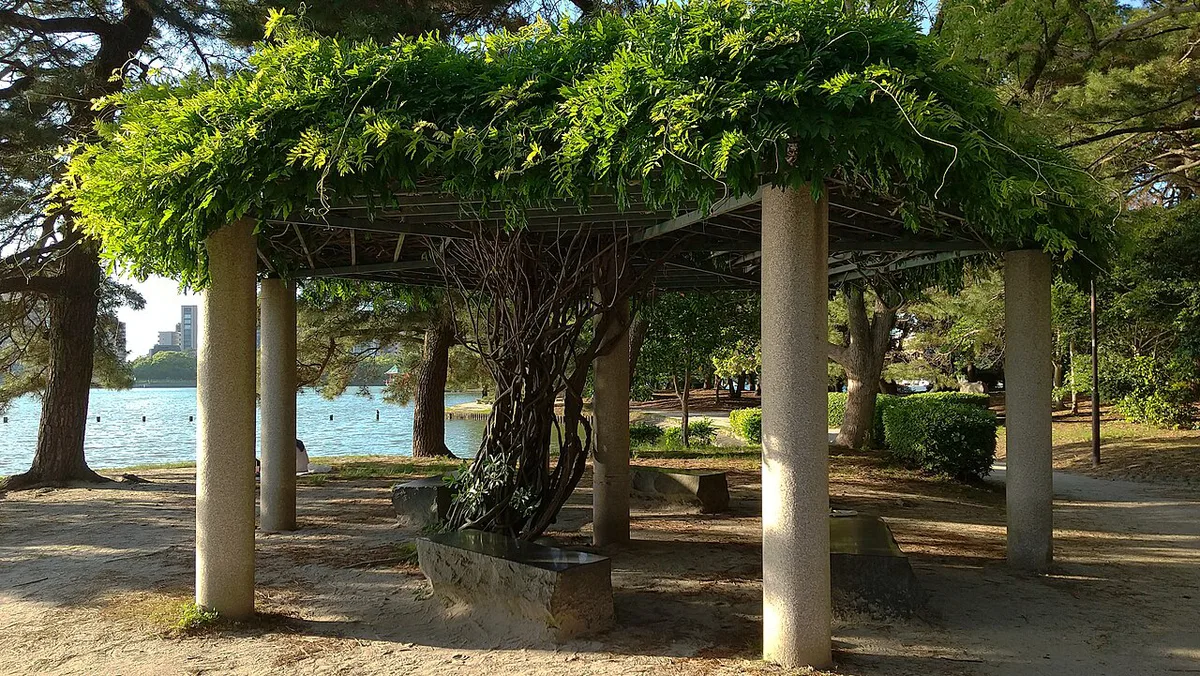
Tickets are sold on the second floor of Busan International Passenger Terminal, at 45-39 Choryang-dong, Dong-gu. Online listings sometimes show sold out while counters still have space, so go in person if the website says full. Check-in on one sailing closed before 16:00 for a 23:00 departure. Boarding began around 19:30. Sailing times change, so ask the counter on the day. Cabins range from open economy rooms with sleeping mats to private first-class cabins with two bunks and a bathroom. A sento, or communal bathhouse, is onboard. Food service varies, so bring snacks and water. The ferry reaches Hakata Port International Terminal around 07:30. Passport control works like an airport queue. Customs staff may search luggage, so skip fresh fruit and meat. A tourist information desk at the terminal helps with city transport, and a bus runs to the center. Visa needs depend on nationality, so check the Fukuoka tourism guide and your government's travel page.
How to Combine Both in One Trip
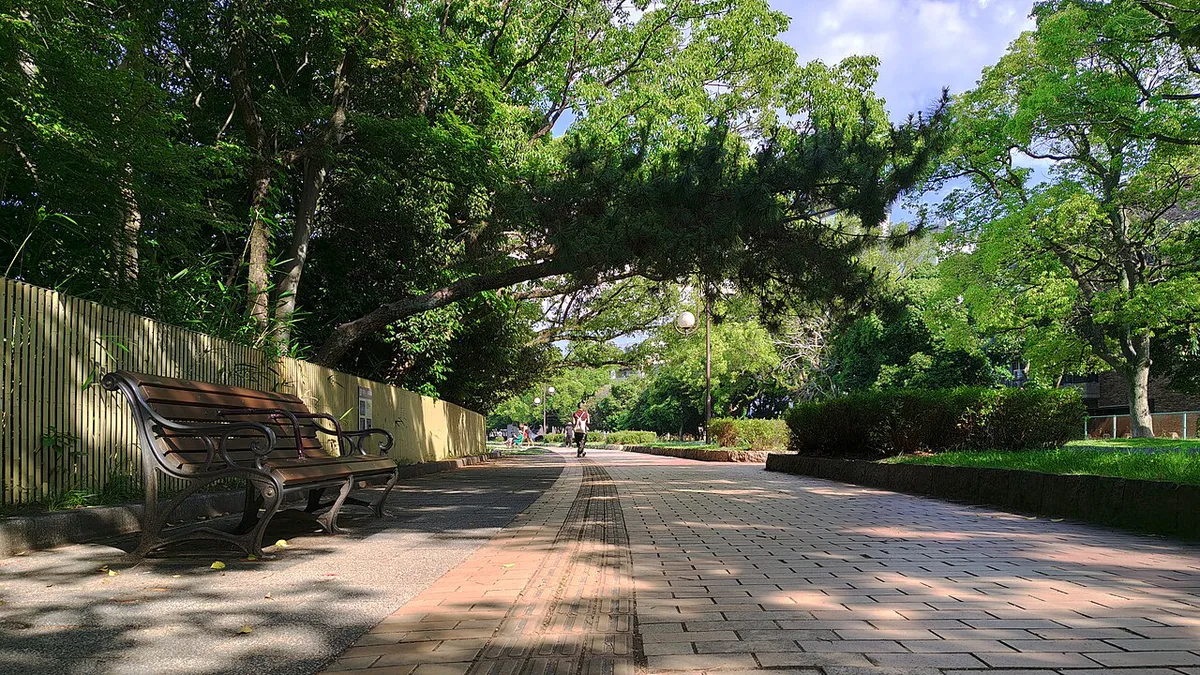
Start in Korea if you are flying into Seoul. The high-speed train from Seoul to Busan takes about 2.5 hours. A Gyeongju stop is possible on the way, and a bus from Gyeongju to Busan takes about 1 hour. Our guide to Busan or Gyeongju? How to Choose (and Do Both) covers that choice. Spend 2–3 nights in Busan, then board the evening ferry. You wake in Fukuoka around 07:30, ready for 2–3 nights there. Reverse the order if you start in Japan. Either direction, arrive at Busan terminal in the afternoon. In Busan, Visit Busan lists current events. Jagalchi Market is a 6 minute walk from Exit 2 of Nampo Station or Exit 10 of Jagalchi Station on Metro Line 1.
Mistakes to Avoid
Do not trust a sold-out website without checking the counter. Do not arrive at the terminal at the last minute, since check-in closes hours before departure. Do not pack fresh food for Japanese customs. Do not plan a tight connection the morning you land, because passport control takes time. Skip Fukuoka if you only want beaches, and skip Busan if you only have one night. Download an eSIM before you cross the border, so data works on arrival. Keep one buffer day in typhoon season.
Jagalchi Market is closed on the 1st, 3rd and 5th Tuesdays, so check the calendar before you schedule a seafood stop around your ferry-day plans.
Frequently Asked Questions
How do I get from Busan to Fukuoka?
Take the overnight ferry from Busan International Passenger Terminal. It sails about 8.5 hours and arrives at Hakata Port around 07:30. You can also fly, which is faster in the air but adds airport time.
Which is correct, Busan or Pusan?
Busan is the spelling used on official tourism sites today. Pusan is an older romanization you may still see on some signs and maps.
What's so special about Busan?
Busan combines a working port with beaches and hillside districts. Jagalchi Market opens 05:00–22:00 daily. Haeundae and Gamcheon give two very different sides of the city.
Notes for your Korea trip
Optional updates to our city guides.
You might also like
Continue reading
More guides you'll find useful