Busan vs Jeju: Which Korea Trip Fits You?
Busan vs Jeju compared on transport, car needs, food, beaches, hiking and trip length, with clear rules for who should pick which.
On this page
Last updated November 2026. Busan vs Jeju is a choice between a port city with a beach and a volcanic island that works best with a car. Pick Busan for markets, food and metro-friendly days, and pick Jeju for slow coastal scenery and hiking.
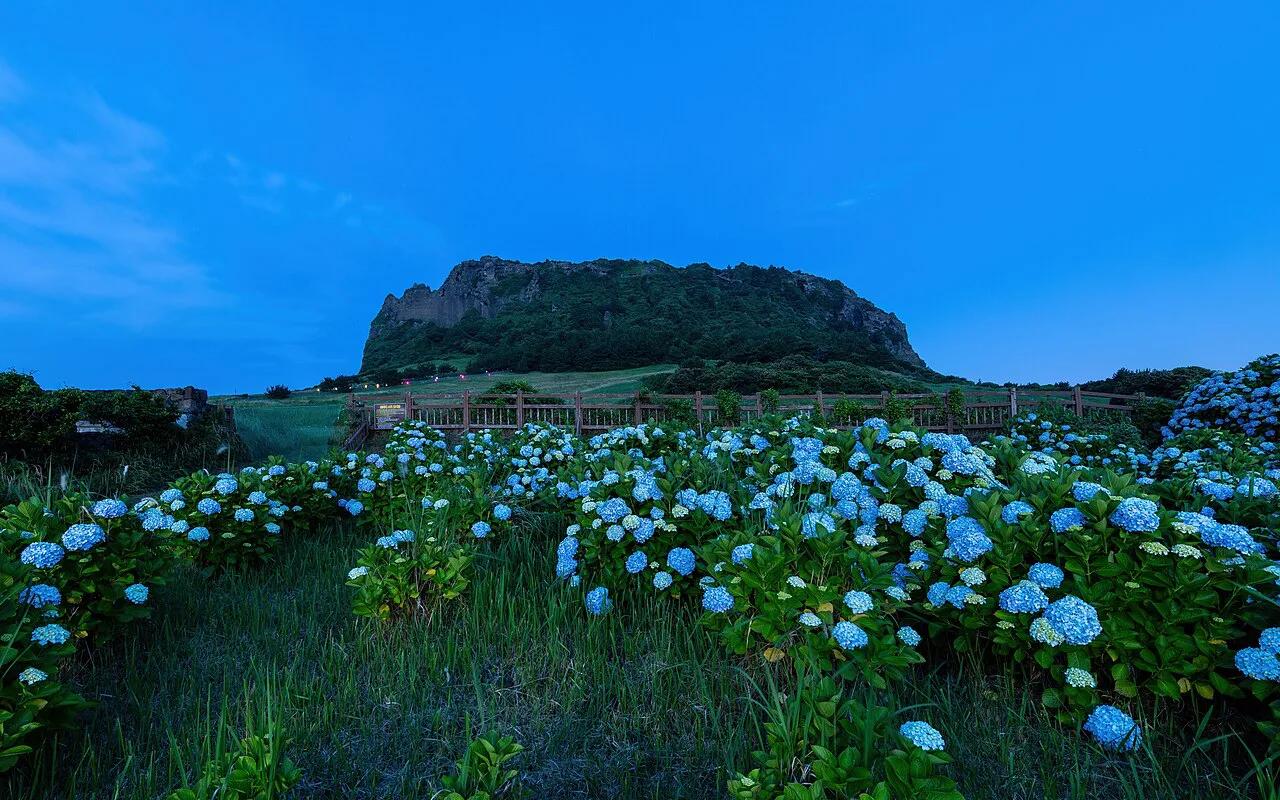
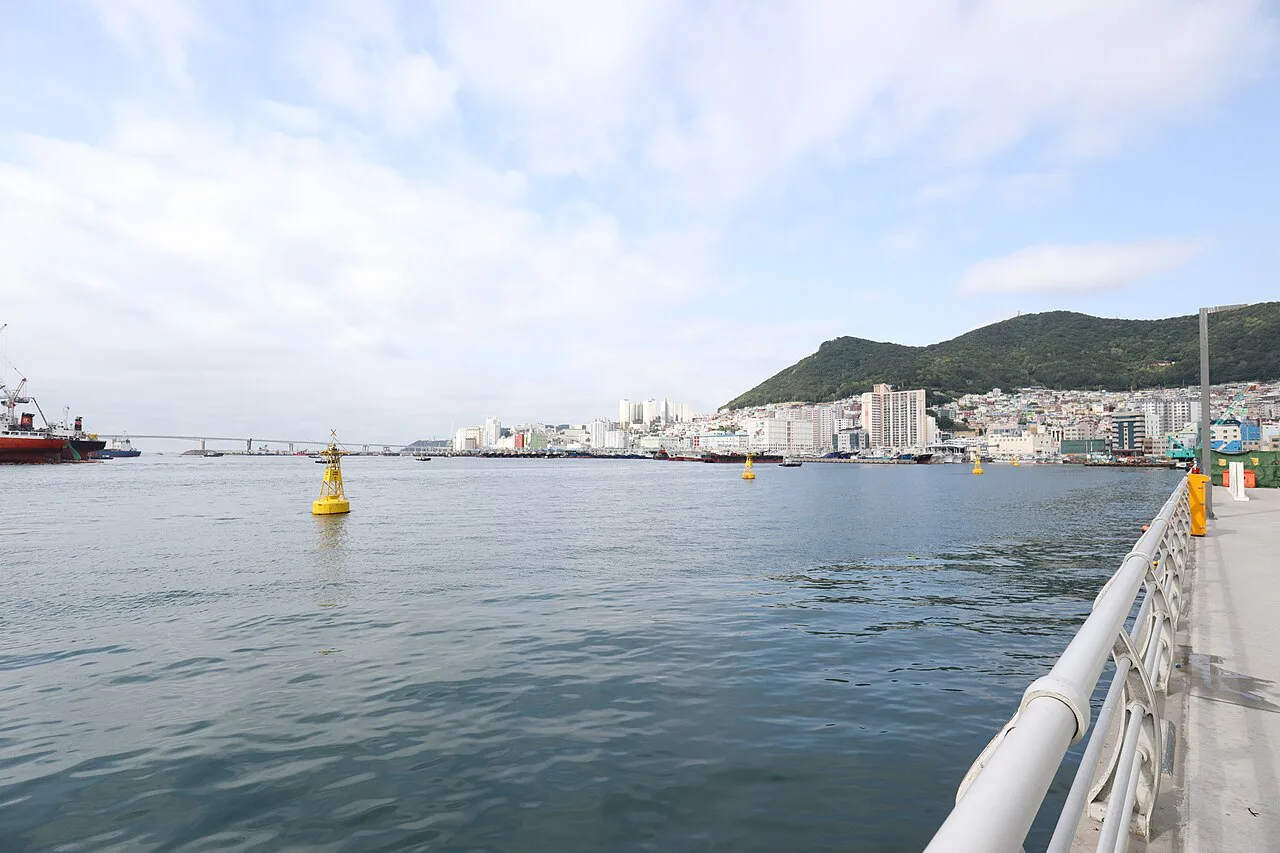
Featured image: Basile Morin, CC BY-SA 4.0, via Wikimedia Commons.
Quick Verdict: Busan or Jeju
Busan suits a city mix of beaches, markets and late dinners. Jeju suits scenery-led trips at a slower pace. Neither is better outright. Your driving plans and trip length decide it.
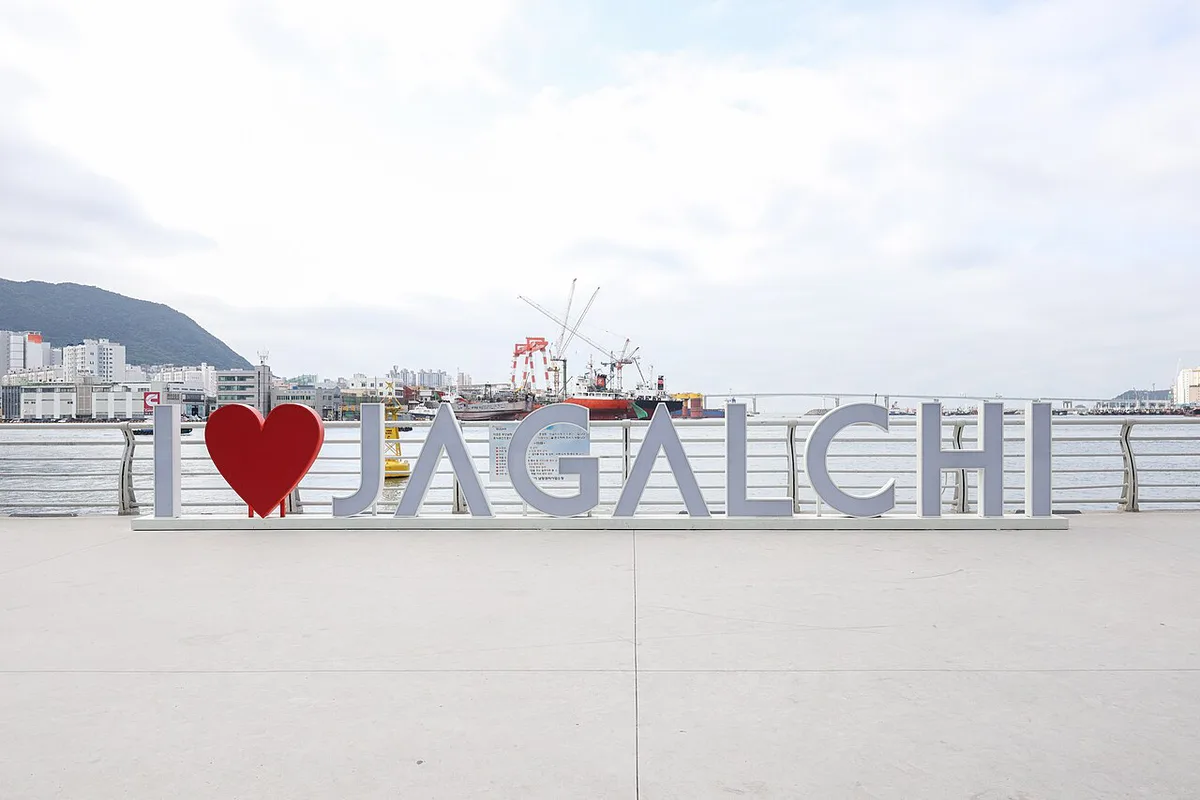
- Pick Busan if you have 3 days or fewer, no driving licence, or a food-first trip.
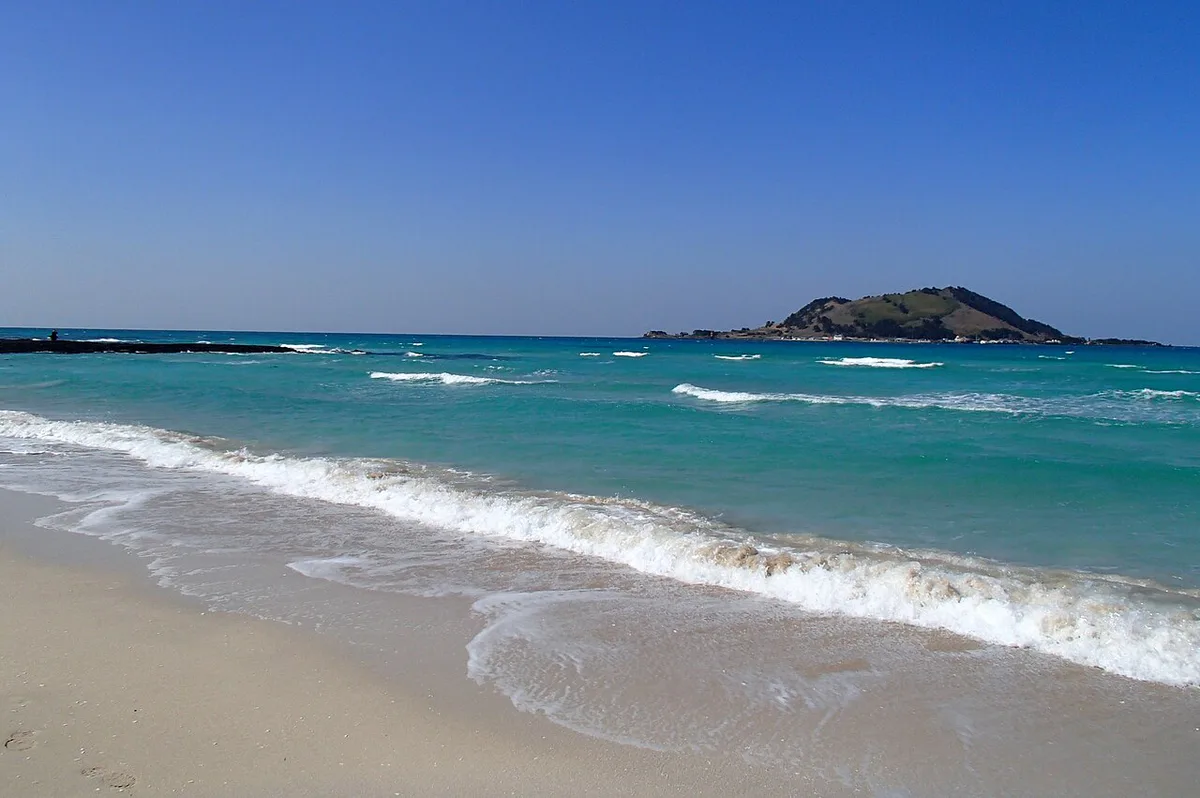
- Pick Jeju if you want volcanic scenery, coastal walks and quiet evenings, and you will drive.
- Do both if you have 5 days or more and can spare a transfer day.
Busan vs Jeju at a Glance
Cost figures below are editorial planning estimates in KRW, not published fares. Prices and hours checked November 2026.
| Factor | Busan | Jeju |
|---|---|---|
| Type of trip | City, markets, beaches | Island, volcanic scenery, hiking |
| Getting around | Metro, bus, taxi, on foot | Rental car strongly preferred |
| Car needed | No | Yes, for most highlights |
| Typical transport spend per day | ₩2,000–₩10,000 | ₩60,000–₩120,000 with a rental car and fuel |
| Typical meal cost | ₩8,000–₩20,000 for a market or soup meal | ₩10,000–₩25,000 for black pork or seafood |
| Nightlife | Strong: Seomyeon and Gwangalli | Quiet; many places close early |
| Ideal length | 3 to 4 days | 4 to 5 days |
| Weather risk | Summer rain and typhoon season | Summer rain, wind and typhoon season |
Getting There and Around
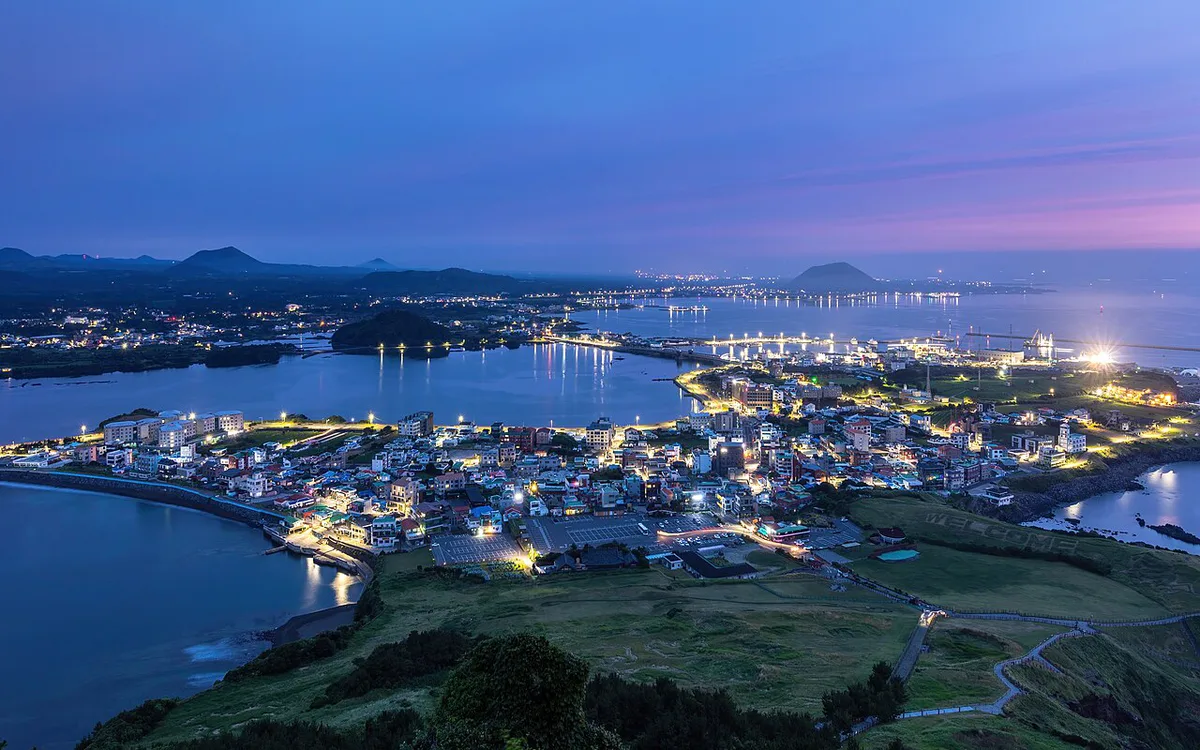
From Seoul, the KTX to Busan takes roughly 2.5 hours. Jeju is reached by flight, and Busan to Jeju is also possible by air. Ferry availability changes, so check the operator before building a plan around it. Busan's metro and buses cover most sights, and you can walk between many Nampo stops. Jagalchi Market is a 6 minute walk from Exit 2 of Nampo Station on Metro Line 1. Gukje Market is a 7 minute walk from Exit 7 of Jagalchi Station. Jeju is different. Hallasan, Seongsan Ilchulbong and the lava tubes are far apart, and buses and taxis make a full-island plan slow. Foreign drivers should confirm licence and International Driving Permit rules on the official Korean government pages. Readers weighing Seoul against Busan can start with our Seoul or Busan comparison.
Cost and Time Trade-Offs
Jeju's extra cost is transport. A rental car and fuel add ₩60,000–₩120,000 a day in our editorial estimate, while Busan's metro and buses stay far lower. Busan's main cost spike is beachfront hotels in peak summer. Food is cheap in both places if you eat at markets and soup counters. Travel time also counts. A Jeju trip loses part of a day to the flight each way. Busan from Seoul loses about 5 hours round trip on the KTX. Shorter trips favor Busan, since you spend less on transfers. Budget travelers should also factor in Busan's free sights. Igidae Coastal Trail and Dongbaek Island are both free.
Igidae costs nothing and its 4.7 km fills about a half day, while Jeju's rental car adds ₩60,000–₩120,000 a day.
Food and Nightlife
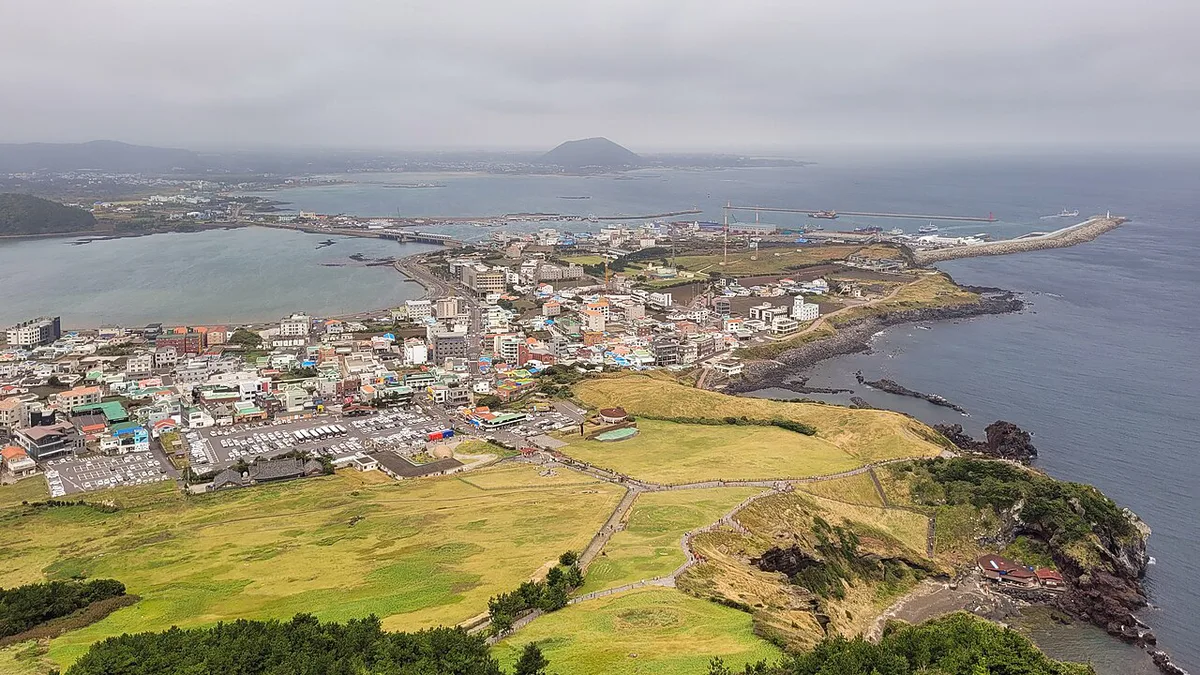
Busan's food runs through its port. Jagalchi Market is open 05:00–22:00 daily and closes on the 1st, 3rd and 5th Tuesdays. Gukje Market runs 09:00–20:00 and closes on Sundays. Dwaeji gukbap and milmyeon are the local staples to try. Seomyeon stays open late, and Samjung Tower there runs until 22:00 Monday to Thursday and 22:30 on Friday and Saturday. Gwangalli is the bar-and-bridge-view option, and our Haeundae and Gwangalli guide helps you pick a base. Jeju answers with black pork, haenyeo seafood and tangerine products. Evenings are calmer, and many restaurants close early, so plan dinner before the late evening.
Nature, Beaches and Hiking
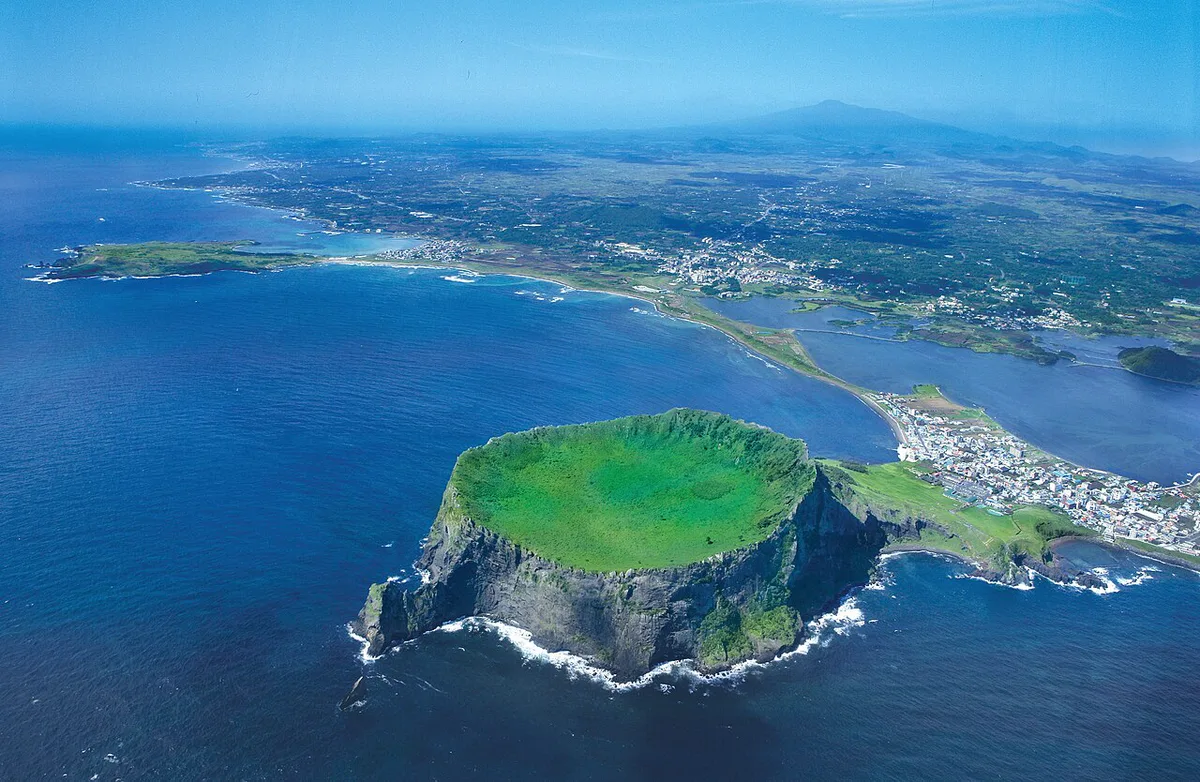
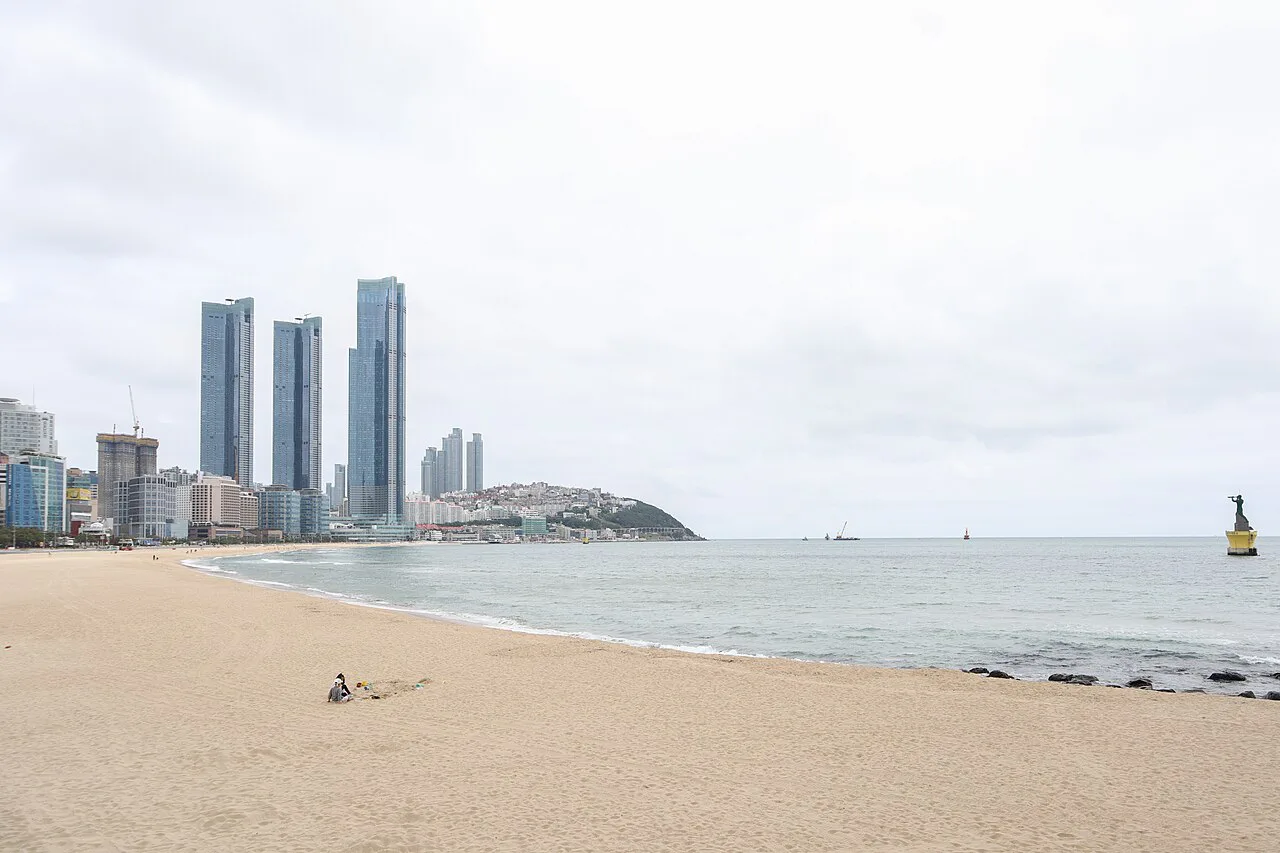
Jeju wins on scale. Hallasan rises to about 1,950 m, and the Olle trails run for roughly 437 km around the coast. Seongsan Ilchulbong and the lava tubes round out a driving-based itinerary. Check the official Jeju tourism site for current trail rules and reservations. Busan keeps its nature close to the city. Igidae Coastal Trail is 4.7 km and takes about 2.5 hours from Dongsaengmal Trail to Oryukdo Quay. Dongbaek Island has a walking path around it and camellias bloom there from winter to spring. Haedong Yonggungsa Temple is open 04:30–19:20 with last entry by 18:50, and entry is free. For city views, Hwangnyeongsan is 2.4 km, about 37 minutes on foot from Jeonpo Station Exit 8. Busan wins for beach-and-city days. Jeju suits slower beach stops between drives.
Best Time to Go
Spring and autumn are the safest windows for both. Summer brings heat, rain and typhoon risk, so keep plans flexible. Busan's beaches are busiest in peak summer. Jeju's winter days are shorter and quieter, and some outdoor plans may need a backup. Haeundae Blueline Park posted an extended evening operation notice on Oct 13, 2026 for the 21st Busan Fireworks Festival, so check event dates if you want festival nights. The Busan official guide lists current events.
Itineraries by Trip Length
Keep each plan short and anchored to a base.
Jagalchi runs 05:00–22:00 daily, so it can anchor the early part of Day 1, but Gukje is shut on Sundays.
- 3 days in Busan: Day 1 Jagalchi, Gukje Market and BIFF Square. Day 2 Haeundae, Dongbaek Island and Haedong Yonggungsa. Day 3 Igidae and Seomyeon.
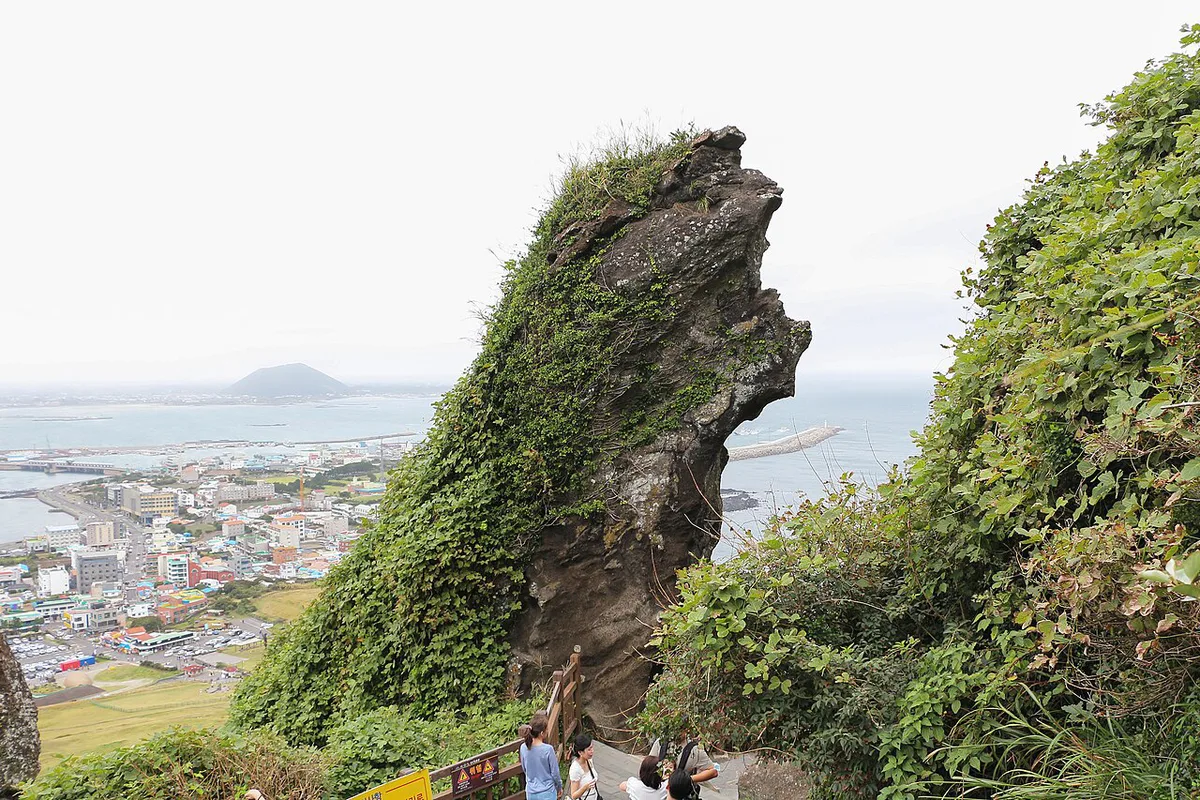
- 3 days on Jeju: Day 1 east coast and Seongsan Ilchulbong by car. Day 2 Hallasan trail. Day 3 coastal drive and haenyeo seafood.
- 5 to 6 days combined: 3 in Busan, fly to Jeju, then 2 or 3 on the island. Expect to lose half a day to the transfer.
Who Each Fits
First-timers and food-first travelers fit Busan. Hikers, photographers and couples who drive fit Jeju. Families with strollers will find Busan's metro easier, though stair-heavy sights need checking. Solo travelers without a licence are better off in Busan. If you want history without the island commitment, try Busan and Gyeongju together. Travelers planning Japan too can compare Busan against Fukuoka.
Mistakes to Avoid
Most regrets come from mismatched expectations.
- Planning an all-island Jeju route without a car.
- Expecting Busan-style nightlife on Jeju.
- Visiting Busan beaches out of season and expecting swimming weather.
- Arriving at Jagalchi on the 1st, 3rd or 5th Tuesday.
- Skipping rain backups in summer.
Frequently Asked Questions
Which is the best city to visit in Korea?
It depends on your trip. Busan suits food, markets and beaches in one city. Seoul suits a first, broad introduction.
Why is Jeju so special?
Jeju is a volcanic island with Hallasan at its center. It also offers lava tubes, coastal Olle trails and haenyeo seafood. The Korea tourism site has an overview.
Is Busan in North or South Korea?
Busan is in South Korea. It is the country's major port city and a common second stop after Seoul.
Notes for your Korea trip
Optional updates to our city guides.
You might also like
Continue reading
More guides you'll find useful